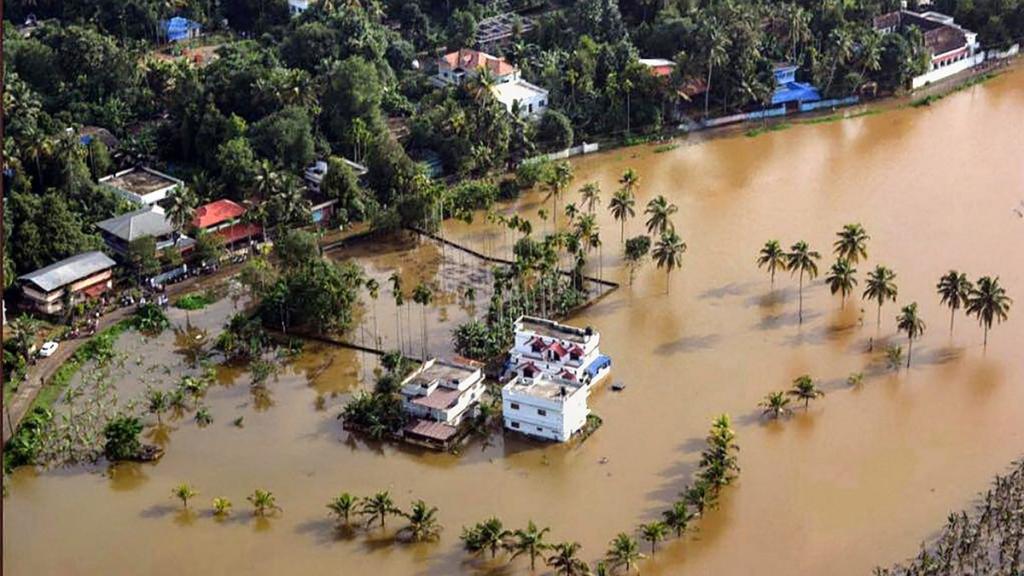
The average temperature of the planet might reach devastating amounts when the fossil fuel is burned at the present pace. Climate change will cause rainfall patterns to be changed, glaciers to melt away, droughts, sea levels to rise, islands and coastal wetlands to disappear, and floods will be more frequent due to a 3-8 degrees C; warmer world than it used to be before the Industrial Age. COVID-19, had it not been a direct consequence of climate change, is one of the primary reasons behind deforestation. Global warming is a menace on the security and existence of all persons, although it will not affect all countries similarly. Most countries will be deprived of a great proportion of their land and large cities, and certain countries (island) countries may entirely disappear. Climate change will also tend to exacerbate political instability, the migration crisis, and intrastate violence alongside greater military spending to fix or repair the already damaged infrastructure.
Drowning Coastline: The Emergency of the rising seas
Raise in the sea level is another significant impact of climate change which has far reaching consequences to diplomacy and international security. Due to the melting of polar ice caps and glaciers and the thermal expansion of sea water, the world faces the danger of flooding of the coastlines. The increase of the sea level might cause displacement of people that live in low-lying regions. Displaced individuals could become climate refugees, people or groups of people that are forced to leave their homes due to the impact of climate change. This cross-border migration can put a strain on the infrastructure and resources of the receiving countries and this might lead to diplomatic problems.
Moreover, some precious land will be lost especially what was of strategic significance in military and economically. Critical ports, industrial areas, and other infrastructures to national economies are often located in coastal areas. This loss of land can lead to land grabbing of the remaining land and the economic impact of it can be a lot.
Extreme Weather Escalation and its Socio-economic Implications
The second important way in which climate change affects international security and diplomacy is that it leads to heightened and frequency of extreme weather. The occurrence of extreme weather phenomenon like heat waves, hurricanes and floods is becoming common and more severe due to the rise in global temperatures. These incidents are catastrophic to the economies, infrastructure and the society. Damage of infrastructure may place a burden on the national disaster response systems and may require massive funding and international cooperation to undertake effective relief and recovery activities.
Serious weather disasters can also influence the financial side of international relations. Countries that are hit the hardest by such events, can suffer very hard economically, rendering them incapable of engaging in international treaties or maintaining diplomatic relations. The necessity to receive international assistance and support may lead to increased diplomatic contacts and even the confrontation over the conditions of support or even the allocation of aid.
Climate Change Strategic and Military Challenges notion
The ice melting in the arctic not only opens new shipping routes, but it also gives access to the natural resources that had never been exploited before like oil and gas. This has increased interest in the other countries, both Arctic and non-Arctic.
Extreme weather conditions and alterations in climatic patterns can affect the durability and functionality of the military infrastructure. Examples include increased sea levels and more powerful storms which can damage military installations and equipment disrupting operations and fielding of forces. In response to these new challenges, countries might have to change their military operating methods and layout that possibly affects the diplomatic ties, and the general international security.
The Reality of Climate Agreements
International diplomacy is increasingly focusing on the issues that climate change brings on board. Countries are engaging in several international agreements to reduce impacts of the climate change. The Paris Agreement is one of the key international programs used to reduce the speed of global warming as well as reduce greenhouse gas emissions. These agreements manifest the mutual interest of the countries in addressing the problems of climate and contain complex negotiations and collaboration.
Furthermore, it also has its links to the more broad global goals such as poverty reduction and sustainable development. It is a normal aspect of diplomacy to strike the balance between these goals and national interests as well as economic interests. As an example, countries are forced to strike a balance between the environmental sustainability and economic growth. This balancing exercise may affect international relations as countries struggle to align their policies with international commitments and at the same time cater to the local agendas.This balancing game can influence the international relations because nations are finding it difficult to balance their policies with international commitments and at any time fit the local agendas.
Climate Change as a Cause of Disagreement and Insecurity
This scarcity of resources and environmental injustice may result into conflict as one of the methods of promoting previous existing political and economic tensions. To illustrate, competition over scarce food or water resources may exacerbate the regional conflicts or create new ones. Moreover, there is a possible domestic instability in the countries with which climate change affects significantly and this could have local and global consequences.
The international strategies towards instability induced by climate change may vary; some countries may opt to help and intervene whereas other countries may be pressurized to provide solutions to the causes of the instability. The need to have international concerted effort in curbing and reducing the security threat posed by climate change highlights the importance of diplomacy in the endeavor to overcome these challenging impediments.
Economic Consequences and Trading
The impact of climate change on the global economy is enormous as it affects the dynamic of trade and economic stability. The supply chains may be disrupted by extreme weather patterns and alterations in climate conditions, which may also damage the infrastructure as well as production in major sectors like agriculture and fisheries. Such disturbances might result in higher prices and economic instability affecting national economies as well as the global trade relations.
Countries could react by modifying trade policies, finding new trade partners or investing in climate resistant infrastructure. On the diplomatic front, this may result in new economic coalitions or trade wars as countries find their way around the economic burden of climate change. The necessity of international economic collaboration and trade agreements comes in play when dealing with these effects and how to make the global economy stable.
Energy Security and Transitior
The shift to renewable sources of energy is not only a challenge but an opportunity as regards climate change. Nations are also allocating more funds towards renewable energy as a way of mitigating on the emission of greenhouse gases and also to improve their energy security. Nevertheless, this move can also produce geopolitical changes, because the world oil giants can experience economic and political difficulties.
This is important as energy security is an issue that countries are striving to have their own sources of energy, as well as less reliance on imported fossil fuels, which cannot be achieved without coordination and cooperation among the countries aiming to assist clean energy technologies to develop, and to counteract the economic effects of the fossil fuel-dependent countries. The transition towards low-carbon economy also requires international treaties and policies to be able to achieve a fair and equitable energy transition.
Conclusion: Standing at the Point of No Return
One important realization that arises from the Anthropocene notion is that political stability is now required to slow climate change. The previous belief that mankind only responds to external climate shocks is no longer valid; climate is now a matter affected by human actions. One of the main challenges today is creating international organizations that are stable and have enough general legitimacy to properly control climate issues. This is a difficult undertaking because many industrialized states have failed to take their obligations in this area seriously. Although the “responsibility for protecting” principle has not yet been successfully implemented in many locations, they now appear to be crucial to climate governance given the speed at which climate change is occurring. Security is now about properly shaping the human context; we can no longer presume that there is an external world out there that provides the background for human life.
Similarly, the Anthropocene implies that political agreements that attempt to isolate parts of the world and shield it from more extensive disruptions are, at most, temporary solutions and won’t help with the larger-scale choices that are desperately needed to coordinate climate action. In fact, unilateral actions are likely to make a lot of things more difficult, even if they provide concerned citizens with momentarily popular solutions. Concepts of sovereignty need to be updated in terms of political stability, not only for the residents of island governments that will soon be under water.
The biospheric processes that influence the climate system and numerous other ecological issues that directly impact humanity are increasingly influenced by human activity. Civilizational collapse looms as the worst-case scenario, but it doesn’t have to happen if knowledgeable politicians interested in long-term political stability apply the lessons learned from earlier historical episodes where societies failed to adapt in time to dangerous circumstances (Diamond 2005). Nothing less is necessary to take seriously the Anthropocene formulation, which holds that industrial humankind is currently the planet’s dominant geomorphic force and will be defining the air’s composition for centuries to come.
By: Hanishree Vichare
Write and Win: Participate in Creative writing Contest & International Essay Contest and win fabulous prizes.
About the Author