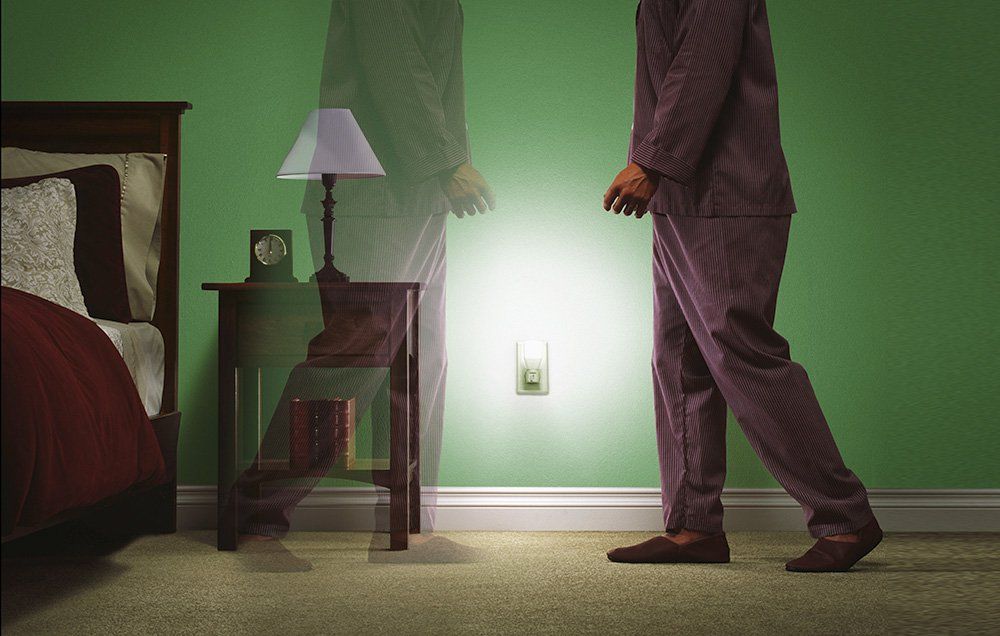
Do you find yourself making frequent trips to the bathroom during the night, disrupting your sleep? The medical term “nocturia” describes urination that interrupts sleep two or more times nightly, distinguishing it from occasional nighttime bathroom visits. Your bladder normally produces less urine during sleep through antidiuretic hormone (ADH) release, allowing 6–8 hours of uninterrupted rest.
If you frequently wake to urinate, consulting a top urologist in Singapore can help determine whether the cause is benign or linked to an underlying urological or medical condition. Early assessment ensures appropriate treatment and prevents long-term complications from undiagnosed issues such as prostate enlargement, overactive bladder, or sleep apnea, thereby supporting better patient outcomes through understanding prostate health.
Nocturia affects sleep architecture by disrupting deep sleep phases important for physical restoration and memory consolidation. The condition often creates a cycle where poor sleep leads to daytime fatigue, which then affects bladder control mechanisms.
Normal Bladder Function During Sleep
Your kidneys reduce urine production during sleep through increased ADH secretion, concentrating urine to minimize nighttime bladder filling. The bladder itself increases storage capacity at night through reduced muscle contractions and decreased nerve sensitivity. This dual mechanism allows most adults to sleep through the night without urination.
Circadian rhythms regulate these processes, with ADH levels naturally rising around 8 PM and remaining elevated until morning. The bladder’s stretch receptors become less sensitive during deep sleep stages, requiring greater volumes before triggering the urge to urinate. Age gradually reduces ADH production efficiency, explaining why nighttime urination frequency often increases with aging.
Normal bladder capacity ranges from 400–600ml during the day, expanding to 600–800ml at night in healthy adults. When functioning properly, this system ensures that the urine produced during sleep doesn’t trigger awakening.
Causes of Nighttime Urination
Urological Conditions
Benign prostatic hyperplasia (BPH) causes the prostate gland to compress the urethra, preventing complete bladder emptying. The residual urine means less storage capacity for nighttime production, triggering frequent awakening. Prostate enlargement typically begins after age 40, with urethral compression worsening gradually over years.
When these symptoms become severe, lifestyle changes and medications may no longer provide enough relief. In such cases, surgical options are often considered to clear the blockage and restore normal urinary flow. A modern approach is prostate laser surgery, which uses targeted laser energy to vaporize the excess tissue. This procedure is minimally invasive and helps patients recover quickly with fewer side effects than traditional surgery. Over time, removing this tissue allows the bladder to empty fully and helps resolve chronic sleep disruptions.
Medical Conditions
Diabetes causes elevated blood glucose levels that exceed the kidney’s reabsorption capacity, pulling excess water into urine. This osmotic diuresis produces large urine volumes that overwhelm normal nighttime concentration mechanisms.
Heart failure leads to fluid accumulation in the legs during daytime standing, which redistributes to the bloodstream when lying flat. The kidneys then process this excess fluid, producing increased urine volumes during sleep hours.
Sleep apnea disrupts ADH production through repeated oxygen desaturation episodes, reducing the hormone’s urine-concentrating effects.
Chronic kidney disease impairs the kidneys’ concentrating ability, producing larger volumes of dilute urine throughout 24 hours.
Lifestyle Factors
Consuming fluids within 2 hours of bedtime directly increases nighttime urine production, as the kidneys process this intake during sleep. Alcohol suppresses ADH release, preventing normal urine concentration. Coffee and tea consumed in the afternoon can increase urine production through their diuretic effects.
Medications including diuretics, calcium channel blockers, and lithium alter kidney function or fluid balance, increasing nighttime urination. Loop diuretics taken in the evening affect nighttime urine volumes, while some antidepressants reduce bladder capacity.
Warning Signs That Require Medical Attention
- Blood in urine (visible or microscopic)
- Burning or pain during urination
- Sudden onset of frequent nighttime urination
- Complete inability to urinate (acute urinary retention)
- Fever accompanying urinary symptoms
These may indicate infection, obstruction, or malignancy and require immediate medical evaluation.
Diagnostic Approaches
Initial Assessment
A bladder diary documenting fluid intake, urination times, and volumes over three days provides valuable data. Urinalysis screens for infection, blood, protein, and glucose. Post-void residual ultrasound measures remaining bladder volume after urination, identifying incomplete emptying.
Advanced Testing
Urodynamic studies measure bladder pressure and muscle function.
Cystoscopy allows direct visualization of the bladder to detect stones, tumors, or inflammation.
PSA testing screens for prostate abnormalities in men over 50.
Treatment Options
Conservative Management
- Restrict fluids 2 hours before bed
- Avoid caffeine and alcohol in the evening
- Try double voiding before sleep
- Elevate legs before bedtime to redistribute fluid
Medical Treatments
- Alpha-blockers (e.g., tamsulosin): relax prostate muscles to improve flow.
- Anticholinergics or beta-3 agonists: control overactive bladder symptoms.
- Desmopressin: reduces nighttime urine production by mimicking ADH.
Surgical Interventions
- TURP or prostate laser surgery for obstruction relief.
- Bladder Botox injections for overactive bladder control.
Conclusion
Simple lifestyle changes often help, but persistent nocturia can signal deeper medical issues requiring specialized care. If nighttime urination disrupts your rest, consult a top urologist in Singapore for a comprehensive evaluation and treatment plan tailored to your needs.
Write and Win: Participate in Creative writing Contest & International Essay Contest and win fabulous prizes.
About the Author