Dandruff vs Scalp Psoriasis
Can thick, silvery scales on your scalp signal something more serious than dandruff? Some cases that seem like stubborn dandruff may actually be scalp psoriasis treatment Singapore price — a chronic autoimmune condition that often requires medical attention. The cost of treatment varies depending on factors such as severity, chosen therapy, and frequency of follow-up visits. Getting a professional diagnosis early helps ensure the most effective and cost-efficient treatment plan.
Scalp psoriasis produces symptoms that many mistake for common dandruff, leading to months or years of ineffective treatment. The distinction between these conditions determines whether over-the-counter shampoos will help or if you need prescription medications.
Scalp psoriasis occurs when your immune system triggers rapid skin cell production, creating thick, silvery scales that extend beyond the hairline. Unlike dandruff, which results from fungal overgrowth or dry skin, psoriasis involves deeper inflammatory processes that require targeted medical intervention.
Visual and Physical Differences
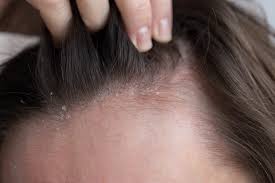
Dandruff produces fine, white or yellowish flakes that fall easily from the scalp when touched or brushed. These flakes appear uniform in size and texture, resembling dry skin particles. The scalp underneath shows mild redness or no visible changes at all. Itching remains mild to moderate and improves with regular shampooing.
Scalp psoriasis creates thick, silvery-white scales that adhere firmly to the scalp and hair shafts. These scales form defined patches with clear borders, often appearing as raised plaques. The skin beneath shows bright red inflammation, and removing scales may cause pinpoint bleeding known as the Auspitz sign. The scales extend beyond the hairline onto the forehead, neck, and behind the ears—areas dandruff rarely affects.
The texture differences become apparent when you run your fingers through your hair. Dandruff feels like loose powder that disperses easily. Psoriasis scales feel like rough, adherent patches that resist removal—some describe it as running fingers over dried candle wax or tree bark.
💡 Did You Know?
Scalp psoriasis scales contain a protein called psoriasin, which gives them their characteristic silvery appearance and helps dermatologists distinguish them from other scalp conditions under microscopic examination.
Triggers and Causes
Dandruff
Dandruff arises from an overgrowth of Malassezia yeast, which feeds on scalp oils and triggers irritation. Other contributing factors include cold weather, stress, infrequent shampooing, and harsh hair products. Oily scalps and hormonal fluctuations may worsen symptoms.
Scalp Psoriasis
In contrast, scalp psoriasis is an autoimmune disorder in which the immune system mistakenly accelerates skin cell turnover. Triggers include genetic predisposition, stress, infections, certain medications (like beta blockers and lithium), and skin injury. Even chemical treatments like hair dye or relaxers can irritate the scalp and trigger psoriasis flares through a process known as the Koebner response.
Associated Symptoms Beyond the Scalp
Dandruff usually stays confined to the scalp. Psoriasis, however, can appear on elbows, knees, nails, and the back. If you notice thickened, pitted nails or red, scaly plaques elsewhere on your body, it’s likely psoriasis rather than dandruff.
Psoriasis can also cause itching severe enough to disturb sleep or daily functioning. Some patients experience soreness or tightness in affected areas, which rarely happens with dandruff.
Diagnostic Methods by Dermatologists
When over-the-counter treatments fail, diagnostic evaluation by a dermatologist becomes crucial.
Dermatologists differentiate the two conditions through visual inspection, dermoscopy, and sometimes skin biopsy. Under magnification, psoriasis plaques show tightly packed scales with uniform distribution, while dandruff presents loosely adherent flakes and oily residue.
A biopsy, if performed, reveals thickened epidermal layers and immune cell infiltration in psoriasis, confirming diagnosis.
Treatment Options
Dandruff
Treatment focuses on reducing fungal overgrowth and inflammation. Medicated shampoos containing zinc pyrithione, selenium sulfide, or ketoconazole are first-line options. Regular scalp cleansing and minimizing styling products help maintain results. Most cases respond well within a few weeks.
Scalp Psoriasis
Psoriasis treatment requires targeted medical therapy. Mild cases respond to topical corticosteroids, vitamin D analogues (calcipotriol), or combination formulations. Moderate to severe cases may require phototherapy, oral immunomodulators (methotrexate, cyclosporine), or biologic injections targeting specific inflammatory pathways.
Consistent follow-up ensures flare control while minimizing side effects.
How Much Does Scalp Psoriasis Treatment Cost in Singapore?
In Singapore, scalp psoriasis treatment costs typically range from $80–$150 for initial consultations and $30–$100 for prescription topical medications. Phototherapy sessions may cost around $60–$120 per session, while biologic injections for severe cases can range from $1,000–$3,000 per month, depending on the medication used.
The best approach is to discuss a personalized plan with your dermatologist, as costs vary by treatment complexity and frequency of follow-up.
When to See a Doctor
You should see a dermatologist if:
- The flaking persists despite using anti-dandruff shampoo for more than a month.
- The itching becomes intense or painful.
- You notice bleeding when removing flakes.
- The condition extends beyond the scalp.
Early diagnosis prevents unnecessary discomfort and helps manage symptoms effectively with the right treatment.
Key Takeaway
While dandruff is a common nuisance, scalp psoriasis is a chronic inflammatory disease requiring specialized care. Recognizing the signs early can save you from prolonged irritation and ineffective treatments. If you suspect psoriasis, consult a dermatologist for accurate diagnosis and a tailored management plan — the first step toward clearer, healthier scalp skin.
Write and Win: Participate in Creative writing Contest & International Essay Contest and win fabulous prizes.
About the Author