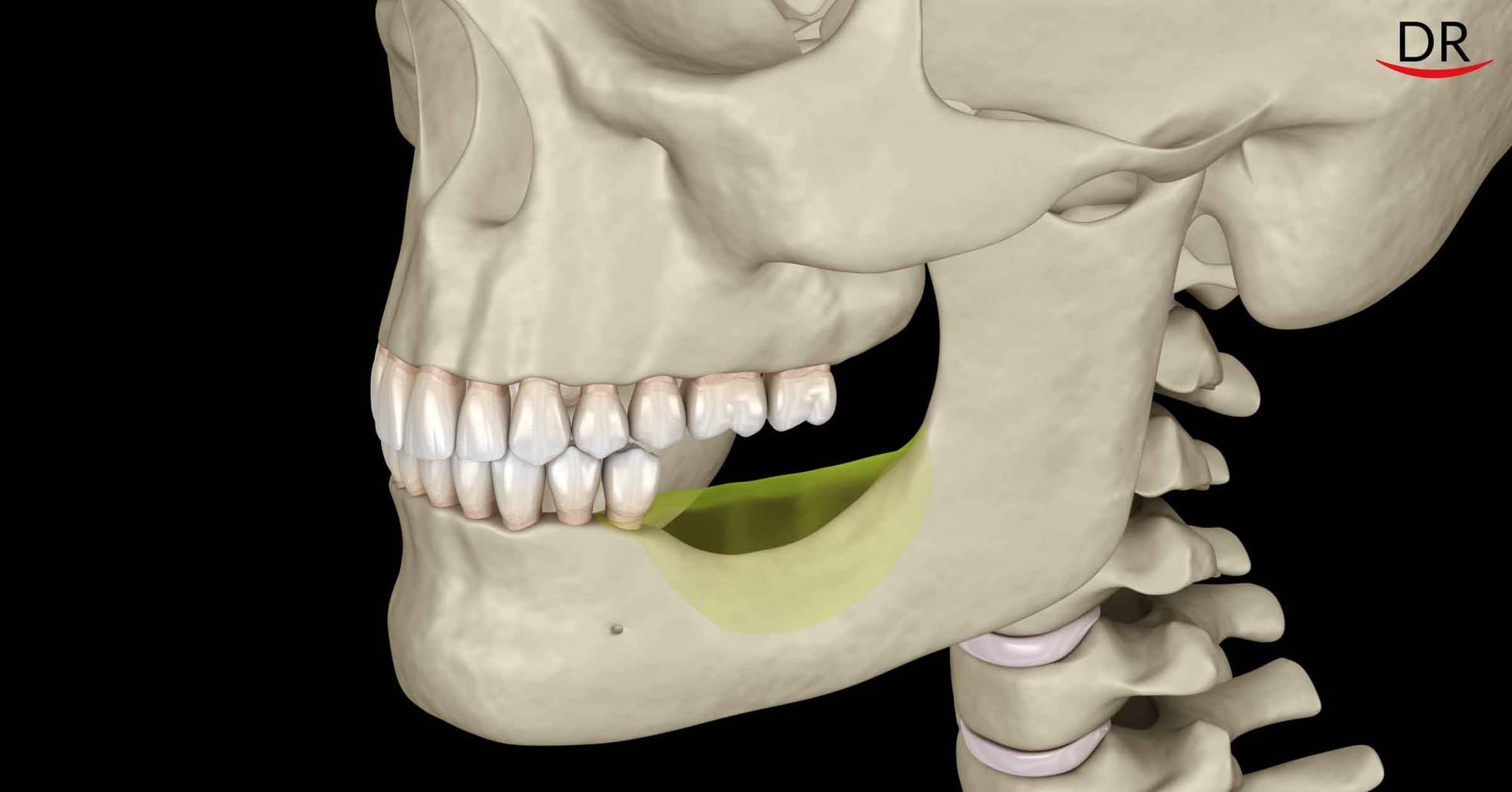
The alveolar ridge, the curved jawbone that holds your teeth, is essential for maintaining facial structure and youthful appearance. A healthy ridge supports natural contours, while its deterioration can lead to a sunken, aged look. Preserving this structure is key to both dental health and facial aesthetics.
How the Alveolar Ridge Supports Your Facial Structure
Your alveolar ridge serves as much more than just a home for your teeth. This bony structure acts as the architectural foundation for your entire lower face, influencing everything from your lip position to your cheek fullness.
The ridge provides crucial support for your facial soft tissues. Your lips rest against your teeth, which are anchored in the alveolar ridge. When this ridge is full and healthy, it pushes your lips outward slightly, creating natural volume and definition. Similarly, the ridge helps maintain the vertical dimension of your face—the distance between your nose and chin.
The Ripple Effect on Facial Features
When your alveolar ridge is intact, it creates a chain of support that affects multiple facial features simultaneously. Your cheeks receive indirect support through the positioning of your teeth and the fullness of the ridge. This support helps prevent the hollow, sunken look that can develop when the ridge deteriorates.
The ridge also influences your smile aesthetics. A well-preserved alveolar ridge ensures that your teeth are positioned correctly, creating an attractive smile line and proper lip support during both rest and animation, reducing the anatomical strain that typically leads patients to seek dermal fillers smile lines.
How Dental Procedures Affect the Alveolar Ridge
Various dental procedures can significantly impact your alveolar ridge, some positively and others negatively. Understanding these effects is crucial for anyone considering dental treatment. Tooth Extraction and Ridge Resorption
When a tooth is extracted, the immediate response of your body is to begin remodeling the alveolar ridge. Without the tooth root to stimulate the bone, your body perceives the bone in that area as unnecessary and begins to resorb it. This process, called alveolar ridge resorption, can begin within weeks of tooth extraction.
The resorption typically reduces both the height and width of the ridge. Studies show that patients can lose up to 25% of their ridge width within the first year after extraction, with continued bone loss occurring over time.
The Impact of Dentures
Traditional dentures, while replacing the visible portion of missing teeth, cannot prevent alveolar ridge resorption. In fact, ill-fitting dentures can accelerate bone loss by creating uneven pressure on the ridge. Over time, this leads to the characteristic sunken facial appearance often associated with denture wearers.
Dental Implants as Ridge Preservers
Dental implants represent a significant advancement in preserving alveolar ridge integrity. Because implants are placed directly into the jawbone, they provide the stimulation that natural tooth roots once provided. This stimulation helps maintain bone density and prevents the resorption that typically follows tooth loss.
The Aesthetic Impact of Alveolar Ridge Resorption
The loss of alveolar ridge volume creates a cascade of aesthetic changes that can dramatically alter your facial appearance. These changes often occur gradually, making them less noticeable day-to-day, but the cumulative effect can be striking.
Lip Changes and Smile Impact
As the alveolar ridge resorbs, your lips lose their natural support. This causes them to appear thinner and creates vertical wrinkles around the mouth, commonly called “smoker’s lines” even in non-smokers. The corners of your mouth may begin to turn downward, creating a perpetually sad or stern expression.
Your smile line also changes as the ridge diminishes. Teeth may appear longer due to gum recession, or if you wear dentures, they may not provide adequate lip support for a natural-looking smile.
Facial Height and Profile Changes
Ridge resorption affects your facial proportions by reducing the vertical dimension of your lower face. This makes your nose appear larger relative to other features and can create a more aged appearance. Your chin may seem to project more prominently, and the angle between your chin and neck can become less defined.
Cheek Support and Facial Fullness
The loss of alveolar ridge volume contributes to a loss of cheek fullness. While the ridge doesn’t directly support your cheeks, the overall reduction in facial structure affects how soft tissues drape over your facial skeleton. This can result in a gaunt or hollow appearance that adds years to your appearance.
Treatments to Preserve or Restore the Alveolar Ridge
Fortunately, modern dentistry offers several approaches to preserve existing alveolar ridge or restore lost bone volume. The key is early intervention and choosing the right treatment for your specific situation.
Ridge Preservation Techniques
When tooth extraction is unavoidable, ridge preservation procedures can minimize bone loss. These techniques involve placing bone grafting material in the extraction socket immediately after removing the tooth. This provides a scaffold for your natural bone to regenerate and helps maintain ridge dimensions.
Socket grafting is typically performed at the time of extraction and can reduce bone loss by up to 60% compared to extraction alone. The procedure is minimally invasive and significantly improves outcomes for future tooth replacement options.
Ridge Augmentation Procedures
For patients who have already experienced significant ridge resorption, ridge augmentation procedures can restore lost bone volume. These procedures use various grafting materials—your own bone, donor bone, or synthetic materials—to rebuild the ridge to its original dimensions.
Ridge augmentation is particularly important for patients considering dental implants, as adequate bone volume is essential for successful implant placement and long-term stability.
Modern Implant Solutions
Today’s dental implant technology offers solutions even for patients with compromised alveolar ridges. Techniques like All-on-4 implants can often be placed even when some bone loss has occurred, providing both tooth replacement and facial support.
For those seeking more affordable dental implants like those in New Market, VA, it’s important to choose providers who understand the relationship between implant placement and facial aesthetics. Properly planned implant treatment can restore not just function but also the facial support that maintains your youthful appearance.
Conclusion
The alveolar ridge is essential for maintaining facial aesthetics, supporting lips, and preserving facial proportions. Protecting it through preventive care, ridge preservation, or restorative treatments helps maintain a youthful appearance. Partnering with dental professionals ensures both oral health and long-term facial aesthetics.
Write and Win: Participate in Creative writing Contest & International Essay Contest and win fabulous prizes.
About the Author