Radiation
Nothing beats the sleek, polished shine of a perfectly applied clear coat, and aerosol clear coat sprays make it easier than ever to achieve that professional-grade finish. Whether you’re a weekend DIYer sprucing up a vintage chair, a hobbyist perfecting a model car, or a pro looking for a quick solution, clear coat aerosol cans are your ticket to a durable, glossy look. As someone who’s spent countless hours testing and tinkering with these products, I’m here to share practical know-how, insider tips, and answers to common questions about clear coat Aerosol Can products. This guide is crafted for anyone eager to master clear coat sprays and for businesses aiming to source reliable aerosol cans to meet customer demand. Let’s dive in and uncover how to make your projects pop with a flawless finish!
What Makes Aerosol Clear Coat Special?
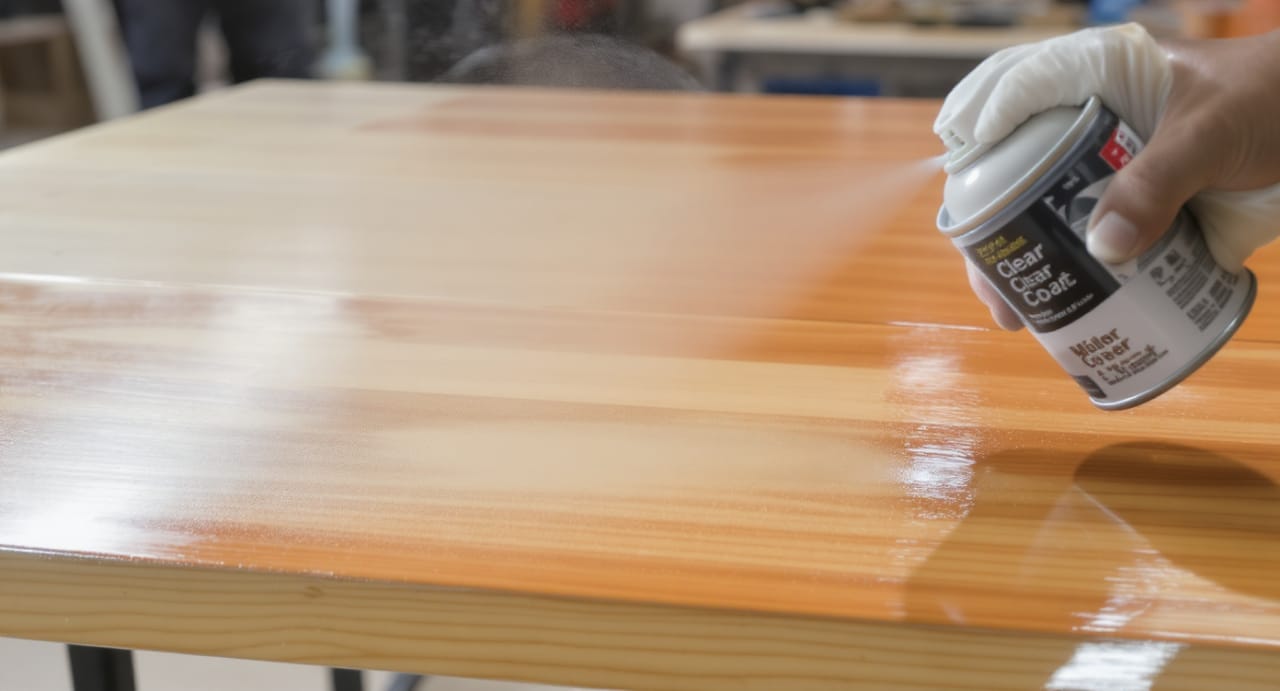
Clear coat aerosol cans are a lifesaver for anyone wanting to protect and enhance surfaces without the hassle of brushes or rollers. These cans deliver a transparent, protective layer that shields against scratches, UV damage, and moisture while adding a glossy or satin sheen. What sets them apart? Convenience, speed, and precision. Unlike traditional coatings, aerosol cans let you apply an even layer in minutes, with drying times that keep your project moving.
Quick Tip: For a mirror-like finish, lightly sand the surface with 800-grit sandpaper between coats. It smooths out imperfections and helps the next layer adhere like a dream.
From my years as a user and evaluator, I’ve found that the best clear coat aerosol cans balance durability with ease of use. They’re versatile enough for metal, wood, plastic, and even some ceramics, making them a must-have for any toolbox. For businesses, offering high-quality aerosol cans ensures customers get consistent results, boosting your reputation in the market.
The Science Behind Aerosol Can Performance
At the core of every clear coat spray is the humble Aerosol Can, a nifty piece of tech that makes application a breeze. These cans use a propellant to atomize the clear coat into a fine mist, ensuring smooth, even coverage. The real magic happens with the aerosol valve, which controls the spray pattern and flow. A high-quality valve means less clogging and more consistent pressure, which is critical for professional results.
Secret Trick: If you’re tackling a large project, try a fan-spray nozzle for broader coverage. These nozzles, often available as accessories, spread the clear coat evenly over wide surfaces, saving time and reducing waste.
For businesses sourcing aerosol cans, valve quality is non-negotiable. A reliable supplier can provide cans with precision-engineered valves that meet high-volume production needs. This ensures your clear coat products perform flawlessly, whether for automotive touch-ups or furniture refinishing.
Picking the Perfect Clear Coat Aerosol Can
Choosing the right clear coat aerosol can can feel overwhelming, but a few key factors make the decision easier. Here’s what I look for as a consumer and tester:
- Finish Options: Glossy finishes give a bold, reflective shine, while satin or matte options offer a softer look. Pick based on your project’s vibe.
- Curing Time: Fast-drying formulas are great for quick jobs, but slower-curing ones often provide tougher protection.
- UV and Weather Resistance: For outdoor projects, choose cans labeled as UV-resistant to prevent yellowing or fading.
- Spray Control: Look for cans with adjustable nozzles for flexibility in spray patterns.
Insider Hack: Before spraying, warm the aerosol can in lukewarm water (not hot!) for a few minutes. This improves propellant flow, giving you a smoother, more consistent spray.
Businesses should prioritize suppliers who offer customizable aerosol cans—think different sizes or valve types—to cater to diverse customer needs. A steady supply of high-quality cans keeps your production line humming and your customers satisfied.
Where to Use Clear Coat Aerosol Cans
Clear coat aerosol cans are incredibly versatile, and I’ve used them on projects ranging from patio furniture to custom skateboards. Here are some top applications:
- Automotive Parts: Protects paint and adds a glossy finish to bumpers, rims, or dashboards.
- Home Décor: Seals painted or stained wood to prevent wear and tear.
- DIY Crafts: Adds a protective layer to sculptures, signs, or mixed-media art.
- Metal Surfaces: Prevents rust on tools, gates, or outdoor fixtures.
Pro Secret: For intricate projects like model kits, use short bursts of spray from a distance of 10-12 inches. This prevents pooling and keeps fine details crisp.
For companies selling clear coat products, highlighting these uses in marketing materials or tutorials can help customers see the value. Offering application guides can also set your product apart in a crowded market.
Mastering Application Techniques
Achieving a high-gloss finish with a clear coat aerosol can takes a bit of finesse, but these tips from my own trial-and-error will get you there:
- Prep Like a Pro: Clean the surface thoroughly and sand lightly to ensure the clear coat sticks properly.
- Test the Spray: Do a quick test spray on scrap material to check the flow and avoid surprises.
- Keep Moving: Use sweeping motions to avoid heavy buildup, which can cause drips or uneven texture.
- Work in Good Conditions: Avoid spraying in high humidity or extreme heat to prevent clouding or bubbling.
Hidden Gem: If you’re working in a dusty environment, set up a makeshift spray booth with cardboard or plastic sheeting. It keeps debris from sticking to your wet clear coat, saving you from a gritty finish.
Businesses can add value by including application tips on product labels or websites, helping users avoid common mistakes and achieve stunning results.
Troubleshooting Common Issues
Even experienced users hit snags with clear coat aerosol cans. Here are some issues I’ve run into and how to fix them:
- Bubbling: Often caused by trapped moisture or spraying too thickly. Ensure the surface is dry and apply thin coats.
- Uneven Finish: This happens when you spray too close or too fast. Keep the can 8-12 inches away and move steadily.
- Clogged Valves: Clear the nozzle after each use by spraying upside down until only gas comes out.
Suppliers can support customers by providing troubleshooting guides, ensuring users get the most out of their aerosol cans.
FAQs About Clear Coat Aerosol Cans
Here are answers to 10 common questions about clear coat aerosol cans, drawn from my experience and industry knowledge:
- Can I use clear coat aerosol cans on plastic?
Yes, but check the label for plastic compatibility. A primer may be needed for slick surfaces. - How long does a clear coat last?
With proper application, a quality clear coat can last years, especially UV-resistant ones used outdoors. - Why is my finish sticky?
Sticky finishes often result from thick layers or incomplete curing. Apply thinner coats and allow full drying time. - Can I paint over a clear coat?
Yes, but sand the surface lightly to create a grip for the new paint. - How do I avoid drips?
Use light, even sprays and keep the can moving. If drips occur, sand them out and reapply. - Are aerosol valves durable enough for heavy use?
High-quality valves from reliable suppliers ensure consistent performance, even for frequent users. Businesses should source from trusted manufacturers to meet demand. - Can I use clear coat in cold weather?
It’s trickier—cold temps can slow drying and affect adhesion. Work in a warm, dry space if possible. - How many coats should I apply?
Two to three thin coats, spaced 5-10 minutes apart, provide the best durability and shine. - What’s the best way to store aerosol cans?
Keep them upright in a cool, dry place below 120°F to maintain pressure and prevent leaks. - Why does my clear coat crack?
Cracking can occur if the base coat isn’t fully cured or if incompatible products are used. Always test compatibility first.
Wrapping It Up
Clear coat aerosol cans are a fantastic way to achieve a high-gloss, durable finish with minimal fuss. Whether you’re a DIY enthusiast or a business supplying these products, understanding the nuances of aerosol cans—from valve performance to application techniques—can make all the difference. By choosing quality cans and mastering a few simple tricks, you can elevate your projects and keep customers coming back for more. For businesses, partnering with a reliable supplier ensures a steady flow of top-tier aerosol cans, setting your products apart in a competitive market.
So, pick up a clear coat Aerosol Can, try these tips, and watch your projects gleam! If you’re sourcing for your business, connect with trusted manufacturers to ensure your clear coat products shine as brightly as your customers’ creations.
Write and Win: Participate in Creative writing Contest & International Essay Contest and win fabulous prizes.
About the Author