Plumbing
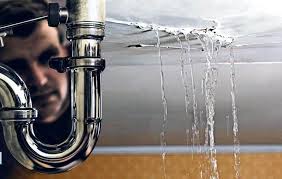
When a surprise plumbing emergency happens, panic sets in. A burst pipe in the dead of night, a flooded basement following a storm, or an overflowing toilet that just won’t quit can easily turn from a small annoyance into a full-blown catastrophe. While contacting a professional plumber in Ellicott City, MD, is necessary in most situations, knowing how to manage the problem until help arrives can save you time, money, and stress.With proper tips discussed here, you can reduce damage and restore order until permanent measures are in effect:
1. Turn Off the Water Immediately
The initial response to any plumbing crisis is to cut off the water supply. Locate the shut-off valve for sinks or toilets under or behind the appliance. If you are dealing with a cracked pipe or are unsure of the leak’s origin, turn off the main water shut-off valve to completely cut off the supply. This will keep gallons of water from resulting in expensive structural damage or mold. After turning off the water, evaluate the situation peacefully and observe the areas that are already moist.
2. Control and Contain the Leak
After shutting off the water, it’s now time to contain the leak. Catch dripping water using towels, buckets, or even pots, and avoid spreading. If the leak is due to a pipe joint or tiny crack, there are various options for a temporary repair with plumber’s tape or epoxy putty. Never use duct tape or improvised materials that may aggravate the situation in the long run. Containment not just protects against additional harm but also allows professionals a neater, better place to work when they come. It’s damage control and establishing a safe, workable space.
3. Turn Off the Water Heater Properly
In the case of a serious plumbing malfunction, particularly one with hot water lines, it’s a good idea to shut off the water heater. For electric models, turn off the power at the breaker box; for gas heaters, switch the gas valve to the “pilot” setting. This precaution avoids overheating or pressure buildup, which can be hazardous and result in expensive repairs. Allowing the unit to cool down during a period of inactivity also minimizes stress on the parts. After securing all the parts, you have more command over what to do next without endangering further complications.
4. Open Drains and Spigots to Relief Pressure
Despite the shutting off of the main water valve, there is still water left in the pipes. Open outside faucets and indoor spigots to allow draining of this excess and alleviate pressure. The act of flushing toilets and turning on taps for several minutes helps to force out trapped water. This simplifies the eventual repair work and prevents it from becoming messy. If your home features a basement sump pump, it’s now time to verify that it’s functioning efficiently in order to maintain your foundation dry and safe and help ca be taken from plumber in Ellicott City, MD.
5. Know What Can Wait and What Can’t
Not all plumbing problems necessitate a call at midnight. Minor drips, small toilet clogs, or slow drains can usually wait until morning, although recurring problems may need to be addressed during future bathroom renovations. But large backups, sewer odors, or water spouting from pipes require immediate drain cleaning in Ellicott City, MD. Knowing the difference between urgent and non-urgent issues assists you in prioritizing your response and saving your home. Always have a list of contact numbers available for reliable professionals, so you’re not scrambling in an emergency.
Dealing with a plumbing emergency can be daunting, but rapid thinking and level-headed action are essential. By understanding the fundamentals, such as how to cut off water, catch leaks, and handle appliances safely, you empower yourself to defend your property and minimize expensive repairs. Professionals will be needed, but your action in the initial few minutes is equally vital.
Don’t wait for an emergency to hit. Save this guide, create a plumbing emergency plan, and make sure everyone in your household knows where the shut-off valves are. If you’re ever caught in a crisis and need expert help, reach out to Supreme Service Today at (410) 788-1114.
FAQs
1. What do I do if my toilet is overflowing and I can’t stop it?
First, take the lid off the toilet tank and push down on the flapper valve to prevent water from flowing into the bowl. Then, turn the water supply valve at the foot of the toilet off. If it continues not to shut off, turn off faucets in the area to release water pressure and attempt to clear clogs by plunging them. This gets you some extra time until aid comes.
2. Can I claim emergency plumbing work under my home insurance?
Most home insurance policies include sudden and accidental water damage, but don’t cover ongoing maintenance problems. Whether you can claim will depend on the reason for the issue and the details of your cover. Photograph, report damage, and notify your insurer immediately. The sooner you act, the more likely you are to make a successful claim.
Write and Win: Participate in Creative writing Contest & International Essay Contest and win fabulous prizes.
About the Author