entertainment
The Rise of Digital Curiosity and Responsible Searching
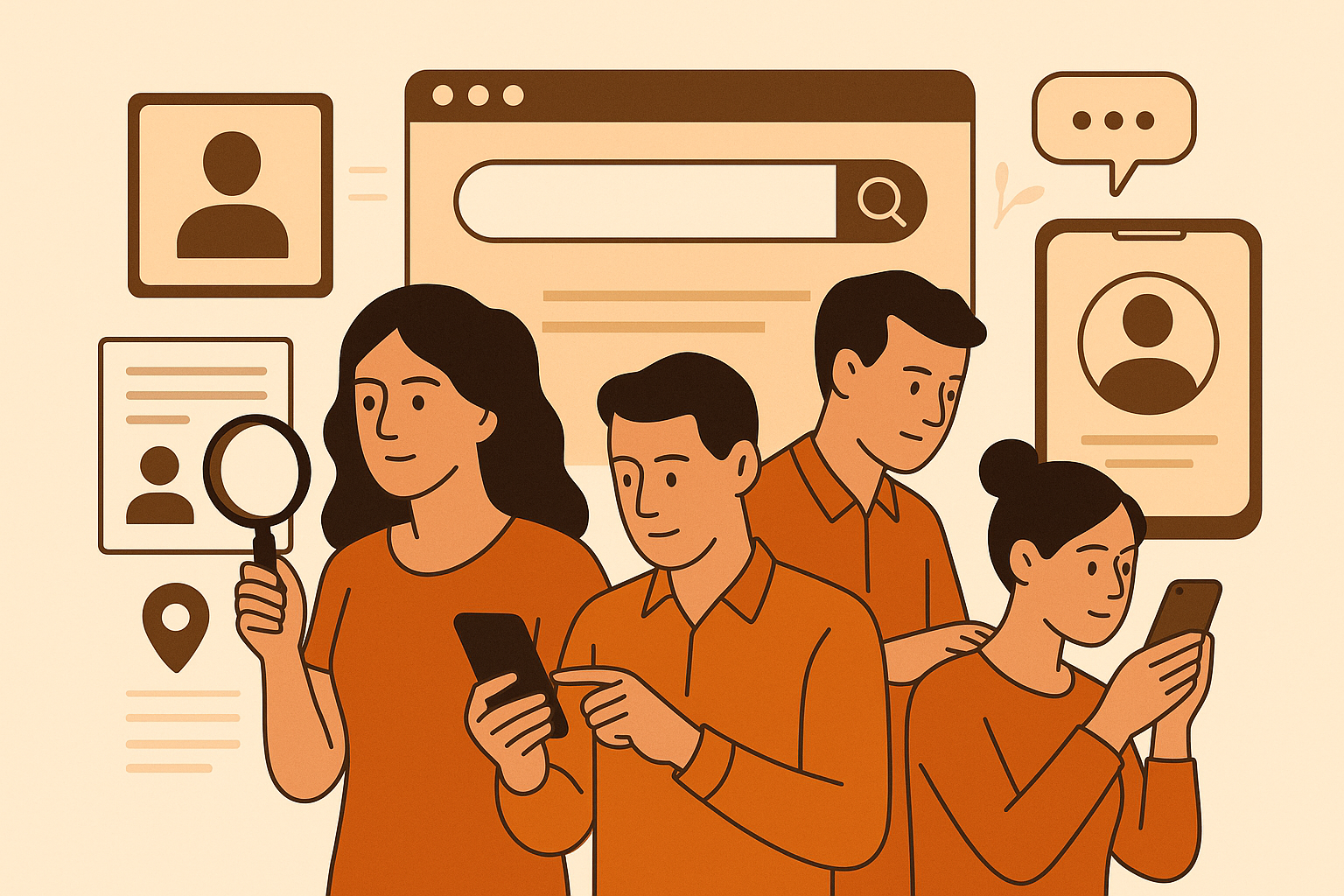
A name overheard. A missed call from an unknown number. A strange signature on a contract. The urge to learn more about someone is natural—but how do you search without crossing lines or wasting time?
Effective searching means using filters—not guesswork. With tools like search engines, social media, and platforms like PeopleFinder, you can uncover reliable, legal information collected from public sources. One such resource is PeopleFinder, a platform that gathers reliable information across multiple databases. While it doesn’t promise full coverage, it helps compile data that would otherwise be time consuming to collect manually. It’s especially useful when trying to find online connections between public facts and other details scattered across the web.
Start With What’s Public—But Know the Boundaries
Public records such as birth certificates, civil cases, and vital records are often available through government agencies. A linked phone number can also reveal where the person appears. If the same username shows up across platforms, it may confirm identity.
Use Google search techniques to narrow results. Searching a full name in quotes helps find pages with exact match entries. Reverse image search can also help—an uploaded photo might reveal profiles, old forum posts, or blog comments tied to that image. A surprising result might show a hidden connection—like an old comment on niche websites you wouldn’t think to check.
Digging Deeper with Search Engines and Filter Tricks
Search engines work best with precision. Use site:edu or site:linkedin.com/in/ for academic and professional profiles. Adding “curriculum vitae” to a name can uncover resumes.
Some platforms show previews but charge for full results. Inmate records, criminal charges, and criminal records should be checked only through official databases. Some sites offer background checks or detailed information—always verify the source and legality. Always avoid services claiming access to private medical records, which are protected and cannot be legally obtained without consent.
Let Online Footprints Work for You—Without Getting Lost
Scrolling won’t help—structured searching will. Use the Facebook search box with names, schools, or cities. Some users hide profiles, others leave visible clues.
Footprints across platforms often reveal more. A person may be private on one site and public on another. Combine usernames or keywords. Social media sites expose links through mentions and tags. The search bar can surface hidden profiles. Matching images or names confirms accurate information. These clues can be essential for locating people when direct contact details are unavailable.
When Digital Search Isn’t Enough—And When to Pause
Sometimes, search efforts stall. In rare cases, a private investigator may help—if used legally. But often, fact-checked sources and public records are enough. Some people choose privacy, and that should be respected.
Avoid jumping to conclusions. A matching name doesn’t guarantee identity. Always double check to avoid false leads.
The Realities of Searching: Time, Filters, and False Leads
Finding someone takes time. Common names and messy data can slow things down. A known phone number or business listing can narrow the results. Some directories link names to job listings or business bureau records.
Focus your search: use specific domains, unique identifiers, or keywords. A single word tied to the person may uncover hidden profiles. Social media clues—tags, comments, or group activity—can help confirm identity. For example, a nickname used in a review might also appear on a job board, connecting the dots.
When to Stop Searching
Not everyone leaves a visible trail. Some avoid social networks or delete old accounts. If repeated attempts reveal nothing, it may be time to stop. Also, don’t try to retrieve restricted data like financial records. Respecting privacy is just as important as curiosity. A public record doesn’t explain motivation, and a photo doesn’t prove identity. Treat every result as a clue, not a conclusion. Ethical research balances information with responsibility.
Conclusion: Use the Tools, Respect the Boundaries
Searching for people has become both easier and more complex. The information is out there—but so are ethical lines and legal limits. Choose verified sources. Compare details across platforms. Behind every record is a person with a right to privacy.
Used thoughtfully, these methods can reconnect you with old friends, verify identities, or support personal research. Just make sure the goal remains clarity—not control. Many platforms now offer free information to help make the process more accessible, but ethical use always comes first.
FAQ: What People Are Asking About Digital Search
1. Can I use people search to find someone’s location for free?
Some tools display basic data like city or state. However, current addresses may not be publicly listed unless shared in open directories.
2. Is it legal to search for inmate or court records?
Yes—if viewed through official government websites. Always verify the source and confirm that it’s publicly available data.
3. What’s the fastest way to check if two profiles belong to the same person?
Look for patterns in usernames, profile images, and shared contact details like email or phone number.
4. How can I tell if a website charges for full access?
If a site offers limited previews and then requests registration to unlock full data, it likely requires payment. Always read terms before providing personal info.
5. Can a search tool help reconnect with friends from school or college?
Yes, especially if you combine the person’s name with school names, graduation years, or shared group affiliations.
Write and Win: Participate in Creative writing Contest & International Essay Contest and win fabulous prizes.
About the Author