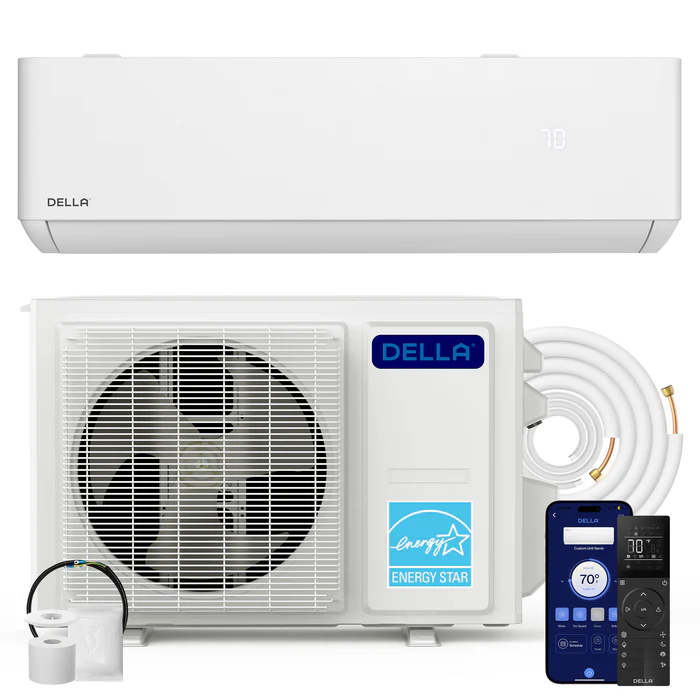
When choosing an air conditioner for your home or office, size matters—especially when it comes to BTU (British Thermal Unit) capacity. Picking the wrong size unit can lead to inefficient performance, increased energy costs, and decreased comfort. While many homeowners focus on features and price tags, matching the cooling power to the space it’s intended for is perhaps the most important step. Understanding whether a 9000 BTU mini split or 12000 BTU unit is the right fit can significantly impact how well your system performs.
In this article, we’ll break down how BTU ratings affect cooling performance, explore the ideal conditions for 9000 and 12K BTU mini split, and help you choose the perfect size for your space.
What Does BTU Really Mean?
BTU stands for British Thermal Unit and measures the amount of heat an air conditioner can remove from a space per hour. In simpler terms, the higher the BTU, the greater the cooling capacity.
However, bigger doesn’t always mean better. An air conditioner with too high a BTU rating may cool the room too quickly, causing the system to cycle on and off more frequently. This not only wastes energy but also results in uneven cooling and excess humidity. Conversely, a unit with too low a BTU rating will struggle to keep up on hot days, running constantly and failing to cool the room adequately.
The key is to match the BTU output to your room size and environmental factors.
9000 BTU AC: Ideal for Smaller Spaces
A 9000 BTU air conditioner is generally suitable for rooms up to about 350–400 square feet. This makes it an excellent choice for:
- Small bedrooms
- Home offices
- Studio apartments
- Guest rooms
Benefits of a 9000 BTU Unit:
- Lower energy consumption: These units consume less power, making them cost-effective to run over time.
- Compact and space-saving: Perfect for apartments or rooms with limited wall space.
- Quieter operation: Smaller compressors often produce less noise than higher-capacity systems.
Considerations:
- If your room receives a lot of direct sunlight, has poor insulation, or is regularly occupied by multiple people or heat-producing appliances, you may want to size up even if the room technically fits the 9000 BTU range.
12000 BTU AC: For Medium-Sized Rooms
A 12000 BTU unit is a better fit for rooms that fall in the 450–550 square foot range. It’s often used in:
- Larger bedrooms or master suites
- Living rooms
- Open-plan kitchen/dining areas
- Enclosed porches or sunrooms
Why Choose a 12000 BTU System?
- Stronger performance: Better at handling variable conditions, such as large windows or warmer climates.
- Versatility: Ideal for slightly larger or irregularly shaped rooms.
- Better for shared zones: If you’re using a 2 zone mini split and one of the zones covers a common area with higher traffic, 12000 BTU can handle the load more efficiently.
Things to Watch Out For:
- Oversizing can lead to short cycling—frequent starting and stopping—which increases wear and tear and leads to less comfortable humidity control.
Comparing the Two: 9000 vs. 12000 BTU
Let’s put them side by side for clarity:
| Feature | 9000 BTU | 12000 BTU |
| Ideal Room Size | 350–400 sq. ft. | 450–550 sq. ft. |
| Energy Use | Lower | Moderate |
| Noise Level | Quieter | Slightly louder |
| Application | Small rooms, personal spaces | Medium rooms, shared spaces |
| Cost | Lower upfront and operating cost | Higher cost but better performance in larger rooms |
The decision between the two often comes down to the room’s layout, insulation quality, and how many people use the space. If you’re unsure, it’s safer to slightly oversize than undersize—but only within reason.
How BTU Selection Works with Multi-Zone Systems
If you’re installing a multi zone mini split, choosing between 9000 and 12000 BTU units becomes a matter of matching the correct indoor head (air handler) to each room. For instance:
- A three-bedroom home might have a 9000 BTU unit in each bedroom, while a larger 12000 BTU or 18000 BTU unit is assigned to the living room.
- For open-concept layouts, two 12000 BTU units might work better than several smaller ones.
Each indoor unit is independently controlled, so you don’t have to compromise by overcooling or undercooling different parts of the home.
Can a 2-Zone System Handle Both Sizes?
Absolutely. In fact, one of the key benefits of a 2 zone mini split is the ability to pair different capacity indoor units with a shared outdoor unit. For example, you can use:
- A 9000 BTU unit in a small bedroom
- A 12000 BTU unit in an adjacent larger living area
This creates a balanced, efficient system that provides targeted comfort without wasting energy or overworking the compressor.
However, it’s essential to ensure the combined BTU output of both zones is compatible with the outdoor condenser unit. Working with a certified HVAC technician or supplier can help ensure proper configuration.
Other Factors That Affect BTU Requirements
While square footage provides a baseline for BTU selection, several other elements can influence your decision:
1. Sunlight Exposure
South-facing rooms or areas with large windows will heat up faster and may require more cooling capacity than similar-sized, shaded rooms.
2. Insulation Quality
Poor insulation allows more air exchange with the outside environment, causing the AC to work harder. Well-insulated rooms can manage with lower BTU systems.
3. Ceiling Height
Rooms with high or vaulted ceilings have more air volume, which may push you toward a higher BTU option to ensure consistent cooling.
4. Room Usage
A bedroom with one sleeping person has very different heat output compared to a kitchen with active appliances or a home gym. Adjust BTU recommendations accordingly.
The Role of Inverter Technology
Both 9000 and 12000 BTU units are available with inverter technology, which allows the system to modulate compressor speed rather than switching on and off. This results in:
- Lower energy use
- More consistent temperature control
- Reduced wear on the system
- Quieter operation
If you’re looking for long-term efficiency, opting for an inverter-based unit—regardless of BTU rating—is highly recommended.
Final Thoughts: Which One Should You Choose?
When deciding between a 9000 and 12000 BTU air conditioner, the right answer depends on your room size, insulation, layout, and how the space is used. If your space falls between 350–400 square feet, a 9000 BTU unit should be sufficient. If it’s over 450 square feet, or you have higher ceilings or direct sunlight, a 12000 BTU unit will likely provide better results.
Whether you’re designing a multi zone mini split system with various room sizes or installing a 2 zone mini split for a small home, matching the correct BTU to each zone is essential for achieving energy-efficient, consistent cooling performance.
Choose wisely—and enjoy the comfort all year round.
Write and Win: Participate in Creative writing Contest & International Essay Contest and win fabulous prizes.
About the Author