AI
In most cases, these tools can cut branches up to about two inches smaller in diameter than their bar length—so an 8-inch chainsaw typically cuts branches up to 6 inches thick. This article explains the key factors affecting cutting capacity—including bar size, motor power, battery performance, and wood density—and provides real-world examples, practical tips, and safety advice for effective yard work.
Understanding Mini Electric Chainsaws
What Is A Mini Electric Chainsaw?
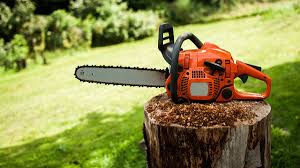
A mini chainsaw is a compact, battery‑powered tool designed for light cutting tasks. It offers a smaller, more maneuverable option than full‑size chainsaws and is ideal for pruning branches and trimming small trees in home and garden settings.
This tool is engineered with beginners in mind, as its lightweight design minimizes fatigue and enhances control.
It is perfect for DIY enthusiasts who need to tackle everyday yard work without the hassle of bulky or noisy power tools.
Key Components And Design Features
The core components of a Mini Electric Chainsaw include the guide bar, chain, motor, and battery. The guide bar—also known as the cutting bar—determines the maximum branch diameter that can be cut, while the chain does the actual cutting work with precision.
A robust motor combined with a high‑capacity battery delivers consistent power and longer runtime. Ergonomic handles and built‑in safety features further enhance the tool’s user‑friendliness, ensuring even first‑time users can work safely and efficiently.

How Thick Can a Mini Electric Chainsaw Cut?
The General Rule: Two Inches Less Than The Bar Length
Mini electric chainsaws usually follow a simple rule: they can cut branches about two inches thinner than the guide bar length.
For example, if your chainsaw features an 8‑inch bar, you can typically expect it to cut branches up to around 6 inches in diameter.
This rule‑of‑thumb is based on design limitations and optimal power output, ensuring clean cuts without overloading the motor.
Real‑World Examples
Consider a mini chainsaw with an 8‑inch bar; in most cases, it efficiently cuts through branches up to 6 inches thick.
Similarly, a 10‑inch bar chainsaw often cuts branches between 7 and 8 inches in diameter, making it practical for many residential tasks.
These examples reflect typical performance under average conditions and serve as useful benchmarks when selecting a chainsaw model for tasks like trimming hedges or cutting light firewood.
Variations Based On Model And Conditions
While the two‑inch rule is common, some models may exceed these limits if equipped with a more powerful motor, higher torque, or advanced chain technology.
Factors such as wood type and density also play a role; softer woods allow for thicker cuts, while harder species may reduce the maximum cutting diameter.
It is essential to consider these variations when choosing a chainsaw that best fits your specific yard work needs.
Factors Affecting Cutting Capacity
Bar Length And Chain Size
The guide bar length is one of the most important factors in determining your mini electric chainsaw’s cutting capacity.
A longer bar gives the chain more reach, allowing you to cut through thicker branches with greater ease.
In addition, the design of the chain—its pitch, gauge, and sharpness—affects how smoothly the saw cuts, ensuring clean results even in denser materials.
Motor Power And Torque
The motor’s power and torque are critical in overcoming resistance from thicker or denser wood.
Higher torque means the chainsaw can deliver extra force to break through harder branches without stalling.
A robust motor also maintains a consistent chain speed under load, which is especially useful when tackling hardwoods that require additional power for a smooth, clean cut.
Battery Voltage And Runtime
Battery voltage directly influences the chainsaw’s performance by providing the necessary power to the motor.
Higher‑voltage batteries allow the motor to sustain its cutting speed during prolonged use.
Similarly, longer battery runtime means you can complete extended yard projects more efficiently without frequent recharges.
Wood Type And Density
Different types of wood react differently to cutting.
Softwoods tend to be easier to slice through, while hardwoods and denser materials demand more power and sharper chains.
Knowing the wood type and density helps you match your tool’s capacity to the job at hand, ensuring reliable and safe performance.
Optimizing Cutting Performance
Maintenance And Chain Sharpening
Regular chain maintenance is key for smooth cutting and long tool life.
Keeping your chain sharp reduces drag and minimizes motor strain, leading to cleaner cuts and improved efficiency.
Inspect your chain frequently and use a proper sharpening tool or file according to the manufacturer’s guidelines to extend your chainsaw’s lifespan and enhance safety.
Adjusting Chain Tension And Oiling
Proper chain tension is critical for optimal performance.
If the chain is too loose, it can derail; if too tight, it causes unnecessary friction and wear.
Regular oiling reduces friction and heat, improving cutting speed and prolonging both chain and bar life.
Always check the oil reservoir before a job, adjust the tension as instructed, and refill oil as needed.
Recommended Cutting Techniques And Safety Tips
When operating near the chainsaw’s capacity, use controlled, steady strokes to let the tool work without overloading the motor.
Avoid forcing the chain through overly thick wood; instead, cut in stages if necessary.
Maintain a firm grip, adopt a proper stance to minimize kickback risks, and always wear appropriate protective gear such as gloves, eye protection, and ear defenders for safe operation.
Practical Applications And Limitations
Suitable DIY Projects And Everyday Tasks
Mini electric chainsaws are ideal for everyday yard work.
They excel at pruning hedges, trimming small branches, and cutting light firewood for seasonal fires.
Their compact, lightweight design ensures beginners can easily maneuver them in tight spaces, making them perfect for shaping shrubs or cleaning up overgrown limbs.
Limitations For Heavy‑Duty Cutting
While excellent for light to medium tasks, mini electric chainsaws have their limits.
They are not designed for heavy‑duty jobs such as cutting large‑diameter logs or felling mature trees.
For tougher projects that demand significant power—like processing large firewood pieces or cutting dense hardwoods—a full‑size or gas‑powered chainsaw is a safer, more effective option.
Conclusion
Mini electric chainsaws typically cut branches about two inches thinner than their guide bar length, meaning an 8‑inch model usually handles 6‑inch branches.
Their performance depends on factors such as motor power, battery capacity, chain design, and wood density.
They are ideal for everyday light yard work and pruning, but heavier tasks may require a larger or gas‑powered chainsaw to ensure safety and efficiency.
Write and Win: Participate in Creative writing Contest & International Essay Contest and win fabulous prizes.
About the Author