year
A productive workspace starts with furniture that supports comfort, focus, and workflow. The right office setup can help reduce distractions and improve how tasks are completed. Desks, chairs, and shelves affect how comfortably and smoothly people get through the day. Choosing items that match the space and work style makes the office feel more organized and professional. From shared areas to private offices, furniture should offer both function and visual appeal. With so many modern office furniture solutions available, it’s important to focus on quality, layout, and flexibility. A well-furnished office helps people stay motivated and get more done. The right environment leads to better energy, teamwork, and results. A smart office design improves not just performance but also comfort and daily satisfaction.
Start With an Ergonomic Setup
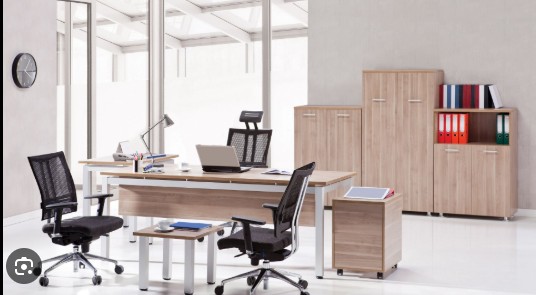
Comfort matters when people spend hours at a desk each day. Chairs should support the lower back, allow for adjustments, and provide padding that lasts over time. Desks must give enough space for a computer, documents, and daily tools without feeling cramped. The height and layout should allow for proper posture, with arms resting at a natural angle. Adjustable features make it easier to customize the setup for different team members. For standing desk users, surfaces should switch easily between seated and standing heights. Comfort reduces strain and supports focus through long tasks and meetings. A good ergonomic setup leads to better health and better work.
Match Furniture to the Type of Work
Different jobs call for different furniture styles. A creative team might need open desks, collaborative spaces, and movable tables. Meanwhile, roles that require focus and detail may benefit from quiet workstations or private offices with minimal distractions. Meeting rooms need large tables and enough seating for group planning or video calls. Storage should match the type of materials being used, from file drawers to shelving for supplies or gear. Choosing the right setup means thinking about what each person does and how they use their space. When furniture supports the work style, the team becomes more productive. The layout and features should match both individual and team needs.
Think About Storage and Organization
Clutter can get in the way of good work. Offices need storage that keeps supplies close but out of sight when not in use. Cabinets, file drawers, and shelves help reduce mess and improve focus. Desk organizers can keep papers and tools from piling up on the work surface. Vertical storage options save space in smaller offices and make the most of walls. Mobile storage like rolling carts allows items to be moved easily from one area to another. Built-in cable management keeps wires tidy and out of the way. Clean, organized spaces make it easier to think clearly and work efficiently.
Choose Durable and Easy-to-Maintain Materials
Office furniture should be strong enough to handle daily use without showing wear. Desks and tables with laminate or wood finishes resist scratches and stains. Chairs should be covered in easy-to-clean fabric or leather that holds up to repeated use. Metal frames and strong joints keep furniture stable and lasting longer. Materials that clean quickly are helpful in shared spaces or during busy workdays. Choosing durable pieces saves money by reducing the need for repairs or replacements. Quality materials also help the office look polished and professional. Long-lasting furniture adds value over time.
Plan for Flexibility and Growth
Modern offices change fast, so furniture should keep up. Modular desks, mobile partitions, and lightweight chairs help teams rearrange spaces for new projects or staff. Neutral colors and simple designs allow furniture to be reused in new layouts or rooms. Growing teams need furniture that can adapt without buying all new pieces. Tables that work in both private and shared spaces add value and save time during transitions. Planning ahead helps the office stay functional as the team grows or changes direction. Flexible choices make the workplace more future-ready and stress-free.
Productive offices start with thoughtful furniture choices that support the way people work. From ergonomic chairs to storage that keeps the space neat, each item plays a part in daily success. Choosing the right furniture for each task helps teams stay comfortable and on track. Durable materials and smart layouts ensure the office looks good and functions well every day. Flexibility allows the space to evolve as needs change, keeping productivity strong in the long run. A well-designed office feels both professional and welcoming. When the furniture fits the space and supports the team, work becomes smoother and more rewarding. Smart furniture planning builds a stronger foundation for success.
Write and Win: Participate in Creative writing Contest & International Essay Contest and win fabulous prizes.
About the Author