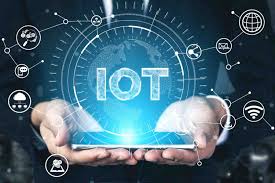
Imagine stepping onto a manufacturing floor where machines don’t just operate, they communicate. This isn’t science fiction, but reality powered by the Internet of Things (IoT) in manufacturing, often dubbed the Industrial IoT (IIoT) or Industry 4.0. This technological wave is fundamentally changing how goods are produced, moving from reactive fixes to proactive optimization, driven by data flowing seamlessly from connected sensors and devices. The core idea is simple yet profound: embed sensors, connect equipment, gather data, analyze it, and act upon the insights gained in real-time. This connectivity unlocks unprecedented levels of efficiency, visibility, and control, transforming traditional production lines into intelligent ecosystems.
The practical applications and benefits are numerous, impacting nearly every facet of the manufacturing process:
- Predictive maintenance: Instead of waiting for critical machinery to break down, causing costly downtime and production halts, IoT sensors constantly monitor equipment health (vibration, temperature, energy use). Algorithms analyze this data to predict potential failures before they happen, allowing maintenance to be scheduled proactively during planned downtime. This dramatically increases equipment uptime and lifespan.
- Enhanced quality control: IoT sensors can monitor production processes with superhuman precision. Automated visual inspections using connected cameras, real-time monitoring of environmental conditions (temperature, humidity), and precise tracking of material parameters ensure consistent product quality, reducing defects, scrap rates, and the need for manual inspection.
- Supply chain and inventory optimization: RFID tags and GPS sensors attached to raw materials, components, and finished goods provide real-time visibility into the entire supply chain. Manufacturers know exactly where their assets are, optimizing logistics, reducing stockouts or overstocking, and improving inventory turnover. This transparency streamlines operations from supplier to customer.
- Improved worker safety: Wearable IoT devices can monitor workers’ vital signs, location within hazardous zones, and exposure to harmful substances or conditions. Automated alerts can warn supervisors and the workers themselves of potential dangers, preventing accidents and fostering a safer working environment. Emergency response can also be faster and more targeted.
- Energy efficiency: Smart sensors monitor energy consumption patterns across machines, production lines, and entire facilities. Identifying energy hogs and optimizing operational schedules based on energy pricing or production needs can lead to significant cost savings and contribute to sustainability goals.
Implementing these solutions requires careful planning and integration. While the benefits are clear, harnessing the full potential often involves partnering with experts. Engaging specialized internet of things development services can provide the necessary expertise in sensor integration, data platform architecture, security protocols, and analytics to build robust and scalable IIoT solutions tailored to specific manufacturing needs.
The connected factory isn’t just about technology, it’s about leveraging intelligent data to make smarter, faster, and more efficient decisions, ultimately driving competitive advantage in a rapidly evolving industrial landscape.
Write and Win: Participate in Creative writing Contest & International Essay Contest and win fabulous prizes.
About the Author