I did not realize how much fashion had changed until it started feeling familiar everywhere. Not familiar in a comforting way, but familiar in a slightly unsettling way. You move between cities, campuses, cafés, and even different social circles, and the clothes begin to blur. The same trousers. The same earthy colours. The same bags slung over shoulders. At first it feels like coincidence. Then it keeps happening. And eventually you stop calling it coincidence.
When I look at old photographs from my family albums, the clothes stand out immediately. Not because they were stylish in a modern sense, but because they belonged somewhere. You could tell who lived in heat and who lived in colder places. You could guess who walked a lot, who worked with their hands, who spent most of their day indoors. The fabric choices made sense. The cuts made sense. Clothes were practical first and expressive second. They carried geography without trying to.
Now clothes carry something else entirely. They carry the internet. They carry trend cycles that arrive fully formed and disappear just as quickly. You can often tell what kind of content someone consumes by what they are wearing. It is less about location and more about algorithms. That shift did not happen overnight, which is probably why most of us did not notice it happening.
Fashion today moves faster than thought. You open Instagram or TikTok and within minutes you see outfits from Seoul, Paris, New York, Delhi, Lagos. Different places, but somehow the same vibe. Same camera angles. Same lighting. Same background music. At first this feels exciting. It feels like access. It feels like the world opening up. And in many ways, it is.
One of the clearest benefits of the globalisation of fashion is access. Fashion no longer belongs only to people who live in fashion capitals or who can afford luxury labels. A phone is enough. Taste is enough. Curiosity is enough. A student styling thrifted clothes in a small town can reach more people than designers once did through magazines. That matters. It shifts power. It tells people that fashion is not something you wait to be invited into. It is something you enter on your own terms.
This access has changed who feels seen. For many people, especially those who never matched traditional beauty standards, global fashion spaces became the first place they felt represented. Body positivity did not come from runways. It came from ordinary people posting themselves online. Stretch marks visible. Bellies not sucked in. Clothes worn confidently without apology. Seeing someone with your body type wear clothes freely does something subtle but important. It loosens something inside you. Fashion stops feeling like a test you are failing and starts feeling like a language you are allowed to speak.
Globalisation has also made it easier to experiment. You can try things privately, post them, delete them, try again. There is less risk. Less gatekeeping. That freedom has allowed people to play with style instead of treating it like a rulebook. For many, fashion became less about correctness and more about curiosity.
Cultural expression has also found new space through globalisation. Traditional clothes are no longer saved only for weddings or festivals. Young people wear them casually now. Sometimes imperfectly. Sometimes mixed with modern pieces. A dupatta with jeans. Old jewellery with everyday outfits. Heirloom fabrics turned into silhouettes that feel current. When these looks appear online, people ask questions. They want to know where the fabric came from. Who made it. What the story is.
Sometimes that curiosity turns into real impact. I have seen creators talk about how one video brought attention to their family craft. Orders started coming in. Conversations started happening. Not because the craft was packaged as exotic, but because it was worn naturally. Those moments feel like globalisation doing something right. Culture travels, but it does not lose its name.
Creative exchange has also expanded. Designers today are exposed to references from everywhere. They borrow textures, cuts, techniques, and reinterpret them. When this is done thoughtfully, it creates innovation. New silhouettes. New fabric uses. New ways of wearing old things. Culture is not frozen. It moves. It reacts. It responds to other cultures. Globalisation, at its best, gives fashion room to grow instead of keeping it boxed in.
But somewhere along the way, things start feeling off.
Because while fashion has become more accessible, it has also become strangely narrow. Trends spread so fast that they start feeling unavoidable. One aesthetic becomes popular and suddenly it is everywhere. Not slowly. Instantly. Clean girl. Old money. Coquette. Y2K. Each one arrives with a silent instruction manual.
You start noticing it in small ways. A friend hesitates before wearing something because it does not fit the vibe they are known for. Someone compliments an outfit but adds, “It doesn’t really feel like you.” That pause matters. That moment where someone edits themselves before stepping outside is where individuality begins to shrink.
Fashion slowly turns into a shortcut. A signal. You dress to be read correctly. And when everyone uses the same signals, everything starts blending together. Not identical, but close enough to blur.
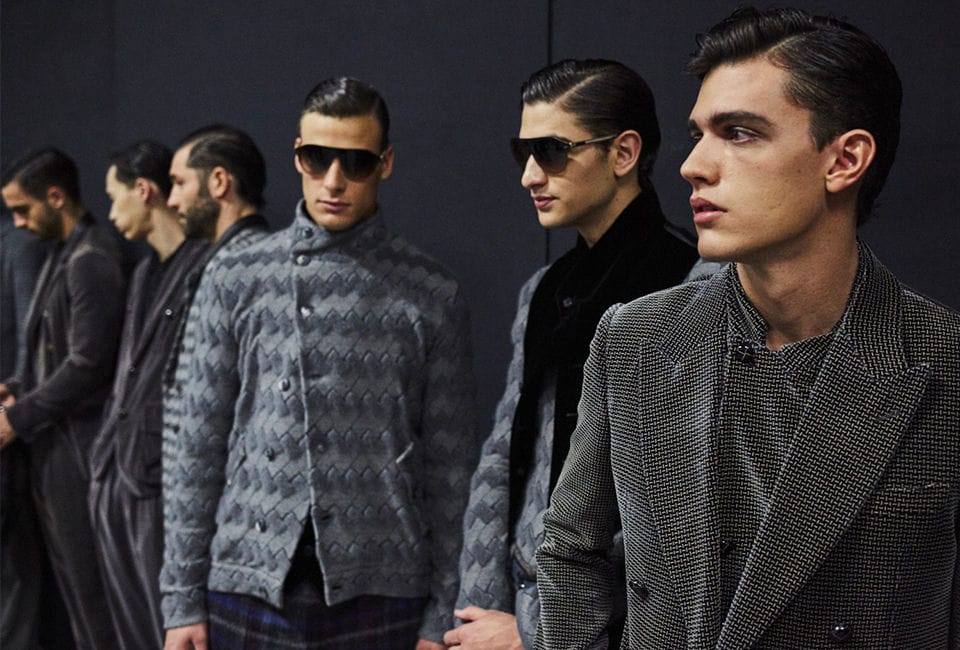
Walk into a college fest or café and you see it. Same silhouettes. Same colour palette. Same bags. Same thrifted cargos. It is not that these clothes are bad. It is that they repeat endlessly. Outfits stop saying anything personal. Fashion loses its sense of risk.
Fast fashion intensifies this cycle. Global supply chains allow brands to copy trends almost immediately. A look goes viral and within weeks it is available everywhere for cheap. People buy it because it is accessible, not because it resonates. Clothes become temporary. Disposable. Something you wear once and move on from.
I know people who buy outfits specifically for one post. One event. One moment of validation. After that, the clothes feel useless. Not because they are damaged, but because the trend already feels old. This constant cycle creates waste on a massive scale. Clothes pile up in landfills. Water gets polluted by dyes. These consequences stay invisible while the next trend arrives.
Behind all of this is labour that rarely gets acknowledged. The people making these clothes are not part of the aesthetic. They do not appear in moodboards or haul videos. Many of them work long shifts, often in unsafe conditions, for wages that disappear almost as soon as they arrive. Globalisation allows brands to move production wherever it costs the least. Shoppers benefit from low prices. Someone else quietly absorbs the cost. Most people know this, at least vaguely, which is why they avoid sitting with it for too long.
Cultural appropriation makes the situation even more uncomfortable. There is a difference between inspiration and extraction, but brands often blur it. Traditional designs are lifted, renamed, and sold without credit. A community’s heritage becomes a seasonal trend. When the trend fades, the community is forgotten again. That hurts because culture is not just visual. It is lived. It is passed down through hands, stories, and repetition. Treating it like a costume strips it of meaning.
There is also an emotional cost to global fashion that rarely gets talked about. Comparison fatigue. You are constantly exposed to people who seem better dressed, more put together, more current. You start questioning your taste. You feel pressure to keep updating yourself. Fashion stops being something you enjoy and starts feeling like something you are behind on.
For many Gen Z users, getting dressed comes with anxiety. Will this outfit photograph well. Will it look outdated. Will people judge. Instead of feeling expressive, fashion becomes performative. You dress for the feed, not for your own comfort. That constant self monitoring is exhausting.
Still, it would be dishonest to pretend people are not pushing back.
I see people repeating outfits online without apologising for it. I see friends choosing thrift stores over impulse buying. I see creators openly talking about sustainability instead of hiding it behind aesthetics. I see people learning basic stitching just to repair clothes instead of throwing them away. These actions are not loud. They do not go viral easily. But they matter.
The problem is not globalisation itself. It is how automatically we participate in it. Fashion does not have to be either global or local. It can be both. It can travel without erasing its roots. It can change without flattening individuality. But that requires intention.
Brands need to collaborate instead of extract. Credit instead of rename. Pay instead of exploit. Consumers need to slow down. To ask where things come from. To wear things because their body relaxes in them, not because they guarantee approval.
Fashion should feel a little messy. Like trying something on and not being sure yet. Like mixing pieces that technically should not go together and still liking the result. Soft clothes with a sharp mood. Old pieces with new habits. Globalisation could actually make this easier, but only if trends stop acting like rules people are scared to break.
Clothes are closer to us than most things. They sit on our skin. They crease when we move. They remember places even after we forget them. Turning them into scrollable content flattens that closeness. Fashion has become louder and faster because of globalisation. The part we still control is whether it also becomes gentler.
I do not miss the version of fashion that belonged only to a few people. That world was narrow and cold. But I also do not want a world where everyone looks like they followed the same tutorial. Somewhere between those two extremes is a better answer.
Globalisation has given fashion reach, speed, and volume. What it has not decided yet is direction. That part is still open. Fashion will continue to travel. The question is whether it carries individuality with it or leaves it behind.
Most people are not asking for perfection. They just want clothes that feel like them. Something familiar. Something slightly experimental. Something that belongs to their body and their life, not just their feed. If globalisation can make space for that, then it is worth keeping. If not, then it deserves to be questioned.
Fashion does not need to be louder than people. It needs to listen to them.
By: Nupur Singh
Write and Win: Participate in Creative writing Contest & International Essay Contest and win fabulous prizes.
About the Author