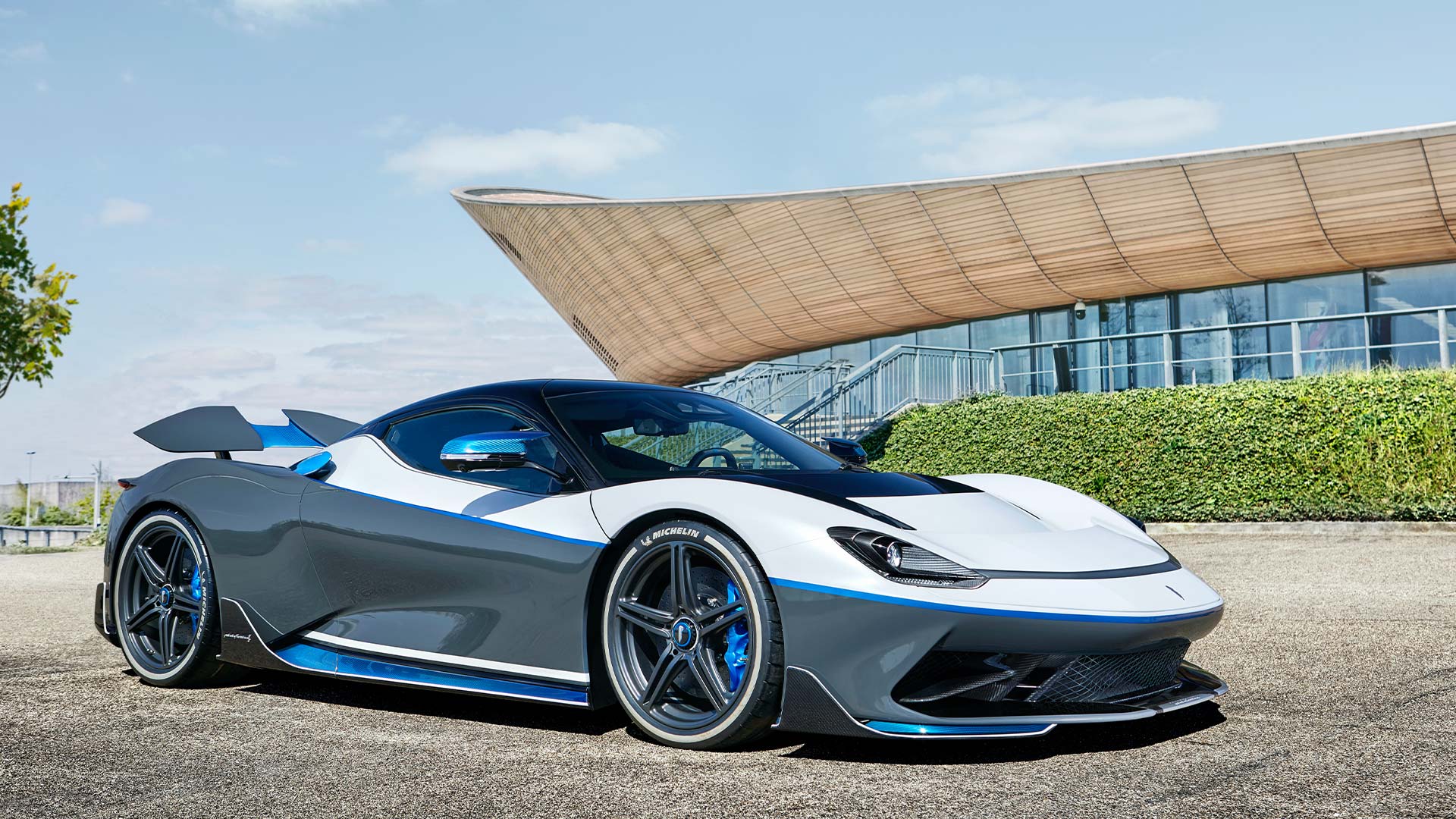
The modern world of rapid technological development and increased environmental consciousness is shaping the transport sector. The demand for transportation systems that are efficient, reliable and environmentally friendly is increasing as the world population grows and urbanization progresses. Meanwhile, worries about climate change, air pollution and depletion of fossil fuel reserves have increased the pressure on governments and industry to cut their carbon emissions. Accordingly, automobile manufacturers everywhere are striving to produce vehicle technologies other than or that can supplement internal combustion engine vehicles. Within these essay, hydrogen cars have intensified a lot of interest as an alternative solution for the sustainable mobility challenges.
Hydrogen cars are frequently touted as a clean and futuristic alternative to their gasoline predecessors, and in some cases a challenger to all-electric vehicles. Supporters maintain that hydrogen technology combines the best of both worlds: no tailpipe emissions and refueling in minutes for a long drive. Despite these attractive features, hydrogen vehicles have yet to gain wide acceptance. There are a few economic, technological and infrastructure-related obstacles barring their development which still prevent them from becoming usable. Thus, this paper maintains that despite being well ahead in terms of environmental performance and driving quality, fuel cell vehicles also have profound disadvantages in the form of high costs of production, lack of refueling infrastructure, safety concerns, and the continued use of fossil fuels to create hydrogen.
The environmental friendliness of hydrogen cars is among their most often praised advantages. Hydrogen fuel cell vehicles create electricity through a chemical reaction of hydrogen and oxygen; the only direct emission is water vapor. In contrast with gas or diesel engine powered vehicles, hydrogen cars avoid emitting carbon dioxide, carbon monoxide and nitrogen oxides when they are used. These pollutants are a leading cause of global warming and urban air pollution, both associated with respiratory disease, heart conditions and degradation of the environment. Furthermore, since hydrogen cars do not produce toxic tailpipe emission, they can make a huge contribution to air quality – ideal for smog-choked cities that are looking to clean up their act.
Hydrogen cars are particularly relevant in terms of the positive environmental impact, because of global climate targets. The transportation industry is one of the biggest emitters of greenhouse gases in the world, and a few countries have pledged to become carbon neutral in the coming decades. And the shift to hydrogen-fueled vehicles from fossil fuel-driven vehicles could be a critical part of achieving that goal. Hydrogen vehicles are consistent with the global efforts to cut emissions and pursue sustainable development, and it can serve as an attractive option for policymakers looking for long-term solutions to climate issues.
Fast refueling time is another huge plus for hydrogen-powered cars. Charging time for rechargeable electric vehicles criticism one of the most common criticisms of BEVs is the time required to recharge the batteries. While it shows that charging technology has made it increasingly better, there’s no mistaking the fact refilling an electric vehicle takes much longer than gassing up a petrol car. Hydrogen cars, meanwhile, can refuel in just around three to five minutes, which is much like the ease you’d get from topping up at a gas station. This convenience is why hydrogen cars are attractive for people who need their car every day to commute a long way or use for business and leisure travel.
The convenience of quick refueling is one thing, but the efficiency is another. For sectors such as logistics, mass transit and ride hailing, the time a vehicle is refueled or recharged has an immediate impact not only on productivity but also on operating costs. They can keep these businesses running without having to shut them down for periods of hours. In this case, hydrogen technology could be particularly well-suited to applications in which downtime should be avoided.
Besides their economy, hydrogen cars boast impressive ranges. A single tank of hydrogen will keep up with the mileage done by many hydrogen-fueled cars today – which puts them in a good position even for long journeys. This advantage can alleviate one of the major worries of users of electric vehicles, ”range panic”. Every hydrogen fuel cell has a constant power output while hydrogen is being used so these vehicles need not suffer the same performance degradation that comes from using up batteries. Furthermore, the elimination of large battery packs can mean a lighter car, which means there is less weight for uneven road surfaces to push around.
Hydrogen cars benefit too from the abundance of hydrogen as a resource. Hydrogen is the most abundant element in the universe; it can be extracted from various sources such as water, natural gas and biomass. This abundance suggests that hydrogen has strong potential as an energy carrier for future generations. When produced by electrolyzing water with renewable energy, hydrogen can be stored and used without producing any carbon emissions. This characteristic makes it an attractive complement to renewable energy systems that are frequently hindered by the problem of intermittency. By storing the extra energy derived from solar or wind power, hydrogen can stabilize power supplies and help build a more robust energy infrastructure.
In addition, hydrogen cars may enhance energy security and industrial diversification. Many countries rely heavily on imported oil, making it difficult to maintain a reliable supply and rendering them vulnerable to price fluctuations or other associated geopolitical risks. Hydrogen technology investment can help nation-states reduce the degree to which they rely on fossil fuels and develop energy solutions that are closer in time span as well as space to where people live or work. Hydrogen can be produced with local resources, making it easier for nations to gain energy independence and reducing long-term vulnerabilities. From a strategic point of view, hydrogen vehicles offer an opportunity to restructure energy systems while reducing exposure to international oil markets.
But despite these advantages, there are also many potential drawbacks. Firstly, commercialization of hydrogen cars is facing certain obstacles. At present, refueling infrastructure for hydrogen vehicles is nowhere to be found. Hydrogen filling stations are few and far between, and even in technologically advanced countries. Drivers would have to travel long distances in many regions to find a refilling station. A large-scale construction job like hydrogen infrastructure investment entails continuous and emergency expenditures, decisions that are difficult to change once they’ve been made, and all manner of necessary planning in advance. Without a proper system of support facilities, consumers are doubtful about the viability of hydrogen-powered automobiles shipments. This has hampered business growth significantly.
Another big problem with hydrogen cars is the high cost of production. Hydrogen fuel cell vehicles, as well as having all kinds of other problems, use metallic fuels and precious metals including platinum. The materials used in fuel cells significantly increase production costs, resulting in higher prices for cars compared to gasoline and even electric-powered vehicles. Current research is aimed at reducing the number of expensive substances, but today’s high production costs remain a barrier to the widespread use of hydrogen power. For many people, the crucial thing is how much they are willing to spend, and hydrogen cars are often not seen as sensible choices, often being seen more as luxury goods than practical replacements for other vehicles.
In addition to car costs, hydrogen fuel itself is not cheap. Producing, storing, and transporting hydrogen is all very advanced technology that requires lots of expensive equipment and infrastructure. Most hydrogen is currently produced through steam methane reforming, a process that uses natural gas and produces carbon dioxide emissions. This method undoes much of the advantages of a hydrogen car, if you like — it’s not completely clean in spirit. Green hydrogen produced by electrolysis with renewable energy offers a cleaner alternative, still this is far too expensive. Until this becomes affordable in terms of production costs as compared to regular hydrogen, the sustainability of hydrogen vehicles is minimal.
The introduction of hydrogen cars brings more security concerns. Hydrogen is a highly flammable gas that needs to be stored at high pressure, to introduce it to be usable for vehicles transport. Although modern hydrogen cars are now safer than ever before; for example, tanks and other tank components have been redesigned to reduce feelings of danger when there is a crash whilst driving in your new car–things like this are still possible. People are still afraid of getting into accidents and dying on TV commercials where hydrogen cars go up in flames1. This public fear stems from historical incidents plus an absence of awareness about this technology. This is not going to disappear overnight. To ease those fears requires comprehensive testing, transparent safety standards and the education of consumers to build trust among them.
Another significant drawback is the much slower pace of technological progress than that seen with electric vehicles. In recent years electric cars have seen rapid technological advances, steep drops in battery prices and robust government backing. Consequently, charging infrastructure has soared, offering incentives for new electric vehicle users from the state level down to individual communities across countries. With every major development – electricity cars become increasingly affordable and widespread. On the other hand, hydrogen cars are still a niche market where only a few models are currently available, and most people remain completely ignorant about their existence. This gap presents a serious problem in which it is difficult to imagine how hydrogen vehicles might be able to get alongside other types of current cars.
How ready the market makes a great difference to the success of hydrogen cars. Some members of the public know next to nothing about hydrogen vehicles: how they work, where they can be filled, and are they safe. This situation breeds doubt, leading to sagging demand. It’s hard to fit in with today’s image of mobility, would make all the requirements expensive. Unless demand is sufficient, manufacturers are less willing to invest heavily in hydrogen technology. That all adds up to slower development and higher costs. Breaking the cycle needs a coordinated push from government, industry and education at all levels to step up public understanding and its adoption.
However, in certain areas of transport, hydrogen technology works well. Even though fuel cell passenger cars have limited numbers in operation, at least attention is turning to hydrogen-powered trucks and buses and industrial vehicles. And in one important respect— heavy-duty transport— where long distance driving and fast refueling are basic requirements hydrogen vehicles are clearly superior to their battery-driven kin. Several countries have already started using hydrogen buses and trucks in public transport and logistics to cut pollution. Such developments make it look as though apart from electric vehicles powered by batteries fully hydrogen cars might be a useful option nowadays in fields where battery technology lacks clout.
With an eye to the future, whether hydrogen car really will be commercial vehicle formation technology developing depends on: (1) technological innovation, (2) support provided by the policy, and (3) how much a group users of hydrogen-fueled cars can be brought together. Lower fuel cell efficiencies, production methods and methods of generation distribution further development in infrastructure could radically reduce costs and improve convenience for all concerned. Government support and international cooperation may also be crucial in speeding up change. If those problems can be solved, hydrogen cars may well in the decades ahead become a valuable part of a diversified, low-carbon traffic system.
In conclusion, hydrogen cars are a bold and innovative response to the electricity and environmental worries facing traffic. They have some obvious advantages, such as zero tailpipe emissions, fast refueling times, require no special support equipment, and if more renewable power is installed could even up the traffic or be leading towards another phase. But it has its flaws: high production costs, high fuel costs and inadequate infrastructure to supply it are too large an expense for many people. Besides, the question also arises as to whether hydrogen can ever become competitive with oil once these barriers have been breached. So big a change from today’s practices might well be hard to achieve but imagine a future of far less worry about terrorism or look at how human nature has changed over the years. At present, hydrogen cars are still losing out to electric vehicles, which have long been stable and universally acknowledged by technology but need more research. Nonetheless, hydrogen-powered vehicles continue to perform an important function, particularly in heavy-duty transportation and industrial applications. Therefore, while hydrogen cars are not yet a universal solution, they remain an important part of the overall effort to deliver a cleaner transportation system for the future.
By: KEINAN JOVIAN FAWWAZAKY
Write and Win: Participate in Creative writing Contest & International Essay Contest and win fabulous prizes.
About the Author