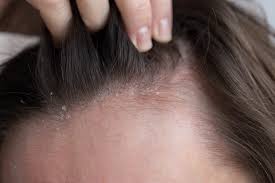
An itchy scalp and persistent dandruff are often dismissed as minor cosmetic concerns. However, dermatologists explain that these conditions are often linked to internal factors, including stress. When emotional or physical pressure increases, the body responds in ways that can directly affect scalp health, leading to irritation, flaking, and discomfort. A clear understanding of this connection allows for smarter care, better symptom control, and healthier scalp outcomes over time.
- How Stress Affects Your Scalp
Stress triggers the release of cortisol and other hormones that disrupt the natural balance of the skin. The scalp, which contains numerous oil glands and nerve endings, is particularly sensitive to these hormonal changes. Increased stress may stimulate excess oil production, weaken the skin barrier, and make the scalp more reactive to microorganisms.
Dermatologists often observe cases of stress-related itchy scalp, where individuals experience intense itching even before visible flaking appears. Over time, repeated scratching increases inflammation and may eventually lead to noticeable dandruff or scaling. Stress can also influence immune function, reducing the scalp’s ability to control inflammation effectively.
Key Takeaways:
- Stress hormones increase oil production and scalp sensitivity.
- Early itching may occur even without visible flakes.
- A weakened skin barrier makes the scalp more reactive.
- The Link Between Stress and Dandruff
Dandruff is commonly linked to an overgrowth of a yeast called Malassezia, which naturally lives on the scalp. While this yeast is usually harmless, stress can create conditions that allow it to multiply rapidly.
When oil production increases during stressful periods, the yeast feeds on the excess oil, accelerating skin cell turnover. This leads to the shedding of visible white or yellow flakes accompanied by itching.
Dermatologists clarify that stress does not directly cause dandruff. Instead, it worsens existing scalp imbalances. People who already have mild dandruff may notice sudden flare-ups during periods of high emotional strain.
Key Takeaways:
- Stress increases scalp oil, which supports yeast overgrowth.
- Faster skin cell turnover leads to flaking.
- Existing dandruff often worsens during stressful periods.
- Why the Scalp Feels Itchy
An itchy scalp is usually a sign of inflammation. Stress increases nerve sensitivity, making even minor irritation feel more intense. Since the scalp contains many nerve endings, heightened sensitivity can amplify the sensation of itching.
Repeated scratching damages the outer layer of the scalp, leading to redness, micro-injuries, and sometimes secondary infections. Dermatologists emphasise breaking the itch-scratch cycle early to prevent worsening symptoms.
Other factors, such as irregular washing, harsh shampoos, poor sleep, and dehydration, can further aggravate scalp discomfort when combined with stress.
Key Takeaways:
- Stress heightens nerve sensitivity in the scalp.
- Scratching worsens inflammation and irritation.
- Poor lifestyle habits can intensify itchiness.
- Treatment and Itchy Scalp Relief Time
Managing stress-induced scalp problems requires a balanced approach. Dermatologists often recommend medicated anti-dandruff shampoos that contain antifungal ingredients such as ketoconazole, piroctone olamine, zinc pyrithione, selenium sulphide, or salicylic acid. These ingredients help control yeast growth and reduce inflammation.
In addition to topical treatment, stress management plays a vital role. Regular exercise, sufficient sleep, meditation, and a balanced diet can support scalp recovery. For many individuals, noticeable improvement appears within two to four weeks of consistent treatment. However, itchy scalp relief time depends on the severity of symptoms and how closely the treatment plan is followed.
If itching continues beyond several weeks or becomes severe, professional evaluation is important to rule out conditions such as psoriasis or eczema.
Key Takeaways:
- Medicated shampoos help control fungal growth and inflammation.
- Managing stress supports faster recovery.
- Relief time varies based on severity and consistency of care.
Final Thoughts
Stress may not always be visible, but its effects on the scalp can be uncomfortable and persistent. By recognising the connection between emotional health and scalp health, you can take proactive steps toward managing dandruff and itchiness effectively. A balanced approach that combines proper scalp care with stress management offers the best path to long-term relief.
Frequently Asked Questions
Can stress worsen an itchy scalp and dandruff, and what shampoos do dermatologists recommend?
Yes, stress can worsen both an itchy scalp and dandruff by increasing oil production and inflammation. Dermatologists typically recommend medicated anti-dandruff shampoos containing ketoconazole, piroctone olamine, zinc pyrithione, selenium sulphide, or salicylic acid. These ingredients help control yeast growth and reduce scalp irritation.
How long do medicated anti-dandruff shampoos take to show results for an itchy scalp?
Most medicated shampoos begin to show improvement within two to four weeks when used consistently as directed. Mild cases may improve sooner, while more persistent conditions may require longer use or additional medical treatment.
Write and Win: Participate in Creative writing Contest & International Essay Contest and win fabulous prizes.
About the Author