Technology’s rapid development has brought convenience and connectivity, but along with it come growing challenges in safeguarding our digital identities. Identity verification has become an essential tool in protecting sensitive information, reducing fraud, and ensuring secure online transactions. This blog explores how identity verification strengthens security in the digital world, along with statistics, trends, and actionable insights for businesses.
Why Identity Verification Matters in the Digital Age
With the explosion of online services, digital identity has become a gateway to virtually every aspect of our lives—including finance, education, commerce, and communication. However, an increase in digital interaction has also led to a surge in identity-related fraud.
According to a 2023 report, global cybercrime resulted in financial losses exceeding $8 trillion. Among these crimes, identity theft has become one of the fastest-growing threats, with millions of users falling victim every year. This alarming trend underscores the importance of robust identity verification systems.
Key Statistics Demonstrating the Need for Identity Verification:
- A 2022 survey revealed that 90% of global companies experienced fraudulent activities over the past year, with identity fraud accounting for 60% of reported cases.
- The financial services sector, one of the industries most impacted by cybercrime, recorded losses in excess of $4 billion due to customer identity fraud.
- By the end of 2025, the digital identity verification market size is expected to grow at a compound annual growth rate (CAGR) of 16%, signaling its increasing importance across industries.
Types of Identity Verification
Identity verification is more than just entering usernames and passwords. Advances in technology have introduced a wide array of methods that ensure secure access to digital platforms. Here are some of the most common approaches:
1. Document Verification
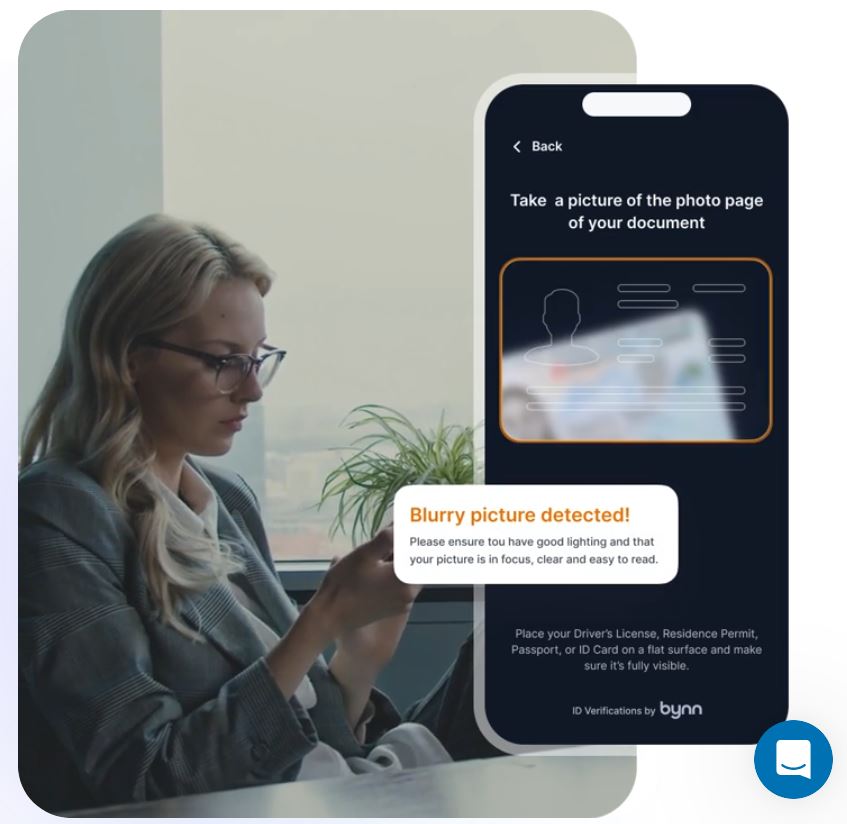
This traditional method involves verifying official documents like passports, driver’s licenses, or ID cards. With advancements in technology, online tools can now instantly scan and authenticate these documents for fraud markers, such as tampering or invalid credentials.
2. Biometric Verification
Biometric systems rely on unique physical attributes such as fingerprints, facial recognition, or voice patterns. This powerful tool is being widely adopted by governments, banks, and tech firms due to its accuracy. For instance:
- Facial recognition systems can match real-time user images with stored identity data.
- Fingerprint scanning adds an additional layer of security, making duplication nearly impossible.
3. Two-Factor Authentication (2FA)
One of the most widely used methods, 2FA requires the user to provide two separate forms of identification. This may include a password combined with an OTP sent to their mobile device or email.
4. Behavioral Biometrics
Emerging as a promising tool in identity verification, behavioral biometrics analyze individual behaviors such as typing speed, mouse movements, or swiping patterns on smartphones. These nuanced behaviors are challenging for fraudsters to replicate, ensuring better protection.
5. Blockchain-Based Verification
Blockchain introduces decentralized identity mechanisms where individuals have control over their data. By reducing reliance on centralized databases—which are prime targets for hackers—blockchain maintains user privacy while verifying identity.
How Identity Verification Benefits Businesses
Strong identity verification systems aren’t just a necessity; they’re a competitive advantage that builds trust and enhances user experience. Here’s how implementing these systems benefits businesses:
1. Reduced Fraud Rates
Digital platforms implementing identity verification see a significant reduction in fraudulent activities. By authenticating users before granting access, companies can prevent malicious actors from exploiting their services.
2. Improved Customer Trust
Customers are more likely to engage with companies that prioritize their security. Clear communication about the use of secure verification processes builds loyalty and cultivates a reputation of reliability.
3. Regulatory Compliance
Many industries must comply with laws requiring identity validation to prevent money laundering, terrorism financing, or other cybercrimes. For example, regulations like KYC (Know Your Customer) and AML (Anti-Money Laundering) emphasize stringent identity verification protocols.
4. Cost Savings
While implementing advanced verification systems may require upfront investment, the long-term savings on fraud mitigation, chargebacks, and legal disputes outweigh the initial expense.
Emerging Trends in Digital Identity Verification
The field of identity verification continues to evolve with new technologies and approaches aimed at enhancing security and user convenience. Businesses would benefit from keeping up with these trending developments:
1. AI-Powered Verification
Artificial intelligence is playing a crucial role in identity verification by identifying anomalies in user behavior, detecting fraudulent documents, and analyzing data patterns in real-time. AI ensures efficiency and accuracy, reducing false-positive errors.
2. Mobile and Remote Identity Solutions
With the increase in remote working and mobile usage, there’s growing demand for verification technologies that accommodate remote access. Mobile-first biometric verification and AI-driven remote onboarding processes are increasingly popular.
3. Privacy-First Approaches
Customers are now more conscious of their data privacy. Verification systems are adapting to comply with data protection laws such as GDPR, offering privacy-centric features to users.
4. Passwordless Authentication
The move toward completely eliminating traditional passwords is gaining traction. Biometric verification, smart cards, and hardware-backed keys are becoming preferred methods for securing digital identities.
Challenges in Identity Verification
While the benefits of identity verification are compelling, challenges persist, such as:
- Fraudulent Techniques: Fraudsters are becoming more sophisticated, leveraging deepfakes or synthetic identities to bypass outdated verification systems.
- Accessibility: Some technologies may not be universally accessible—for instance, biometric systems that fail to account for physical disabilities.
- Balancing Security with Usability: High-security protocols could frustrate users by making the process too complex or time-consuming, leading to potential drop-offs.
To tackle these challenges, businesses must adopt solutions rooted in simplicity, security, and inclusivity. A layered approach incorporating multiple verification methods often yields the best results.
Best Practices for Implementing Identity Verification
For businesses looking to enhance their security through identity verification, here are some actionable best practices:
- Adopt Multi-Layered Security
A combination of biometric, document, and behavioral verification methods ensures robust protection.
- Invest in Advanced Technology
Leverage AI-powered tools and machine learning algorithms that can adapt to emerging cyber threats.
- Ensure Data Privacy
Operate within data protection laws and use encryption to safeguard sensitive user information.
- Measure and Optimize
Continuously monitor the effectiveness of verification systems to identify weak points and implement necessary updates.
Closing Thoughts: Strengthening Digital Security Starts Now
Identity verification isn’t just a security measure; it’s an essential tool for navigating today’s cyber-threat landscape. For businesses, it’s a proactive investment in building trust, enforcing transparency, and fostering a secure environment for employees and customers alike.
By adopting cutting-edge verification systems and continuously evolving with emerging technologies, companies can remain one step ahead of bad actors while offering seamless and secure experiences.
If you’re ready to elevate your organization’s security game, now is the perfect time to act. Explore innovative identity verification solutions tailored to your needs and safeguard your digital assets effectively.
Write and Win: Participate in Creative writing Contest & International Essay Contest and win fabulous prizes.
About the Author