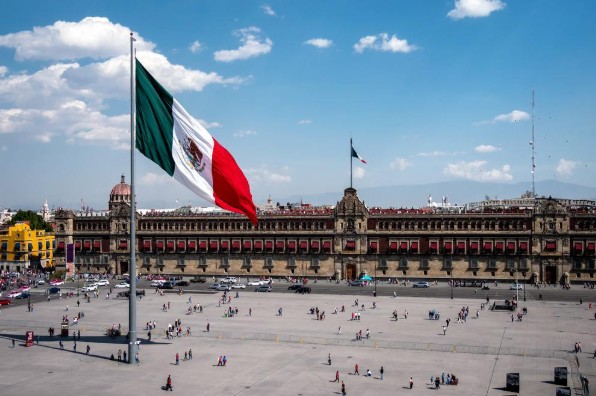
Picture yourself landing in Mexico with a few days off ahead, the smell of fresh tortillas in the air, and a hotel already waiting for you. Learning how to plan a trip to Mexico means getting these details sorted before you leave—so you can spend your time enjoying tacos al pastor instead of Googling bus schedules.
Mexico has something for every traveler: beaches, mountains, art, ruins, and city life. But to make the most of it, you’ll want to think about when to go, what to pack, and how to connect the dots between destinations. Before you book your flights to Mexico, here’s how to organize everything with minimal stress and maximum fun.
Pick the right time and region for your trip
The best time to visit depends on what kind of weather and crowds you prefer. Mexico’s dry season runs roughly from November to April, which makes it ideal for beaches like Cancun, Puerto Vallarta, and Los Cabos. The rainy months (May to October) bring greener scenery, fewer tourists, and lower prices.
If you’re still thinking “how long should I plan a trip to Mexico for?”, aim for at least a week if you want to combine cities and beaches. For example, three days in Mexico City and four in Oaxaca or the Yucatán Peninsula give you both culture and coast without feeling rushed.
When you pick regions, think about travel distances. Flights inside the country are quick and usually affordable, while buses are reliable for short trips. Booking early gives you more flexibility to match flight schedules and avoid tight connections.
Budget and organize before you pack
Sorting out logistics early saves you money and headaches later. Prices vary widely by destination, season, and accommodation type, but a few general rules apply:
- Big cities like Mexico City and Guadalajara have plenty of mid-range hotels and apartment rentals.
- Beach resorts often include meals or activities in all‑inclusive rates, which can simplify planning.
- Smaller towns, like San Cristóbal de las Casas or Guanajuato, have charming boutique stays that book out quickly.
To keep your budget balanced, divide your spending into categories—flights, accommodation, food, and local transport—and leave a cushion for tours or spontaneous finds. Apps like XE and Google Maps help you track conversions and routes.
Handle entry requirements and safety basics
Before you travel:
- Check passport validity (it should last at least six months beyond your trip)
- Confirm if you need a visa; U.S. citizens can usually stay up to 180 days without one.
When you arrive, you’ll receive a digital FMM (tourist permit), which you may need to show when leaving.
It’s also smart to:
- Buy travel insurance that covers medical care and flight delays.
- Make digital copies of your passport and booking confirmations.
- Save local emergency numbers and embassy contacts on your phone.
- Use ATMs inside banks or malls to minimize risk.
Mexico is generally safe for travelers who stay aware of their surroundings, use official transportation, and avoid flashing valuables. In large cities, neighborhoods like Polanco, Roma Norte, and Condesa are known for their walkability and good lodging options.
Stay connected and move around easily
The best way to plan a trip to Mexico also means thinking about how you’ll get around. Domestic airlines link most major destinations, and long-distance buses connect towns at reasonable prices. Inside cities, ride-hailing apps like Uber or DiDi are widely available, while smaller towns rely more on taxis and colectivos (shared vans).
Internet and SIM cards
You’ll find strong Wi‑Fi in most hotels and cafés, but having a local SIM or eSIM gives you more flexibility. Telcel and AT&T have good nationwide coverage, and prepaid plans are easy to buy at airports and convenience stores.
Language and cash tips
English is common in tourist areas, but basic Spanish phrases go a long way in smaller towns. Cash is still preferred for markets and taxis, though cards are accepted at most restaurants and hotels. Always keep some pesos in small bills for tips and local purchases.
Make the most of your first days
Once you land, take it easy on day one—altitude or heat can hit harder than expected. Exchange a bit of currency at the airport if needed, grab local snacks, and settle in. Then use your first morning for light exploring: a market walk, a museum, or a beach stroll, depending on your destination.
If you’re visiting multiple cities, plan transitions midweek to avoid crowded weekend transport. Many travelers book flexible tickets or private transfers to keep schedules open. Planning ahead doesn’t mean overplanning—it means giving yourself space to adapt once you’re there.
Turn planning into part of the fun
Organizing a vacation doesn’t have to feel like homework. Building your itinerary, checking maps, and browsing food spots can actually fuel your excitement before you leave. Treat the prep work as the start of the trip rather than the chore before it.
When thinking about how to plan a trip to Mexico, focus on balance: enough structure to keep things smooth, enough freedom to let the country surprise you. That way, every taco stand, sunset, and small-town plaza feels like exactly where you’re meant to be.
Write and Win: Participate in Creative writing Contest & International Essay Contest and win fabulous prizes.
About the Author