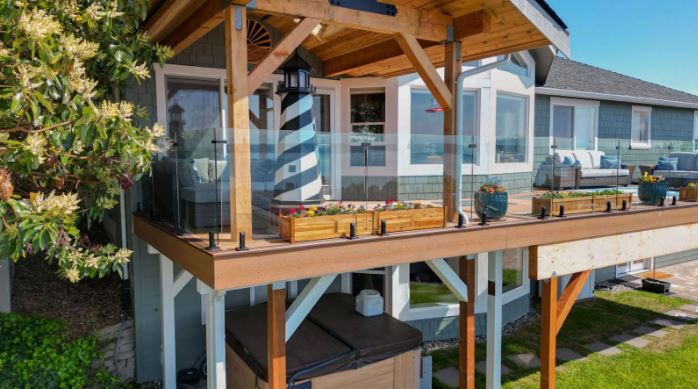
Building a deck in your backyard is a great idea. But before you grab your tools, it’s super important to make sure your deck is safe and follows all the rules. A shaky or unsafe deck can lead to injuries or even collapse.
In this guide, we’ll walk you through how to design a deck that’s strong, safe, and built to last. From planning your layout to choosing the right materials and passing final inspections, we’ll keep it simple, clear, and easy to follow. Whether it’s your first DIY project or you’re just brushing up, we’ve got your back.
Understanding the Basics of Deck Design
Designing a safe and compliant deck structure starts with understanding the basics of deck design. Before you begin your deck installation San Diego, it’s important to know what makes a deck strong, safe, and built to last. This helps you avoid common mistakes that can cause damage or even accidents later on.
Why Safety Comes First
Your deck is an outdoor space where you and your family will spend time relaxing, eating, or having fun. Because it holds weight and people, it needs to be stable and safe. A poorly designed deck can wobble, break, or collapse, which can lead to serious injuries. That’s why knowing the basics helps you plan and build something strong.
Picking the Right Spot and Materials
Where you build your deck matters a lot. You want a flat, well-drained area that doesn’t collect water or have too much shade, which can cause wood to rot. Also, choosing the right materials like pressure-treated wood or composite decking helps your deck last longer and resist weather damage.
Following Building Codes
Every city or town has rules about how decks should be built. These are called building codes, and they make sure decks are safe for everyone. They cover things like how deep the posts should be in the ground, how high the railings need to be, and how strong the stairs must be. Checking these codes before you start saves you time and money.
Common Causes of Deck Failure
Decks can fail because of weak foundations, rotting wood, or fasteners that rust or loosen over time. By understanding these risks, you can design your deck to avoid them, using better materials and proper construction methods.
Planning Your Deck with Safety in Mind
When it comes to designing a safe and compliant deck structure, careful planning is key. Taking the time to plan your deck with safety in mind helps prevent costly mistakes and keeps everyone secure once your deck is built. Let’s break down the important steps to plan a deck that’s both fun and safe.
Check Local Building Rules First
Before you put any plans on paper, contact your local building department or visit their website. Every area has specific building codes and permit requirements for decks.
These rules explain how tall your deck can be, how strong it needs to be, and what kind of railings and stairs are required. Getting this info early ensures your deck passes inspections without hassle.
Decide on Size and Layout Carefully
Think about how you plan to use your deck. Will it hold a big group for parties, or just a small seating area? The size and shape of your deck affect its safety. A larger deck needs stronger support, while a deck with stairs and multiple levels needs extra attention to prevent falls. Planning a clear, simple layout reduces risks and makes construction easier.
Design Safe Stairs and Railings
Stairs and railings are two parts of your deck where safety really matters. Railings need to be tall enough and close enough together to stop people, especially kids, from slipping through. Stairs should have consistent step heights and handrails for support. Planning these details ahead means you’ll build a deck everyone can use safely.
Plan for Drainage and Ventilation
Water can cause wood to rot and weaken your deck’s structure over time. Make sure your design allows water to drain away and air to flow under the deck. This keeps the wood dry and strong, reducing maintenance and safety issues in the long run.
Building a Strong Foundation and Frame
A safe and compliant deck structure begins with building a strong foundation and frame. This is the backbone of your deck; it supports all the weight and keeps everything stable. If the foundation or frame is weak, the whole deck could become unsafe, so it’s important to get this part right.
Choosing the Right Footings
Footings are the concrete bases that hold up your deck’s posts. They need to be deep enough to reach below the frost line to prevent shifting during freeze-thaw cycles. This depth varies depending on where you live, so check local building codes. Proper footings keep your deck steady and prevent it from sinking or leaning over time.
Using Treated Wood and Durable Fasteners
The frame is usually made from wood, but not just any wood. Pressure-treated lumber is the best choice because it resists rot, insects, and weather damage. Also, use corrosion-resistant fasteners like galvanized or stainless-steel nails and screws. These materials last longer and keep your deck solid.
Correct Joist and Beam Spacing
Joists and beams are the horizontal boards that make up the deck’s frame. Spacing them correctly is crucial for strength. Joists that are too far apart can cause the deck surface to feel bouncy or even crack. Most building codes give specific spacing guidelines; usually 16 inches on center for joists. Following these rules keeps your deck sturdy and comfortable.
Securing the Ledger Board Properly
If your deck attaches to your house, the ledger board is the piece that connects it. It must be secured tightly with the right bolts and flashing to keep water out. A poorly installed ledger board is a common cause of deck failures, so make sure this step is done right.
Final Checks for Code Compliance and Safety
Once your deck’s built, the last step in designing a safe and compliant deck structure is making sure everything meets safety standards and building codes. This final review helps catch any mistakes before you start using the deck, keeping you and your family protected.
Schedule Inspections and Get Permits
Before you finish, it’s important to get the required inspections from your local building department. Inspectors will check that your deck follows all the rules, like proper footing depth, railing height, and stair safety. Having the right permits and passing inspections means your deck is officially approved and safe.
Double-Check Railings and Guardrails
Railings are a critical safety feature. They need to be the right height; usually at least 36 inches; and the spaces between balusters should be small enough to keep kids from slipping through, typically no more than 4 inches apart. Make sure the railings feel secure and don’t wobble when you push on them.
Ensure Safe and Slip-Resistant Stairs
Stairs should have consistent step heights and depths to prevent trips and falls. Handrails on stairs are required by code and provide important support. Consider adding non-slip treads or finishes, especially if your deck gets wet or icy in winter.
Plan for Ongoing Maintenance
Even a well-built deck needs regular upkeep. Check for loose boards, rusted fasteners, and signs of rot or wear every year. Keeping your deck in good shape prevents safety hazards and extends its life.
Conclusion
Designing a safe and compliant deck isn’t hard when you plan smart and follow the rules. With strong materials, good design, and local code checks, your deck will be safe and ready for fun. Now go build with confidence and enjoy your safe new space outdoors.
Write and Win: Participate in Creative writing Contest & International Essay Contest and win fabulous prizes.
About the Author