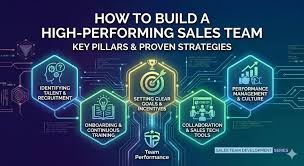
Scaling a modern enterprise is a complex puzzle that requires precision, strategy, and the right people. In today’s highly competitive business landscape, leaders often invest heavily in sophisticated top-of-funnel strategies to capture market share. Understanding how to generate more business leads is certainly a foundational step for optimizing revenue in any expanding organization. However, driving traffic and analyzing data is only half the battle. To truly scale operations and secure long-term success, organizations must back up their marketing efforts with a specialized, high-performing sales team capable of converting that initial interest into tangible revenue.
The Hidden Financial Risks of Poor Retention
Building this critical revenue engine is incredibly challenging, and the stakes for getting it wrong are exceptionally high. The sales industry is notorious for high attrition rates, which can rapidly drain company resources and disrupt growth momentum. Turnover on sales teams is often significantly higher than the overall labor force, leading to severe disruptions in the revenue pipeline. Even more concerning is the massive financial impact on the organization. According to U.S. Department of Labor data, a bad hire can cost your business 30 percent of the employee’s first-year earnings, a figure that can skyrocket if a specialized sales role remains vacant or damages client relationships.
Because specialized business-to-business roles require a highly specific blend of industry knowledge and closing ability, generic recruitment strategies frequently fall short. To avoid these costly mistakes and protect their bottom line, forward-thinking organizations often partner with an expert sales hiring company to ensure they source, evaluate, and onboard the right talent the first time around. Outsourcing this critical function allows enterprise leaders to mitigate the risks of bad hires while focusing their internal energy on high-level operational strategy rather than getting bogged down in endless resume screening and preliminary interviews.
Core Pillars of a Scalable Sales Team
Once the right talent is secured, enterprise leaders must build an internal infrastructure that supports consistent, long-term growth. A high-performing sales unit does not rely on individual superstars alone. Instead, it thrives on repeatable processes, structured management, and clear expectations that guide every interaction with a prospect.
There are several key elements required to scale a modern sales organization effectively:
- Standardized Onboarding: A robust and structured training program significantly reduces the time it takes for new hires to reach full productivity. This process ensures that every representative intimately understands the product suite and target buyer persona from their very first week.
- Data-Driven Performance Metrics: Moving away from purely outcome-based tracking allows managers to monitor vital leading indicators. Tracking daily activities, conversion rates, and overall pipeline health helps leaders identify coaching opportunities well before quarterly targets are missed.
- Continuous Skill Development: The modern buyer is highly educated and expects a consultative selling approach. Providing ongoing training on negotiation, emotional intelligence, and shifting industry trends keeps the sales team sharp and adaptable.
- Clear Career Pathways: Retention improves drastically when employees see a tangible future with the organization. Outlining the specific milestones required for promotions or leadership roles motivates representatives to perform consistently over the long haul.
Aligning Sales Operations with Broader Enterprise Goals
A common pitfall for rapidly expanding enterprises is allowing departments to operate in isolated silos. A high-performing sales team cannot function properly if it is disconnected from marketing, customer success, or product development. Cross-functional alignment is absolutely critical for achieving truly scalable growth and maximizing operational efficiency.
When sales and marketing teams collaborate closely, the overall quality of leads improves dramatically. Sales representatives can provide valuable frontline feedback on customer pain points, which then allows marketing teams to refine their messaging and target more qualified prospects. Similarly, a strong relationship between sales and customer success teams ensures a smooth transition for the client after a deal closes. This seamless handoff boosts long-term client retention and sets the stage for future upsells or renewals.
Modern business leaders must actively foster a culture of communication across all of these departments. Utilizing shared customer relationship management software, hosting regular alignment meetings, and establishing shared key performance indicators help break down traditional corporate barriers. When everyone in the organization is working toward the exact same revenue targets, the enterprise can grow at a much faster and far more sustainable pace.
Building a top-tier sales team requires a deliberate approach that honors the financial weight of talent acquisition. By investing in expert recruitment, standardizing performance metrics, and demanding cross-departmental alignment, business leaders can build a resilient revenue engine that drives their enterprise forward in a competitive marketplace.
Write and Win: Participate in Creative writing Contest & International Essay Contest and win fabulous prizes.
About the Author