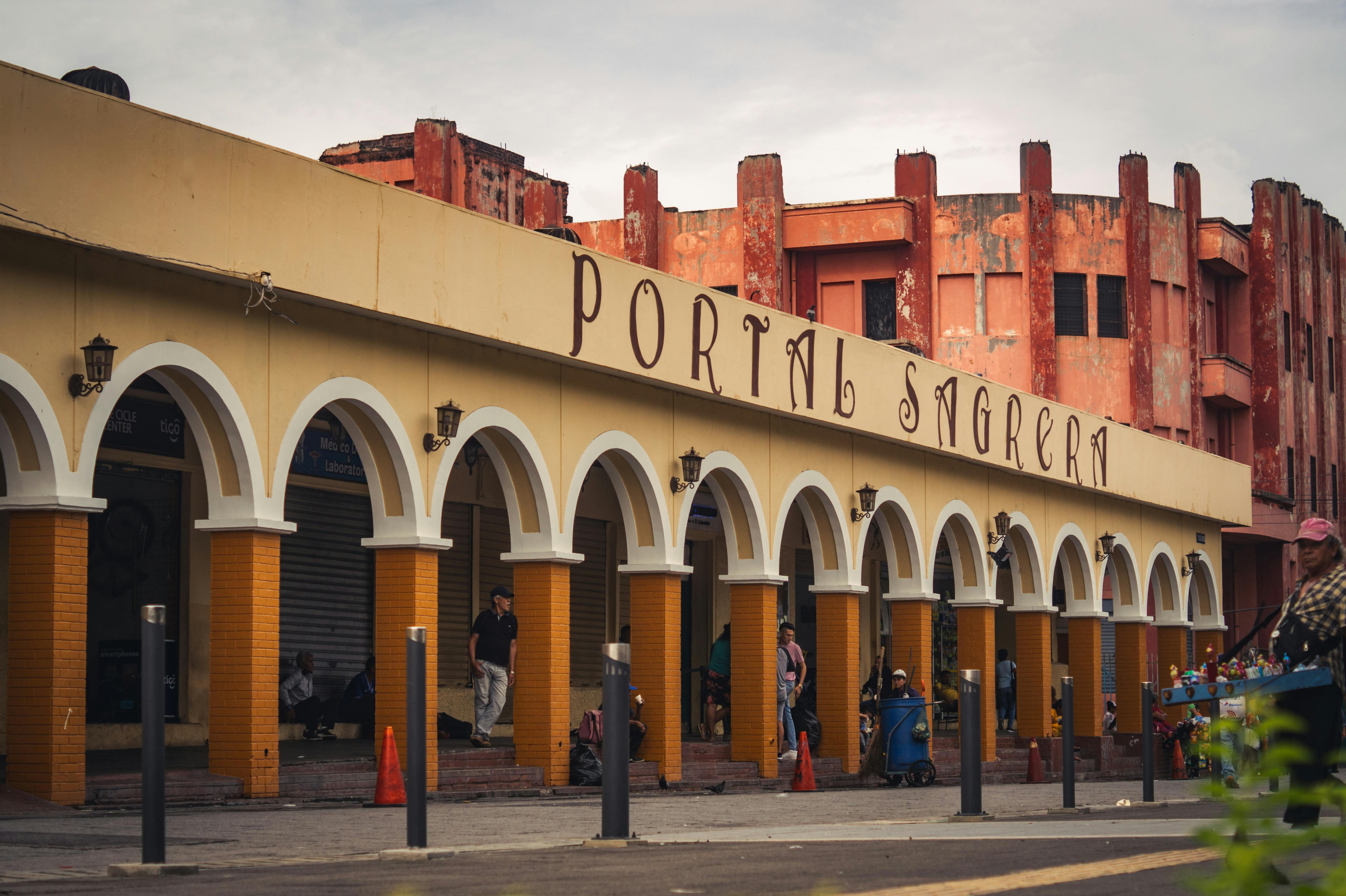
El Salvador has long been a country at the forefront of bitcoin adoption. While not all its ventures have been successful, it still pushes ahead with the currency. So, how is it holding onto its bitcoin dream, and what comes next?
In a bold and forward-thinking move, in 2021, El Salvador became the first country to accept bitcoin as legal tender. It became compulsory for shops and businesses to accept cryptocurrency as payment for everything from consumer goods to payments for taxes. The concept was instigated in a bid to increase financial inclusion and boost private investment.
El Salvador’s Adoption of Bitcoin
The move was a gamble for El Salvador, not because of any problems with bitcoin or cryptocurrency, but because of the cracks in its own economic status. A country with little industry other than agriculture and often plagued by natural disasters, its $34.02 billion GDP was already on a knife-edge.
The current bitcoin price is hovering around the $107,852 mark, where it has remained for some weeks. Despite previously reaching record highs of over $111,000, the price has stagnated. This has mainly been down to a lack of Bitcoin on exchanges, as companies, exchange-traded funds, and even countries now race to buy it up.
In this respect, this seems like El Salvador may have been ahead of the curve. Yet even before the government’s sweeping changes, bitcoin had been used in El Salvador at a small town known as El Zonte. Now known as Bitcoin Beach, it was the real first place where wholesale crypto adoption was tested.
El Salvador’s Current Bitcoin Plans
El Salvador’s forays into cryptocurrency seemingly ended in February 2025, when the International Monetary Fund bailed out El Salvador to the tune of $1.4 billion. In exchange, the country had to curb many of its new rules and regulations surrounding the acceptance of cryptocurrency.
One project that is gradually being phased out as a result is the government’s involvement in the Chivo wallet. This was the official bitcoin wallet of El Salvador, which allowed people to make their general transactions. Businesses were also not obliged to accept the currency, and it no longer had the strength of legal tender. Businesses can accept it if they wish, but it can not be used to pay for taxes and state bills.
In truth, even the President admitted it had been one of their most unpopular policies. A survey suggested that 92% of citizens had not even used Bitcoin in the space of a year. The remainder said they had only done so around 14 times per annum. Instead, many chose to use the US dollar as the preferred currency.
However, by no means was it the end, and El Salvador still has ambition at the forefront of its agenda. In February, President Bukele met with Strategy CEO Michael Saylor. The focus was on how El Salvador could install Bitcoin nodes in houses, in a bid to accelerate worldwide adoption.
In January, the country hosted the PLANB Forum. This was a meeting of those in the crypto assets sphere based in Central America. Here, they announced their plans to buy more Bitcoin. They did this in March and now hold around 6,102 coins.
What has made El Salvador unique is that, unlike most countries, it does not have its own currency. Instead, in 2001, it adopted the US dollar. This puts the country in a unique position because crypto is not competing with its own currency and central banking system. Much of the population also does not have a bank account, so bitcoin allows people to make electronic payments from their mobile devices.
Global Lessons to Be Learned
One of the main lessons is that the general population can not be forced to use bitcoin. In El Salvador’s case, people had no reason to switch to a different currency. Even without access to banking, USD was working fine for most of the population. Despite the government’s insistence, it needed to be something that was naturally adopted, much as it had been in the testbed of El Zonte.
The world must also not look at this as a failed experiment. El Salvador now has the benefit of experience behind it. Perfectly positioned, it can advise countries and states on what went right and what went wrong. This information could be invaluable to places such as Bhutan, which are trying to align themselves as crypto tourism havens and attract investment as they do so.
In many ways, El Salvador remains at the forefront of innovation. Mass adoption did not work, but it has tried and can learn. Bitcoin is still widely accepted, and it may just be time that people need as they switch from fiat to digital currencies. Should tourism boost the country’s coffers, particularly bitcoin tourism, this may instigate a shift. El Salvador may become the bitcoin hotspot of the world yet.
E-E-A-T analysis
View details – click here
85%
| Order ID | 64737 | |
| Orderlink ID | 275194 | |
| Link | monomousumi.com | |
| Language | English |
| current bitcoin price found 1 time(s) | |
| https://www.okx.com/price/bitcoin-… |
Write and Win: Participate in Creative writing Contest & International Essay Contest and win fabulous prizes.
About the Author