From Identification to Clearance: Understanding the Full Process of Asbestos Removal
Asbestos remains one of the most significant hidden hazards in older buildings. Even though it has not been used in modern construction for many years, it still exists in countless homes, commercial sites, and industrial properties built during a period when it was considered durable and reliable. The true danger appears when the material is disturbed. Fibres can be released into the air, posing a health risk that requires careful, informed management.
Understanding asbestos removal from beginning to end is essential for anyone involved in renovation, demolition, or maintenance. The process involves far more than simply removing a material. It follows a structured sequence: identification, testing, assessment, safe removal, and final clearance. Each step protects people, preserves the environment, and ensures that the building is ready for future use.
Identifying Where Asbestos May Be Hidden
The first step is recognising where asbestos may be present. Many older buildings contain asbestos in common building materials such as wall sheeting, roofing panels, insulation, vinyl tiles, textured coatings, and backing boards. These materials were widely used because they resisted heat and reinforced structures.
The difficulty is that asbestos cannot be identified simply by looking at it. A professional inspection is essential. A licensed assessor or hygienist inspects the site, looking for materials that match known asbestos profiles. They document the location, condition, and likelihood of disturbance.
This inspection creates a clear understanding of potential risks and gives property owners the information they need to take the next steps with confidence.
Taking Samples and Testing
Once potential asbestos materials are identified, samples must be collected for laboratory testing. This stage is highly controlled. A licensed specialist removes small sections of material while using safe techniques that prevent fibres from becoming airborne.
Samples are sealed, labelled, and sent to an accredited laboratory. Testing uses advanced microscopy to determine whether asbestos is present and identifies the specific type. This is important because different types have different risk levels and require specific handling procedures.
Testing removes any guesswork. It ensures that decisions about removal or management are based on scientific evidence.
Assessing the Level of Risk
After testing confirms the presence of asbestos, a risk assessment is carried out. This process considers the condition of the material, its location, and the planned activities for the property. Asbestos that is intact and sealed poses far less risk than material that is crumbling, damaged, or placed in an area where it is likely to be disturbed.
The assessor prepares a report outlining whether the asbestos needs to be removed or can remain safely if left undisturbed. This stage helps ensure that responses are measured and appropriate. Not every discovered material requires immediate removal.
A clear assessment also prevents unnecessary work and helps property owners prioritise safety and long-term planning.
Planning the Removal Process
When removal is required, preparation is one of the most important phases. A detailed plan is created to outline how the work will be completed safely. This includes establishing exclusion zones, selecting protective equipment, planning waste transport routes, and defining the removal sequence.
Clear communication is vital. Contractors inform building occupants, neighbours, and workers about the planned schedule. They create controlled work areas by sealing sections with physical barriers. Ventilation systems may be adjusted or isolated.
Only licensed asbestos removalists can carry out this stage. Their training equips them with specialised removal techniques that minimise fibre release. They use gentle handling methods and controlled tools to safely manage the material.
Containment and Environmental Control
During removal, the focus shifts to maintaining complete control over the work area. Every action is designed to prevent asbestos fibres from escaping into surrounding spaces.
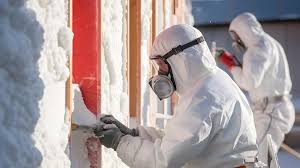
Plastic sheeting is used to seal walls, floors, and openings. Negative pressure units keep air moving inward rather than outward. High-efficiency particulate filters trap airborne particles. Workers wear protective suits, gloves, and respirators.
These measures provide reassurance that the work is being done responsibly. They also protect nearby residents and workers from accidental exposure. Consistent supervision ensures that procedures remain effective throughout the project.
Removing and Transporting the Waste
The physical removal process is completed with precision. Materials are kept damp to prevent dust and are lifted gently to avoid breakage. Once removed, each piece is sealed in approved containers.
Asbestos cannot be taken to standard waste sites. It must be transported to licensed facilities that follow strict handling procedures. Contractors use secure vehicles that prevent leakage or fibre release during transport.
This step ensures that asbestos does not re-enter the environment and that disposal complies with all safety requirements.
Air Monitoring and Clearance Inspection
After removal is finished, the site undergoes thorough air monitoring and visual inspection. Independent hygienists check for airborne fibres and evaluate surfaces for any remaining traces of asbestos.
If the results meet safety standards, a clearance certificate is issued. This certificate confirms that the area is safe for use and that all work has been completed in accordance with the required procedures.
Clearance marks the final point of reassurance for property owners. It verifies that the work has been completed correctly and that the building is ready for future occupation or further construction.
Setting the Standard for Safe Practice
The full asbestos management process demonstrates the importance of following structured procedures. Each stage verifies the work before moving to the next, creating a system built on accountability, safety, and environmental care.
Professionals across the country continue to refine these practices to meet the growing expectations of modern construction and renovation. Their work ensures that asbestos is managed responsibly and that buildings remain safe for years to come.
Get It Away is one example of a company that works with these principles in mind, supporting responsible asbestos management as part of safe construction and demolition practice.
Final Reflection
Asbestos management is a detailed process that requires knowledge, skill, and planning. Each step protects people and ensures that hazardous materials are handled with care. Understanding the journey from identification to clearance helps property owners make informed decisions and maintain safe environments.
When these procedures are followed correctly, asbestos management becomes a controlled, predictable process that removes risk and prepares the way for secure, sustainable building work.
About the Author