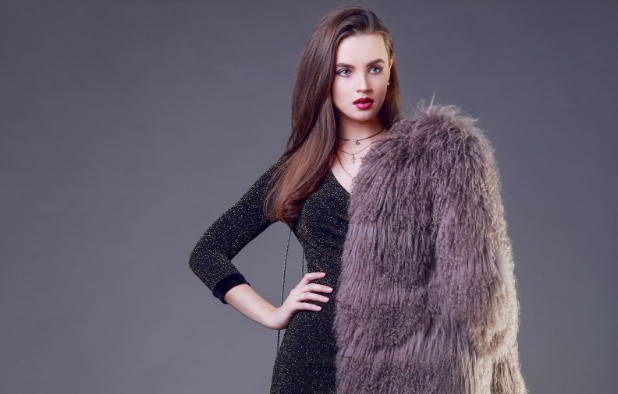
Fashion is a fast-evolving form of expression; however, modern consumers consider much more than style and trending clothing. With every purchase, they seek clothing that represents sustainable and ethical practices and responsible production. Faux fur fabric is a perfect example of this evolving attitude. Faux fur offers the luxury of fur without the ethical quandaries. Furthermore, it is versatile, cruelty-free, and stands out in modern fashion. The following text explains how ethical faux fur fabrics, and particularly faux fur, influence modern fashion choices.
The Role of Sustainability in Fabric Selection
The need to provide responsible, ethical, and sustainable faux fur fabric fashion has come to the forefront of fabric selection. All brands are trying to avoid waste, diminish their carbon footprint, and provide consumers with long-lasting garments. Ethical fabrics promote this goal and provide the opportunity to eco-design. By adding ethical fabrics to their collection, designers provide eco-conscious consumers with a sustainable option and eco-ethical fashion.
The Rise of Ethical Fashion in the Modern World
Ethical fashion is an approach that devotes responsibility to every single aspect of design and production. It entails the entire lifecycle of a fabric concerning the environment and the constituent social layers. In this light, more and more consumers are asking questions about the provenance of their clothing, and relinquishing their fashion paraphernalia to opaque brands. This new awareness pulse has encouraged fashion labels to rethink their material choices and has brought cruelty-free and sustainable practices to the forefront of their value systems.
What Are Ethical Fabrics in Fashion
Ethical fabrics are materials created with consideration for animals and the environment. These fabrics sidestep issues of animal cruelty and environmental harm and are produced under conditions of social equity. Ethical fabrics are designed to last and not encourage consumerist fast-fashion cycles. Ethical fabrics are designed and produced to last rather than encouraging consumers to purchase items that so frequently end up in the landfill. Ethical fabrics are a prominent consideration when bringing sustainably and responsibly manufactured clothing with style to consumers.
Faux Fur Fabric as an Ethical Alternative
Faux fur fabric, as a synthetic alternative to real fur, replicates the look and texture of fur while avoiding any animal-related issues. For this reason, it is an excellent choice for designers seeking to make elegant and fashionable pieces. Faux fur has the volume and warmth of real fur while providing designers with a cruelty-free alternative. It has become, and continues to be, a faux fur hat that is an excellent example of a style in the industry that has shifted focus to ethical concerns. It has become a great example of ethical style in the industry.
Why Consumers Are Choosing Faux Fur Over Real Fur
Having to face the consequences of their fashion choices and the ethical issues associated with the real fur industry are issues today’s consumers are smarter to tackle than ever before. Faux fur not only has the same look and feel as real fur, but is also more accessible and cheaper. The proactive shift towards faux fur illustrates and reaffirms the trends ethically, since consumers are demonstrating their overwhelming demand for this type of fashion.
Sustainable Faux Fur Fabric in Contemporary Design
Sustainable faux fur fabric is made using eco-friendly practices that incorporate low energy use and cut down on wasted materials. Modern practices make the production of faux fur more responsible than in the past by balancing aesthetics and ethical manufacturing. Design uses sustainable faux fur in outerwear, accessories, and key fashion items, allowing brands to showcase their eco-responsibility while satisfying the demand for quality fashion by purposefully made consumers.
How Ethical Fabrics Impact Fashion Brands
The use of ethical fabrics has transformed brand perception for many in the fashion sector. Choosing ethical materials such as faux fur communicates faux social responsibility and consumer distrust. Ethical fabric practices demonstrate a brand’s care for the people and the planet, which is growing in demand by responsible consumers. Combining ethical fabric and marketing with purpose creates a clear competitive advantage within the marketplace.
Faux Fur Fabric in Luxury and High-Street Fashion
The domain of ethical fashion is no longer restricted to small-scale production. High-end companies are starting to feature faux furs in their runway showcases. Meanwhile, popular retail brands are including it in everyday fashion. Faux furs are found in coats, jackets, and various fashion accessories, showcasing their versatility across different brands. This trend across fashion furs cements their presence as an essential material in ethical winter and seasonal fashion.
Consumer Awareness and Ethical Fashion Choices
Educational initiatives must empower consumers for ethical fashion to flourish. Shoppers of today take the time to investigate the type of materials used, how they are produced, and the degree of transparency brands maintain. Awareness, especially regarding social media, enables consumers to find harmony between their values and tastes. Faux furs, as ethical fabrics, are becoming more and more impactful in shaping consumers’ fashion choices, leading them to practices that are personally responsible and ethical.
The Support Behind Ethical Clothing
The values attributed to supply chain management in the fashion industry cannot be overstated. Without a fully informed supply chain, honest and trustworthy relations are impermissible. Companies like Global Fabric Wholesale guarantee the ability of designers to procure exemplary and ethically made fabrics, which, in turn, nurture and sustain the correct values and principles of ethical fashion.
Faux Fur Fabric and Innovation in Textiles
Ultimately, further improvement of ethical fabrics hinges on innovation. In the case of faux fur, the innovation has been to improve the feel, breathability, and overall durability, as well as the ability to retain its luxurious appearance for many years. Additionally, the technological innovations in the production of fabrics make faux fur an ethically produced, aesthetically pleasing, and comfortable, environmentally sustainable fabric.
Fabrics Based on Ethics and Affordable Fashion
Ethical Fashion Faux Fur has been a game-changer in the industry. This fur alternative provides the fur look without the heavy price and allows consumers the responsibility of making ethical and affordable lifestyle choices. Accessibility also helps people easily build a responsible wardrobe and develop. Their sustainable lifestyle choices. The combination of affordability and quality allows ethically made fabrics to reach the mainstream rather than staying niche.
Faux Fabric in Fashion’s Seasonal Trend
Faux fur plays a huge role in the seasonal top-wear choices, and is almost a mainstay in the winter season, where it plays a huge role in adding a totality of luxury, textural warmth, while it remains versatile enough for the other season in lighter fur, so to speak. This fabric is also a flexible fabric that supports a timeless design. This will give a slow, sustainable style rather than the quick, fast-fashion-inspired design. Production overplay, and subsequently, waste over released will be little.
Durability of Faux Fur and Ethical Fabrics
Durability is also at the centre of focus while making ethical fashion. Fabric that can withstand the cost impact will be at the centre of focus and will also help in reducing the environmental impact of waste on the fabric. Faux will need gentle cleaning to maintain its shape, structure, and softness of the fabric, and also sustain the lifestyle fashion practices.
Consumer Identity and Ethical Fabrics
The kind of clothing that a person wears speaks volumes about their identity and the values that they embrace, and with the rise of ethical fabrics, people can now wear their values on their sleeves. Faux furs mean that a consumer can now live and present a fashionable lifestyle, socially and environmentally responsible, and ethically conscious at the same time. Modern consumers have an even greater social conscience and therefore dedicate their spending to pieces that align with and advocate a cause, be it the care of animals, people, or the environment. Otherwise, they would burn social signals with pieces that slay the outfit but advocate nothing.
The Future of Ethical Fabrics in Fashion
The ethical fabrics that are now available have a greater influence on the industry than they did in the past, and this will only continue to increase. Faux fabrics have the promise of getting even better, more refined, and durable with less impact on the environment, and this is what the industry anticipates as the future of fabrics. At the core of this future will be responsible, informed consumer choice and ethical fabrics. Modern consumers are becoming more and more socially responsible, and they are consciously spending.
Conclusion
The fabrics that are available now have changed the way consumers are able to select and value the garments that they wear. Faux fabrics are now able to provide the consumer with the ability to wear garments that value their social conscience, as well as provide style. The consumers have ethical fabrics to thank for being able to obtain socially conscious fashion that showcases responsible sourcing from Global Fabric Wholesale and sustainable design. Ethical fabrics have changed modern wardrobes and will continue to offer beauty and social conscience with every new collection.
Write and Win: Participate in Creative writing Contest & International Essay Contest and win fabulous prizes.
About the Author