Mumbai
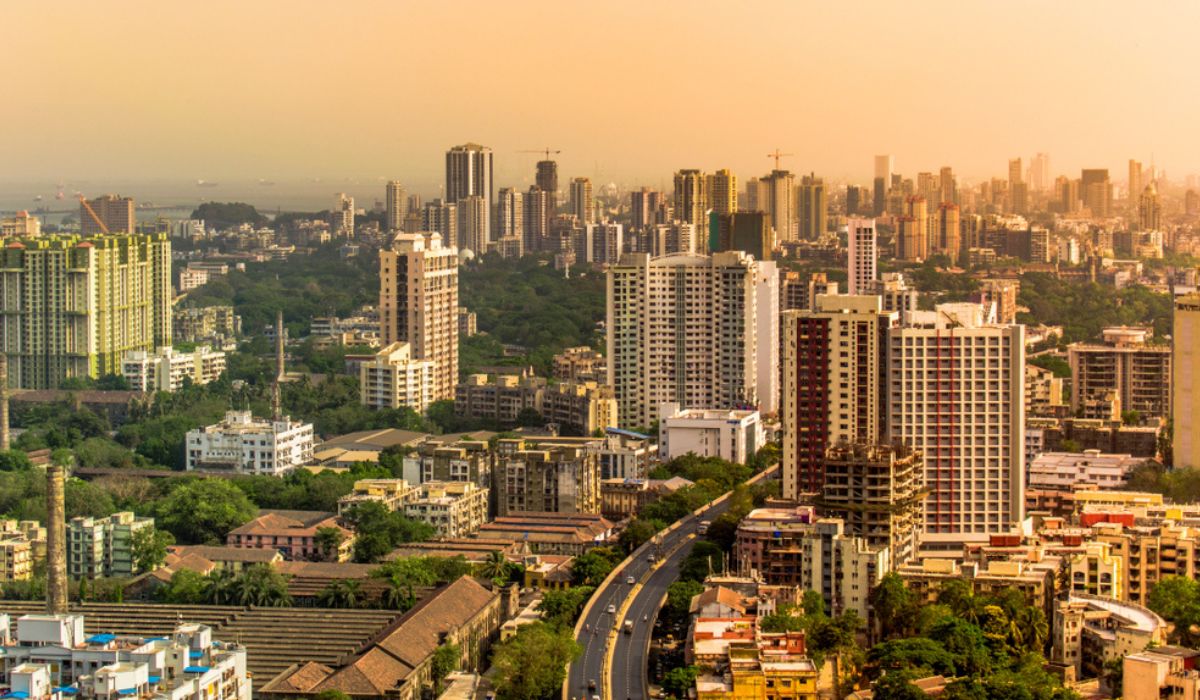
Mumbai, known as the “City That Never Sleeps”, is one of the most preferred locations in India for travel. Both the natives and foreigners appreciate its beauty and every magnificent sight it has to offer. From ancient wonders, medieval constructions, colonial architecture, and modern infrastructure, Mumbai is an amalgamation of it all, and this article elaborates on its examples and also provides a list of the best places in Mumbai, and also some fun facts about the metropoliton gaint that dominates in contributions in many sectors of the country.
Landmarks and Iconic sights:
- Gateway of India:
Standing at a height of 26 meters and made of yellow basalt, the structure was built to memorialize King George V and Queen Mary’s visit to Indian in 1911. The construction was delayed due to World War I, but was completed in 1924. It is known as the gateway because it served as a ceremonial entrance to ships carrying British officials and was also used to host parades.
It was also through here that the last of the British troops left the country in 1948, after it gained independence. In modern times, it is one of the most visited landmarks of India, and is also near the Taj Mahal Palace hotel and includes boat rides to another attraction, the Elephanta Caves.
- Chhatrapati Shivaji Maharaj Terminus (CSMT):
Initially called the Victorian Terminus (VT), the Chhatrapati Shivaji Maharaj Terminus is one of the busiest railway stations in the world, carrying over 3 million commuters and passengers every day. It was renamed in 1996 to honour the 17th-century warrior King, Maharaj Shivaji, and in 2004, it was declared a UNESCO World Heritage Site.
It is a blend of Gothic Victorian, and medieval Indian architecture, giving it a dark and mesmerising allure. It became the centre for a center for the Great Indian Peninsula Railway (GIPR) and joined the distant regions in India. The inner structures contain European gargoyles and stained glass windows that continue to captivate travellers.
- Elephanta Caves:
Speculated to be built in the 5th century, these caves hold significance in India’s ancient kingdoms and are also assumed to have been built under the Kalachuri dynasty or the early Rashtrakutas. When the Portuguese arrived in the 17th century, they named the island Elephanta because of the presence of an elephant statue near the shore, and now the monument is preserved in Mumbai’s Jijamata Udyan. A total of seven caves constitute the Elephanta Caves and are a combination of rock-cut sculpture and architecture, showcasing the talents and glory of ancient Indian craftsmanship.
It was recognised in 1987 as a UNESCO World Heritage Site and is central to the Elephanta festival, celebrated every February to honour the classical dance forms and music. The landmark is also protected by the Archaeological Survey of India (ASI), and all the caves stand as an epitome of Hindu sculptures, which sit depict the divine trinity Trimurti (three-headed Shiva) — a 20-foot-high strcture depicting the Creator (Brahma), Preserver (Vishnu), and Destroyer (Shiva). The caves also showcase other figures like Shiva as Nataraja, the Lord of Dance, Gangadhara (Shiva bringing the river Ganges to earth), and Ardhanarishvara (a half-male, half-female form of Shiva).
- Rajabai Clock Tower:
Located near the University of Mumbai, this clock tower is one of the most iconic sites in Mumbai. It was completed in 1878 and was inspired by the Venetian Gothic style and also by the Big Ben in London. It was funded by Premchand Roychand, and the structure gained its name after his mother, Rajabai.
He wanted her to know the time through the ring of the bell and allow her to follow her daily routines, despite her being blind. In 2018, it became a UNESCO World Heritage Site and has stood for higher education since colonial times. Though it had been closed for decades, it had been reopened recently to the public, and it is appreciated for its beautiful stained glass windows and carvings.
Beaches and waterfronts:
- Marine Drive:
Built during the pre-independence era, the Marine Drive is a breathtaking sight in Mumbai. It is also known as the “Queen’s Necklace” because it resembles pearls on a string, and also its prominent banana shape. It completed construction in the 1940s and also hosts the second-largest collection of Art Deco buildings in the world, second only to Miami, justifying how night hours are the best time to visit Mumbai.
It also represents modern culture as it is featured in many Bollywood movies, and a few of them are Munnabhai M.B.B.S. (2003), Fashion (2008), and Wake Up Sid (2009). The boulevard is popular for its aesthetics, and the best time to visit this location is from November and February.
- Juhu Beach:
Located in Western Mumbai in Juhu (a suburb), it is approximately a six-kilometre beach that gathers the attention of travellers. It is accessible through buses and trains and has nearby stations like Vile Parle, Santa Cruz, and Andheri. During colonial rule, it became a haven for both British and Elite Indian families, who built retreats along the beach. It is also said that Mahatma Gandhi walked along this beach during his visits.
And after independence, it slowly transformed into an admirable residential neighbourhood for celebrities and the wealthy. People prefer this space for their morning jogs and yoga during the morning, and at night, it is known for housing street food stalls. Though it faces issues like pollution, many efforts are being made to maintain cleanliness.
- Versova Beach:
This beach, although not as popular as the first two locations, is known for serenity. It lies north of Juhu Beach and is separated by a small creek. Versova is inhabited by the Koli fisherfolk and is also known as the fishing village beach. Their village is located adjacent to the beach and is known for housing vibrant boats, nets, and traditional practices that still exist and continue into modern day.
This cultural spin gives this location a unique identity, while Juhu Beach is known for being commercial, a contrasting sight of the past and the present. In 2015, it became popular for housing a citizen-led cleanup of the beach, which was led by environmentalist and lawyer, Afroz Shah. The cleanup resulted in the removal of 20 million kg of plastic, a sign of both reckless pollution and efforts to fix it.
Museums:
- Chhatrapati Shivaji Maharaj Vastu Sangrahalaya (CSMVS):
Formerly known as the Prince of Wales Museum of Western India and established in 1922, the structure is a combination of Marathi, Mughal, and Jain architectural styles. It was renamed in 1998 to honour the gallant ruler Shivaji Maharaj. It consists of and displays over 50,000 artifacts, but initially, it served as a hospital for the military and children’s welfare during World War I. It was designed by George Witett, the same man who designed the Gateway of India.
It houses works of art, and some of its collections include works like Tibetan paintings, Chinese porcelain, and the miniatures of the Mughal and the Rajputs that intrigue its viewers. It also has relics from different dynastic eras, like relics from the Gupta, Maurya, Chalukya, and Rashtrakuta periods. It also displays animal and plant specimens that paint a picture of India’s biodiversity. Having celebrated its 100th anniversary, the museum is known for cultural preservation and intricate design.
- National Gallery of Modern Art (NGMA):
This museum showcases the magnificence of India’s ancient glory and modern improvements. It was opened to the public in 1996 and is located in another culturally significant space, Sir Cowasji Jehangir Public Hall. It has high ceilings, large halls, and arched doorways that are designed in a charming style.
It includes all sorts of paintings across centuries in India, and notable artists include that are featured include K. H. Ara, F. N. Souza, S. H. Raza, M. F. Husain, Gaitonde, and many other prominent names. It also encourages both Indian and international artists and conducts programs, workshops, and seminars to further motivate and teach the importance of art and culture to the public.
Famous green spaces:
- Sanjay Gandhi National Park:
Known for being a vital trade route and located in urban Mumbai, this park, which spans over 87 kilometres, is attractive due to housing various biodiversity elements like over 1,000 plant species and many wildlife like sambar deer, spotted deer, and many species of birds. It was renamed in 1981 in order to recognise and appreciate the efforts of the late Sanjay Gandhi towards environmental conservation in India. It also consists of attractions like the Kanheri Caves, boating at Vihar Lake, enjoying Tulsi Lake, and other activities like hiking in its greenery.
- Hanging Gardens:
They are a historic retreat and are also known as Pherozeshah Mehta Gardens. It was established in 1881, and the main purpose of its construction was to protect the nearby water reservoir from pollution. The designer of the gardens, Ulhas Ghapokar, created them with terraced layouts and made them appear like they were ‘hanging’ from the above, to give the aesthetics of the Hanging Gardens of Babylon. This green park is known for having hedges trimmed and shaped as animals, a floral clock where its hands move over a bed of vibrant flowers, and other feasts for one’s eyes.
To conclude, Mumbai is a window to mesmerising sights that continue to captivate its viewers. It is one of the most populated cities in the world and has much to offer through its architectural and natural landmarks that travellers appreciate. From its cuisine, which can be enjoyed from high-end restaurants to street food stalls, to its cultural and historical prominence, Mumbai remains a space that allures everyone with its traditional and colonial architecture and landmarks.
Write and Win: Participate in Creative writing Contest & International Essay Contest and win fabulous prizes.
About the Author