Quick Summary
- IVF treatment is a fertility process where the egg and sperm are brought together outside the body, and the embryo is later placed into the uterus. That’s the simple version, though the actual journey has a few stages and a lot more questions attached to it.
- Knowing what happens beforehand helps. A lot, actually. When people first start reading about IVF, they’re usually juggling clinic visits, internet searches, cost worries, and all the “what ifs” running in the background, so understanding the steps early can make things feel less overwhelming.
- Medical readiness matters, but that’s only one piece of it. Preparing emotionally, managing expectations, planning finances, and figuring out how treatment fits into daily life all become part of the process, too.
- Success rates shift based on age, health, and fertility history.
- Support, honest communication, and a doctor you actually trust can make the whole thing feel less impossible.
Choosing fertility care is personal. For many people, this decision comes after months, sometimes years, of quiet worry and conversations that didn’t quite go anywhere. By the time you’re seriously researching IVF, you’ve probably already read more than you ever wanted to and still feel like you don’t have a clear picture.
Here’s the frustrating part, though. The more you read, the more scattered it gets. One article talks about success rates. Another’s all about hormone injections. Someone’s blog post describes an experience that sounds nothing like what your doctor mentioned. So you start feeling more confused. That’s exactly what this guide is trying to fix.
Understanding IVF: What It Is and How It Works
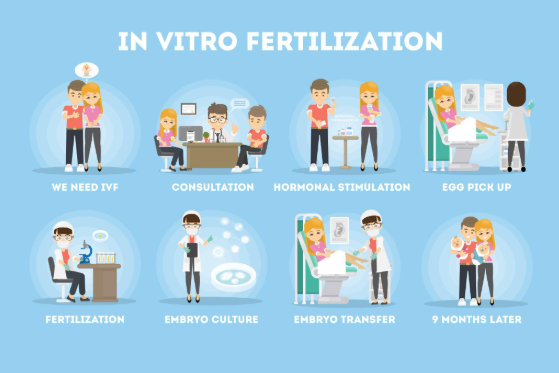
In vitro fertilisation is when eggs and sperm are combined in a lab to create embryos. One or more of those embryos are then transferred into the uterus. That’s the basic idea.
But the process itself? It’s not a single procedure you get done on a Tuesday and go home from. It happens in stages, over several weeks.
1. Ovarian Stimulation
First, medication helps the ovaries produce several eggs instead of just the one that a regular cycle releases. You’ll have regular blood tests and ultrasounds during this stretch so doctors can see how things are developing and adjust your meds if needed.
2. Egg Retrieval
Once the eggs are ready, a minor procedure collects them. It’s done with sedation, so you won’t feel it happening.
3. Fertilisation and Embryo Development
The eggs are combined with sperm in the lab. The fertilised eggs develop into embryos and are monitored for several days. Some make it. Some don’t. That part can be stressful to wait through.
4. Embryo Transfer
A selected embryo is placed into the uterus. Then comes the waiting to see if it implants itself. One cycle can take several weeks, start to finish. Worth knowing before you begin.
Preparing Before Starting IVF
Preparation gets skipped over in a lot of IVF guides. It really shouldn’t.
Understand Your Fertility Evaluation
Most clinics will want to run some tests before fertility treatment starts. Hormone levels, imaging, semen analysis, and full medical history. These aren’t just boxes to check. They help the care team figure out what’s actually going on and build a plan around your specific situation.
Review Lifestyle Habits
Nothing dramatic here. Eating reasonably well, getting consistent sleep, cutting back on alcohol, not smoking, and staying moderately active. These things won’t guarantee any particular outcome, but they support your body through what’s about to be a demanding few weeks.
Discuss Finances Early
IVF treatment is expensive. Medications alone can catch people off guard. Add in consultations, tests, and procedures, and the total climbs fast. Having an honest conversation about costs before you start means you’re not blindsided mid-cycle.
Prepare Questions
Write them down before your appointment. Seriously. Doctors move quickly, and it’s easy to forget what you wanted to ask once you’re actually in the room. Things worth asking:
- What tests do you recommend for my situation?
- What does the timeline typically look like?
- How many visits should I expect?
- What are our options if the first cycle doesn’t work?
What to Expect During IVF Treatment
Not knowing what’s coming is one of the hardest parts. Here’s what day-to-day actually tends to look like.
Frequent Monitoring
During stimulation, you’re in the clinic a lot. Multiple appointments in a short stretch. They’re checking follicle growth and tweaking medications based on what they see. It can feel like a part-time job for a few weeks.
Physical Changes
Hormonal medications hit everyone differently. Bloating is common. So are fatigue, mood shifts, and some general discomfort. Some people barely notice it. Others feel pretty rough. Both are valid, and both happen.
Waiting Periods
This is the part nobody warns you about enough. Waiting for test results. Waiting for embryo updates. Waiting after the transfer to find out if it worked. It’s a lot of sitting with uncertainty. And that doesn’t get easier just because you expected it, but at least it’s less of a shock when it comes.
The Emotional Side of IVF
IVF treatment isn’t just a medical process. It takes a real toll emotionally.
People describe swinging between hope and dread, sometimes in the same hour. That’s not being dramatic. That’s just what this experience does, and it’s worth naming that upfront.
Give Space to Your Feelings
There’s no correct way to handle it. Some people talk about it constantly. Others keep it private. Some days you’ll feel fine; other days you won’t. That’s all normal. What tends to backfire is pretending everything’s okay when it isn’t.
Talk to Your Partner
If you’re doing this with a partner, don’t assume you’re both processing it the same way. One of you might obsessively track every detail. The other might pull back and focus on what’s practical. Neither is wrong. But not talking about it can quietly create distance, and that’s the last thing you need right now.
Consider Professional Support
Fertility counsellors work with people going through exactly this. It’s not about being unable to cope. It’s about having somewhere to put everything you’re carrying so it doesn’t pile up.
Wrapping Up
Starting this process is genuinely hard. A lot of it’s unfamiliar, very little of it feels certain, and almost none of it goes exactly as planned. But understanding what IVF treatment involves before you begin means you’re not figuring it out in real-time while also managing the emotional weight of it.
Ask the questions you have. Find care you trust. Don’t treat the emotional side as secondary to the medical stuff, because it isn’t.
You don’t need to have it all figured out today. The next step you can take is consulting the best specialist at Femcare Fertility is enough for now.
Write and Win: Participate in Creative writing Contest & International Essay Contest and win fabulous prizes.
About the Author