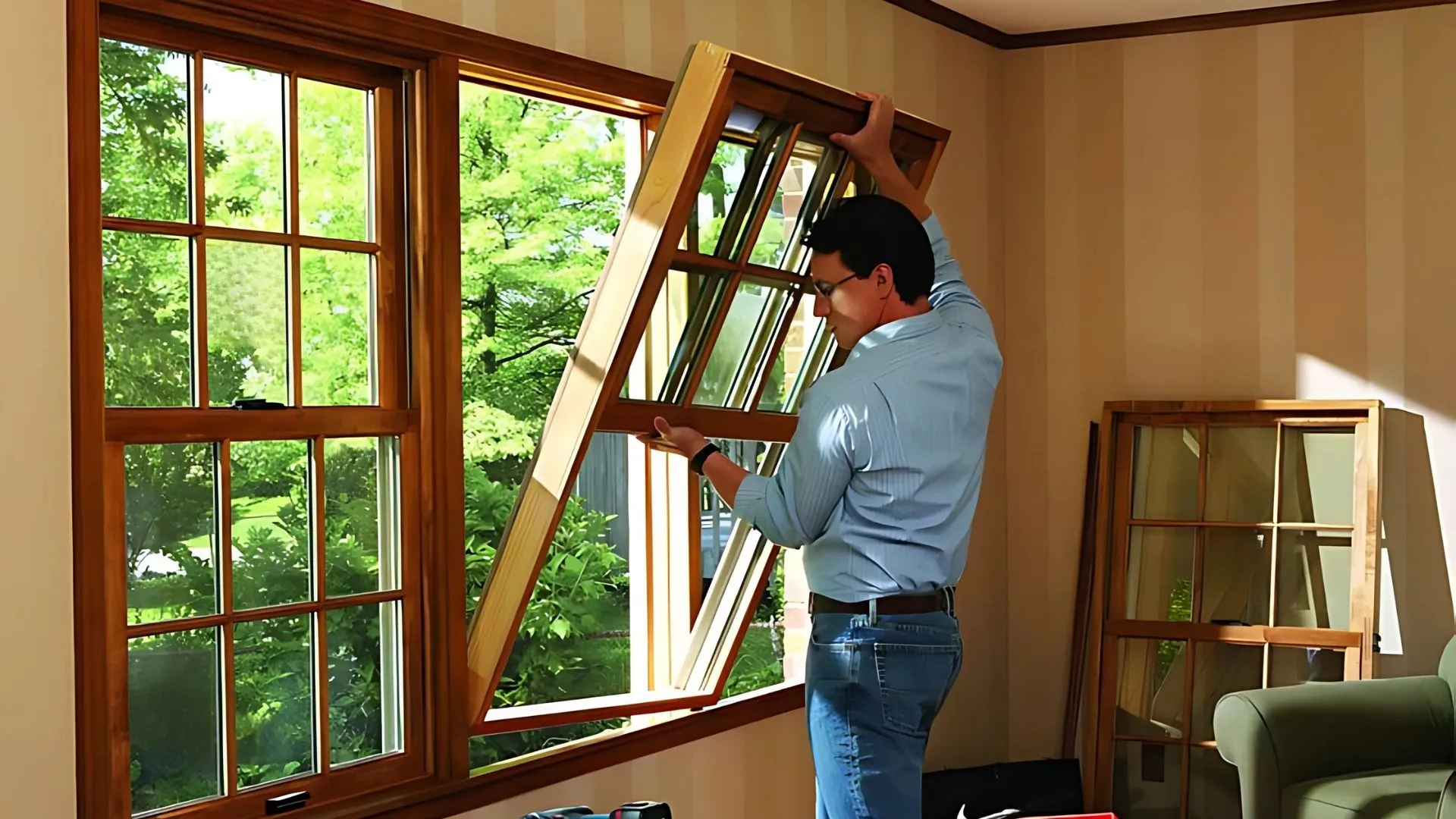
Understanding the Importance of Quality Windows
Why Investing in Quality Makes a Difference
When it comes to home improvement, the importance of quality home window installation cannot be overstated. Windows do far more than enhance appearance; they are essential to insulation, security, and sound control within your living space. Choosing well-crafted windows typically means benefiting from advanced engineering, durable materials, and precise manufacturing. While lower-cost options may seem appealing initially, they often result in increased upkeep, reduced energy efficiency, and potential safety concerns over time. By selecting reputable window products and ensuring proper installation, you improve indoor comfort while safeguarding the long-term value of your home.
Energy Efficiency: A Window to Your Home’s Savings
One of the most compelling reasons to invest in quality windows is energy efficiency. With the rising costs of heating and cooling, homeowners are increasingly seeking ways to decrease their energy bills. High-performance windows equipped with gas fills, low-emissivity (Low-E) glass coatings, and superior insulation can greatly minimize heat loss during winter months and reduce heat gain in summer. This dual action stabilizes indoor temperatures, thereby easing the strain on your HVAC systems. In addition to lower utility bills, many homeowners are pleasantly surprised to find that government rebates often accompany energy-efficient upgrades, providing an additional financial incentive. Thus, quality windows are not merely an expense; they are an essential investment that pays dividends in both savings and comfort over time.
Boosting Aesthetic Appeal: More Than Just Functionality
While functionality is crucial, the aesthetic appeal of windows can dramatically enhance the overall appearance of a home. Quality windows come in a variety of styles, colors, and materials that can complement any architectural design, from classic to modern. Large picture windows can maximize natural light, creating a warm and welcoming atmosphere, while intricately designed sash windows can add character and charm to vintage homes. Additionally, enhancing curb appeal can significantly increase a property’s market value. First impressions matter, and the right windows can make all the difference acting as a key focal point that draws the eye and captivates potential buyers. By choosing quality windows tailored to your home’s unique aesthetics, you not only elevate your living space’s ambiance but also fortify your investment over time.
The Essential Preparation Steps Before Installation
Gathering the Tools of the Trade: What You’ll Need
Before undertaking a window installation project, it is crucial to be fully equipped with the appropriate tools and materials. Commonly required tools include a measuring tape, level, pry bar, utility knife, caulk gun, drill, and fasteners. If you are replacing windows, a reciprocating saw or a jigsaw might also be necessary for removing old frames. Safety equipment, such as goggles, gloves, and a sturdy ladder, should never be overlooked. In addition to physical tools, having the right materials on hand like flashing tape, shims, insulation foam, and caulking will ensure that the installation process runs smoothly. Preparation can mean the difference between a successful installation and one filled with delays and complications, so take the time to collect everything you need beforehand.
Measuring Up: Precision That Pays Off
Accurate measurements are critical in the window installation process, as improper sizing can lead to gaps and inefficiencies that compromise insulation and security. Begin by measuring the width and height of the existing window frame from inside the house. Take measurements at three different points (top, middle, and bottom for height; left, center, and right for width) to account for any irregularities in the wall structure. It’s recommended to measure to the nearest eighth of an inch for enhanced precision. Once you have your dimensions, it is wise to subtract a half-inch from both the width and height to allow for a snug fit when installing the new window. This attention to detail not only ensures proper installation but also contributes to the window’s functionality, longevity, and overall performance.
Choosing the Right Time: Weather Considerations
The timing of your window installation can significantly impact the success of the project. Ideally, you will want to choose a period of mild, dry weather to help ensure a smooth process and a proper seal. Extreme temperatures both hot and cold can affect the materials used during the installation, potentially leading to complications such as warping or failing seals. Furthermore, installing windows during inclement weather can expose your home to rain and moisture, which is detrimental during the transition. Spring and fall typically offer the most suitable conditions for window installation; however, always consult weather forecasts and try to plan around periods of expected precipitation. A well-timed installation can also minimize the disruption to your daily routine, making the entire process more manageable.
The Step-by-Step Guide to Window Installation
Removing the Old: The Art of Careful Extraction
Once you’ve adequately prepared and gathered your supplies, it’s time to begin the installation by removing the existing windows. Start by carefully removing any interior trim using a pry bar to protect the framing. Be cautious not to damage the surrounding walls, as this can complicate reinstallation. Next, detach any screws or fasteners holding the window in place, and carefully pry the window out of its frame. If the window is painted shut or sealed, scoring around the edges with a utility knife can break the seals without damaging the frame. Once the old window is removed, thoroughly inspect the opening for any signs of rot or damage, which should be addressed before the new window is installed. This meticulous approach in the removal process sets a solid foundation for a successful window installation.
Sealing the Deal: Ensuring a Proper Fit
Installing your new window requires strategic handling to ensure a proper fit, which is vital for performance and longevity. Start by inserting the window into the opening and positioning it to make sure it’s centered. Use wooden shims to provide support and maintain an even space around the window frame. With the window in place, check it with a level to confirm it is straight before fastening it securely. Once positioned correctly, drill and add screws or fasteners into the frame to hold it in place. After securing the window, the next critical step is to properly seal it with flashing tape and exterior caulk to prevent air and water infiltration. This step is significant for energy efficiency, ensuring that your new windows perform optimally against the elements. The goal is not just to replace the old window but to create a highly effective barrier that effectively enhances your home’s aesthetic and functional performance.
Finishing Touches: Trimming and Caulking Like a Pro
After successfully installing the window, the final aesthetics and sealing are paramount to achieving a perfect finish. Begin by reattaching or installing new interior trim to cover any gaps left around the window. This not only enhances the visual appeal but also seals any potential hollows that can affect insulation performance. Next, caulking should be applied around the exterior edges of the window frame, ensuring to choose a high-quality exterior caulk designed for weather resistance. Smooth the caulk bead using your finger or a caulking tool to create an even finish and ensure a tight seal. Furthermore, if any painting is necessary, ensure it is completed with waterproof exterior paint suitable for frames. These finishing touches might seem minor but play a significant role in completing your installation and protecting your investment against the elements.
Avoiding Common Pitfalls: Lessons from the Pros
Identifying Red Flags: What Could Go Wrong?
Even with proper preparation and execution, window installations can still encounter issues. One common red flag is noticing gaps around the window after installation, leading to drafts and potential water leakage. These gaps can arise from improper measurements or inadequate sealing. Additionally, failing to account for the slope of the wall can cause issues with water accumulation, leading to potential rot and mold growth. It is also crucial to be aware of any visible wear on the window frame or irregularities in the glass itself, which may indicate future problems. Always perform a thorough walkthrough post-installation, checking for these red flags to ensure that you address any concerns promptly before they morph into more significant issues down the road.
When to Call in the Experts: Signs You Need Help
There are instances where window installation may prove more complex than anticipated, leading to frustration and potential errors. If you find that your DIY skills are insufficient whether due to lack of experience or specialized knowledge consider bringing in professionals. Some signs to look for include encountering unexpected structural issues, needing to install custom-sized windows, or feeling uncertain about local codes and regulations. Additionally, if your home’s age presents unique considerations, such as historical preservation requirements, professional help can ensure you comply with regulations while maintaining the essence of your home. Doing so provides peace of mind that the installation will be done correctly, effectively reducing the risk of costly mistakes that might arise from DIY attempts.
Post-Installation Care: Keeping Your Windows in Top Shape
The installation process wraps up at the final inspection, but your responsibilities don’t end there. Once the windows are installed, caring for them is critical for sustaining their performance and longevity. Regular maintenance is essential, including cleaning the glass and frames with suitable materials that won’t cause damage. Additionally, inspect seals and caulk regularly to detect any cracks or leaks before they worsen. Keeping an eye on your windows will not only ensure energy efficiency but will also provide ample warning signs if repairs are needed. For extreme climates, consider adding storm windows for additional protection. By incorporating routine checks and preventive measures, you can maintain the efficiency, functionality, and aesthetic appeal of your windows for years to come.
Write and Win: Participate in Creative writing Contest & International Essay Contest and win fabulous prizes.
About the Author