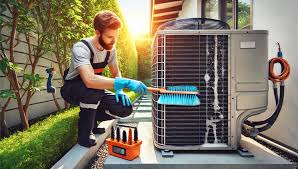
Air conditioning has become an essential part of modern living, especially in regions with hot climates. A well-functioning air conditioner ensures comfort by regulating indoor temperature and humidity. However, like any mechanical system, air conditioners can experience wear and tear, leading to various problems that require repair. Understanding the basics of Ac repair, common issues, maintenance tips, and when to call a professional can help homeowners keep their systems running efficiently and avoid costly breakdowns.
How Air Conditioners Work
Before diving into repair topics, it’s important to understand the basic components of an air conditioner and how they work together to cool your space. An air conditioning system primarily consists of:
- Compressor: Compresses the refrigerant gas and circulates it through the system.
- Condenser coil: Releases heat from the refrigerant to the outside environment.
- Evaporator coil: Absorbs heat from the indoor air and cools it.
- Expansion valve: Regulates refrigerant flow into the evaporator.
- Air filter: Removes dust and debris from the air.
- Fans: Circulate air over coils and throughout the indoor space.
The refrigerant cycles through these components, absorbing heat from inside your home and releasing it outside, which results in cooler indoor air.
Common AC Problems and How to Fix Them
- Air Conditioner Not Cooling Properly
One of the most common issues is an AC that runs but does not cool effectively. This can be caused by dirty air filters restricting airflow, low refrigerant levels due to leaks, or a malfunctioning compressor. Regularly changing or cleaning air filters often improves airflow. Refrigerant leaks need professional detection and repair followed by recharging the system. - AC Won’t Turn On
If the unit fails to start, possible causes include electrical problems like tripped circuit breakers, blown fuses, faulty thermostats, or capacitor failures. Resetting breakers or replacing fuses may solve simple issues, but electrical components should be inspected and repaired by a licensed technician to avoid safety hazards. - Strange Noises
Unusual sounds such as rattling, buzzing, or grinding indicate loose parts, debris in the system, or failing motors and compressors. Immediate inspection is necessary to prevent further damage. - Water Leaks
Pooling water around the indoor unit often results from clogged condensate drains or frozen evaporator coils. Cleaning the drain lines and ensuring proper refrigerant levels can resolve leaks. - Foul Odors
Musty or burning smells may indicate mold growth inside the system or electrical issues. Regular cleaning and prompt repairs help prevent unpleasant odors.
Maintenance Tips to Reduce Repair Needs
Regular maintenance is key to preventing breakdowns and prolonging the life of your air conditioner. Consider these tips:
- Replace or Clean Air Filters: Dirty filters reduce airflow and efficiency. Replace or clean them every 1 to 3 months.
- Clean Coils: Dust and dirt on evaporator and condenser coils reduce heat transfer, causing the unit to work harder.
- Keep Outdoor Unit Clear: Remove leaves, dirt, and debris around the condenser to maintain proper airflow.
- Check Refrigerant Levels: Low refrigerant affects cooling performance. Only licensed technicians should handle refrigerant.
- Inspect Electrical Components: Regularly check wiring and connections for signs of wear or damage.
- Schedule Professional Tune-Ups: Annual servicing can catch small problems before they turn into costly repairs.
DIY Troubleshooting for Minor Issues
Some minor AC problems can be resolved without professional help. Here are simple troubleshooting steps:
- Check Thermostat Settings: Ensure the thermostat is set to “cool” and at the desired temperature.
- Replace Air Filters: Clean or replace filters if dirty.
- Reset Circuit Breaker: If the unit won’t turn on, check and reset breakers.
- Clear Debris: Remove leaves or dirt blocking the outdoor unit.
- Unclog Drain Line: Use a wet/dry vacuum to clear clogged condensate drains.
If these steps do not solve the issue, it’s best to contact a professional.
When to Call an AC Repair Professional
Some repairs require specialized tools and expertise. Contact a professional if you experience:
- Refrigerant leaks or need a recharge
- Electrical problems or faulty wiring
- Compressor or motor failures
- Persistent water leaks or frozen coils
- Strange noises or odors that continue after cleaning
- Frequent breakdowns or performance issues
Attempting complex repairs without training can be dangerous and may cause further damage.
Choosing the Right AC Repair Service
To ensure quality repairs, look for a service provider who offers:
- Proper licensing and insurance
- Experience with your AC brand and model
- Positive customer reviews
- Transparent pricing and written estimates
- Availability for emergency service
Good communication and professionalism are essential for a satisfactory repair experience.
Energy Efficiency and Cost Savings
A well-maintained AC runs more efficiently, reducing energy consumption and lowering utility bills. Neglecting repairs can cause your unit to use more electricity and may shorten its lifespan. Investing in routine maintenance and timely repairs helps you save money in the long run.
Signs It’s Time to Replace Your Air Conditioner
Sometimes repair costs outweigh the benefits of fixing an aging unit. Consider replacement if:
- Your AC is over 10-15 years old
- Repairs are frequent and expensive
- The system struggles to maintain comfortable temperatures
- Energy bills are increasing despite proper maintenance
- Newer models offer significantly better efficiency and features
Consult with a professional to determine the best option for your situation.
Benefits of Timely AC Repair
Timely repairs help maintain comfort, improve air quality, and prevent damage to other system components. Addressing small issues early avoids emergency breakdowns during peak heat and reduces repair costs. Moreover, a fully functioning AC system contributes to better health by controlling humidity and filtering air pollutants.
Conclusion
Regular maintenance and timely AC repair are essential to keep your air conditioner running smoothly and efficiently. Understanding common problems and basic troubleshooting steps empowers homeowners to handle minor issues and know when to seek professional help. Choosing reliable repair services ensures that your system remains safe, efficient, and comfortable for years to come. By investing in proper care and repairs, you protect your comfort, reduce energy bills, and extend the life of your air conditioning system.
Keeping your air conditioner running smoothly requires a combination of regular maintenance, timely repairs, and knowing when to seek professional help. By understanding common problems and practicing simple upkeep, you can improve your system’s efficiency, extend its lifespan, and maintain a comfortable indoor environment. Proper care not only saves money but also ensures reliable performance when you need it most. Whether dealing with minor issues or major repairs, addressing problems promptly keeps your air conditioner working at its best year-round.
AC repair is vital for maintaining a comfortable living or working environment, especially during warm months. Understanding common problems, practicing regular maintenance, and knowing when to call a professional can save time, money, and stress. By investing in proper care, you ensure your air conditioning system operates efficiently, providing reliable cooling and peace of mind for years to come.
Write and Win: Participate in Creative writing Contest & International Essay Contest and win fabulous prizes.
About the Author