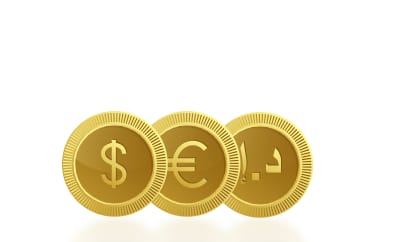
Planning an international trip often feels exciting until the money part suddenly becomes urgent. Many travelers find themselves searching for currency exchange near me just a day or two before departure, hoping to quickly sort out foreign cash without fully understanding the options. That rush usually leads to decisions based on convenience rather than value, which can quietly cost more than expected.
According to data from the Reserve Bank of India, outward remittances under the Liberalised Remittance Scheme have seen consistent growth over recent years, reflecting a steady rise in Indians traveling and spending abroad. Yet despite this increase, many first-time travelers still feel unsure about exchange rates, fees, and safer alternatives. That confusion is exactly what leads to last-minute choices that may not always be the smartest financially.
Why “Near Me” Isn’t Always the Best Option
Searching for the closest exchange service might seem logical when you are short on time, but proximity doesn’t always mean better rates or reliable service. Local exchange counters, especially those in high-traffic areas like airports or tourist hubs, often charge higher margins simply because they can.
When you’re in a hurry, you’re less likely to compare rates or ask the right questions. That’s where the problem begins. What looks like a quick solution can actually mean losing a noticeable amount of money in the form of poor exchange rates or hidden charges.
A slightly more thoughtful approach, even if done just a couple of days earlier, can make a real difference. Comparing a few providers or checking rates online usually reveals a better deal than what you’d get from the first nearby counter.
Understanding the Basics of Currency Exchange Rates
At first glance, exchange rates can feel confusing, but the basic idea is straightforward. There is always a base rate, which is the market rate, and then there is the rate offered to you, which includes a markup. That markup is where most providers make their profit.
What many travelers don’t realize is that even a small difference in rates can add up quickly, especially if you’re exchanging a large amount. For example, a difference of just one rupee per dollar may not sound like much, but over a few thousand dollars, it becomes significant.
Online platforms often give you a clearer view of rates before you commit, which helps you make a more informed decision instead of guessing at a physical counter.
Hidden Costs That Most People Ignore
The exchange rate is not the only cost involved. There are often additional charges that don’t get much attention until after the transaction is done. These can include service fees, conversion charges, and sometimes even commissions depending on how you pay.
Airport kiosks are especially known for bundling these costs into their rates, making it harder to figure out how much you’re actually paying. That lack of transparency is what makes last-minute exchanges expensive.
If you take a moment to read the fine print or ask a couple of questions, you’ll often find that what seemed convenient at first isn’t necessarily the most economical option.
Forex Cards as an Alternative to Physical Cash
Somewhere around this point, many travelers start considering alternatives, and this is where a forex card becomes relevant. Instead of carrying large amounts of cash, a forex card allows you to preload foreign currency and use it like a debit card while traveling.
It reduces the need to constantly worry about fluctuating rates since you lock in the rate at the time of loading. It also adds a layer of safety because losing a card is far less risky than losing cash, especially when you can block it instantly.
Platforms like MakeMyTrip Forex have made this option more accessible by allowing users to compare rates, order cards, and even get doorstep delivery in some cases. That convenience alone takes away a lot of the stress associated with last-minute currency arrangements.
When to Choose Cash vs Card vs Both
There isn’t a single right answer here because every trip is different. Carrying some amount of cash is always useful, especially for small expenses like taxis, tips, or local markets where cards might not be accepted.
At the same time, relying entirely on cash is not ideal either, particularly for longer stays or expensive transactions. That’s where forex cards or even international debit and credit cards come into play.
Most experienced travelers tend to use a mix of both. A reasonable amount of cash for immediate needs and a forex card for everything else usually offers the best balance between convenience and cost.
Quick Checklist Before Finalizing Your Currency Option
Before you make a final decision, it helps to pause and think through a few practical points. How much currency do you actually need? Are you getting a competitive exchange rate? Are there any additional fees you might be overlooking?
Checking these things doesn’t take long, but it prevents unnecessary expenses later. It also gives you a sense of control instead of feeling rushed into a decision.
Even something as simple as comparing rates online through platforms like MakeMyTrip Forex can give you clarity and confidence before you proceed.
How Travel Booking Platforms Add Convenience
Over time, travel platforms have started integrating currency services into their offerings, making the entire process smoother. Instead of juggling between multiple providers, you can handle bookings, currency exchange, and forex cards in one place.
Real-World Situation: A Traveler’s Last-Minute Decision
Imagine someone flying out in two days, suddenly realizing they haven’t arranged foreign currency yet. The immediate reaction is to search for the nearest exchange counter and get it done quickly.
In that moment, there is little time to compare rates or explore alternatives. The transaction happens, the currency is collected, and everything seems fine until later when they realize they paid significantly more than necessary.
Now compare that with someone who planned just a bit earlier. They checked rates online, ordered a forex card through MakeMyTrip Forex, and kept a small amount of cash as backup. The difference in cost and peace of mind between these two scenarios is quite noticeable.
Final Thoughts on Choosing Convenience vs Value
Rushing into the nearest option often feels easy, but it rarely offers the best value. Taking a little time to compare, understand rates, and consider options like forex cards can save both money and stress. A balanced approach, combining planning with convenience, usually leads to a smoother and more cost-effective travel experience.
Write and Win: Participate in Creative writing Contest & International Essay Contest and win fabulous prizes.
About the Author