Strength and stability are essential in any construction project, whether it involves structural framing, shelving, cabinetry, or outdoor timber builds. One of the most effective yet often overlooked components that help achieve this stability is the corner bracket. These simple metal fixings reinforce joints where two materials meet, helping structures resist movement, weight, and long-term wear.
Corner brackets, also known as angle brackets, are widely used across construction and carpentry because they provide a straightforward way to strengthen joints. By supporting connections at right angles, they help prevent shifting, twisting, or separation between materials. For builders and DIY professionals alike, understanding how to use corner brackets correctly can significantly improve the durability of a project.
What Are Corner Brackets?
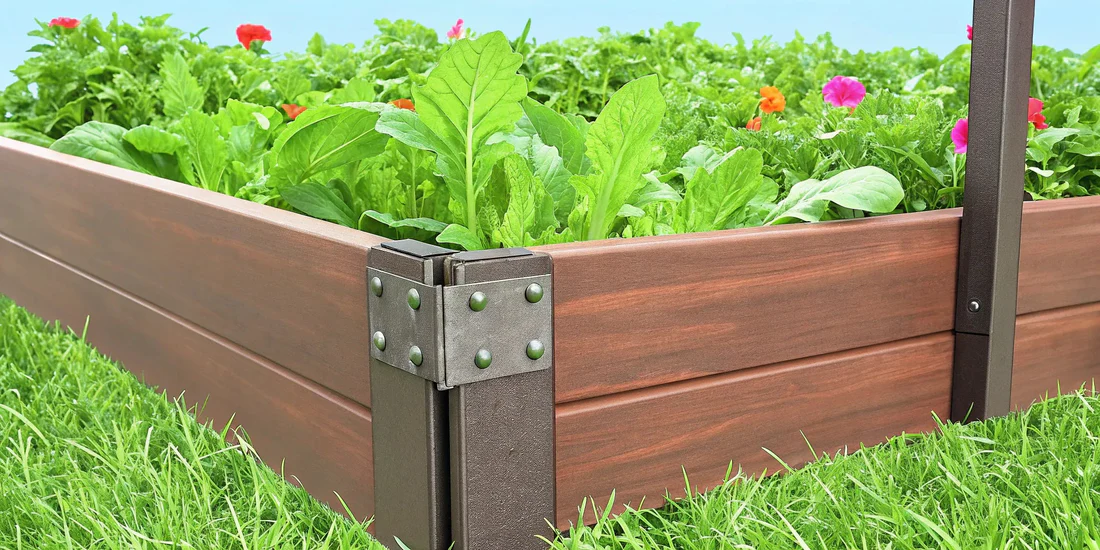
Corner brackets are metal fasteners shaped like an “L” that are designed to connect two surfaces at a right angle. They’re typically made from steel, stainless steel, or galvanized metal to provide strength and corrosion resistance.
Each side of the bracket contains pre-drilled holes that allow screws or bolts to secure the bracket firmly to both surfaces. Once installed, the bracket reinforces the joint and distributes loads more evenly across the connection.
Corner brackets come in a variety of sizes and thicknesses to suit different construction tasks, ranging from lightweight brackets used for shelving to heavy-duty versions designed for structural timber work.
Why Builders Use Corner Brackets
Corner brackets provide several advantages in construction and installation work. Their primary function is to strengthen joints, particularly in areas where two materials meet at right angles.
When a joint is only secured with screws or nails, the connection can weaken over time as materials expand, contract, or bear weight. Corner brackets reinforce the joint by providing additional structural support that resists bending and twisting forces.
Builders rely on corner brackets because they:
- Increase the strength of structural joints
- Prevent movement and loosening over time
- Improve load distribution across the connection
- Add stability to timber frames and furniture structures
These benefits make corner brackets a valuable addition to both structural and non-structural construction projects.
Choosing the Right Corner Bracket
Selecting the correct bracket for the job is essential for ensuring a strong and reliable connection. Builders typically consider several factors when choosing corner brackets.
- Material strength is one of the most important considerations. Heavy-duty steel brackets are often used for structural timber framing, while lighter brackets may be suitable for cabinetry or shelving.
- Bracket size also plays a key role. Larger brackets provide greater support and are better suited to projects where heavier loads are expected.
- Corrosion resistance is particularly important in outdoor applications or damp environments. Galvanized or stainless-steel brackets help prevent rust and maintain structural strength over time.
Many professionals prefer to buy corner brackets online so they can select from a wide range of sizes and materials suited to specific building requirements.
Common Applications for Corner Brackets
Corner brackets are extremely versatile and can be used in many types of construction and installation work.
In timber framing, brackets are often used to reinforce joints in small structures such as sheds, decking frames, and garden buildings. They help maintain square corners and add strength to load-bearing joints.
In furniture construction, corner brackets provide additional reinforcement for tables, shelving units, and cabinets. This extra support prevents joints from loosening with regular use.
Corner brackets are also frequently used in shelving installations. When supporting heavy loads, brackets help distribute weight more evenly and reduce stress on screws or wall anchors.
Because of their adaptability, corner brackets are used in everything from large construction projects to simple DIY repairs.
Best Practices for Installing Corner Brackets
Proper installation is essential to ensure that corner brackets perform as intended. Builders follow several key practices when installing these fixings.
First, the surfaces being joined should be aligned correctly before the bracket is installed. This ensures that the bracket supports the structure rather than forcing it into position.
Next, the appropriate screws or bolts should be selected for the materials involved. Using fasteners that are too small or weak can reduce the effectiveness of the bracket.
It is also important to secure both sides of the bracket fully. This ensures the load is distributed evenly and prevents movement within the joint.
For heavier loads, using multiple brackets or thicker brackets may be necessary to achieve the required level of support.
Strengthening Structures with Simple Hardware
Corner brackets demonstrate how small components can make a significant difference in structural performance. By reinforcing joints and distributing loads more effectively, these simple metal fixings help ensure that structures remain stable and durable.
Whether used in timber framing, furniture construction, or shelving installations, corner brackets provide a practical solution for improving joint strength. Builders who understand how to select and install them correctly can enhance the reliability of their projects without adding unnecessary complexity.
In many cases, the strength of a structure depends not only on the materials used but also on the quality of the fixings that hold it together. Corner brackets are a clear example of how thoughtful hardware choices contribute to stronger, longer-lasting builds.
Write and Win: Participate in Creative writing Contest & International Essay Contest and win fabulous prizes.
About the Author