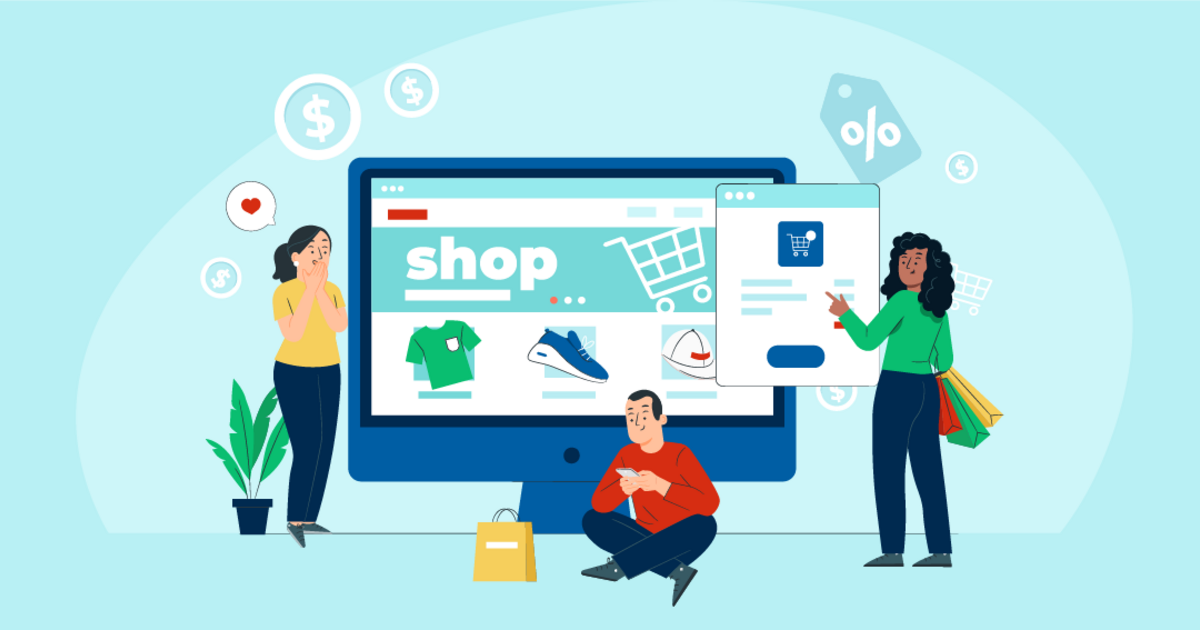
In recent years, e-commerce has become a normal part of everyday life for many people. With the rapid growth of internet access and smartphone use, shopping habits have changed significantly. People no longer need to visit physical stores to buy what they need. Instead, they can shop online from anywhere and at any time. This shift became even more visible during the COVID-19 pandemic, when online shopping increased sharply. According to UNCTAD, global e-commerce sales grew rapidly during this period, showing how important online shopping has become in the modern economy. This essay discusses the main benefits and challenges of e-commerce for consumers and explains how it influences consumer behavior today.
One of the biggest reasons people prefer online shopping is convenience. E-commerce allows consumers to buy products without being limited by store hours or location. This is especially helpful for people with busy daily routines, such as students, office workers, and parents. Many people feel that online shopping saves both time and energy. A report by Statista shows that more than 60% of online shoppers choose e-commerce mainly because it is practical and time-saving. Instead of going from one store to another, consumers can compare prices, brands, and products on a single platform. For many people, this convenience makes online shopping a better option than traditional shopping.
Another advantage of e-commerce is easy access to information. Online platforms usually provide product descriptions, images, ratings, and customer reviews. These features help buyers understand what they are going to purchase. Many consumers depend on reviews before making decisions because they want to avoid disappointment. Studies show that more than 70% of shoppers read online reviews before buying a product. Compared to physical stores, where information may be limited, online shopping offers more transparency. As a result, consumers feel more confident and informed when choosing products.
However, online shopping also has several disadvantages. One common problem is receiving products that do not match the pictures or descriptions shown online. This situation can lead to dissatisfaction, especially when the product quality is lower than expected. Returning items is also not always easy. Some return processes take time, require extra costs, or are difficult when dealing with sellers from other countries. These issues show that even though online shopping is convenient, it does not always guarantee a satisfying experience for consumers.
Delivery and logistics are another challenge in e-commerce. Shipping delays are quite common, especially for international orders. Global logistics reports suggest that cross-border deliveries can take much longer than local shipping. This can be frustrating, particularly when consumers need products quickly. In addition, shipping fees may increase the total cost, making online shopping less attractive than expected. These problems show that the success of e-commerce depends not only on digital platforms but also on reliable delivery systems.
Security and privacy are also major concerns for online shoppers. To complete transactions, consumers must share personal information such as addresses, phone numbers, and payment details. Along with the growth of e-commerce, cases of online fraud and scams have also increased. Cybersecurity reports show that phishing, fake online stores, and data leaks are common risks. A global survey found that nearly 40% of consumers worry about the safety of their personal data when shopping online. This highlights the importance of secure platforms and consumer awareness in digital transactions.
The development of digital payment systems has also played a big role in the growth of e-commerce. Today, consumers can use e-wallets, virtual accounts, and QR-code payments. These payment methods are fast, simple, and reduce the need for cash. Financial technology reports show that digital wallet usage has grown by more than 30% in recent years. As people become more familiar with cashless payments, they feel more comfortable shopping online. This convenience encourages consumers to shop more frequently through digital platforms.
Social media has also strongly influenced online shopping behavior. Platforms such as Instagram, TikTok, YouTube, and X are widely used for promoting products. Many consumers discover new items through influencers, advertisements, and short videos. Research shows that more than half of consumers have bought a product after seeing it on social media. This shows that online shopping decisions are often influenced by visual content and recommendations, not only by actual needs.
E-commerce has also changed consumer spending habits. Because online platforms constantly offer discounts, flash sales, and free shipping, consumers are often encouraged to buy more than they originally planned. According to research from the World Bank, easier access to digital markets can increase consumption, especially among young people. Online shopping makes impulse buying more common because promotions are always visible and easy to access.
In addition, e-commerce allows consumers to buy products from other countries. Reports by the OECD show that digital trade has reduced barriers for cross-border shopping. While this gives consumers more choices and competitive prices, it can also cause problems. Different countries have different regulations, making it difficult for consumers to complain or request refunds when issues occur. This situation shows the need for better consumer protection in global e-commerce.
Another aspect that is often overlooked is how e-commerce changes the relationship between consumers and sellers. In online shopping, communication usually happens through chat features, reviews, or automated systems, not face-to-face interaction. This can make shopping feel faster, but sometimes less personal. Some consumers feel more comfortable asking questions online, while others miss direct assistance from store staff. This change shows that e-commerce is not only about technology, but also about how human interaction slowly shifts in the digital space. As a result, trust becomes an important factor, especially for first-time buyers.
Another important impact of e-commerce can be seen in how consumers develop trust toward online platforms. Unlike traditional shopping, where buyers can directly see and touch products, online shopping relies heavily on digital signals such as ratings, reviews, and seller responsiveness. Many consumers decide whether to buy a product based on how trustworthy the seller appears. Research in consumer behavior shows that high ratings and positive reviews significantly increase purchase intention, while negative comments often discourage buyers, even if the product price is lower. This indicates that trust has become a key currency in the digital marketplace.
Customer service also plays an important role in shaping consumer experiences in e-commerce. Online platforms usually offer chat features, automated responses, or customer support centers. For some consumers, this system feels efficient and less intimidating than face-to-face interaction. They can ask questions freely without feeling pressured. However, others feel that online customer service can be slow or impersonal, especially when responses are automated. This shows that while technology improves efficiency, it cannot fully replace human interaction. Sellers who respond quickly and clearly tend to build stronger relationships with customers.
Another issue related to e-commerce is the digital divide. Although online shopping is widely popular, not everyone has equal access to it. According to reports by the World Bank, differences in internet access and digital literacy still exist, especially in developing regions. Some consumers may struggle to use online platforms due to limited internet connections or lack of digital skills. This situation can create inequality, where certain groups benefit more from e-commerce than others. Therefore, the growth of e-commerce also highlights the importance of improving digital infrastructure and education.
E-commerce has also influenced how consumers manage their finances. The ease of online transactions sometimes makes people less aware of how much they spend. With just one click, payments are completed, and this can reduce the feeling of spending real money. Studies in digital consumer behavior suggest that cashless payments can increase spending because consumers feel less financial pressure compared to paying with cash. This explains why many people feel surprised when they check their monthly expenses after frequent online shopping. As a result, financial awareness becomes an important skill in the digital shopping environment.
Environmental concerns are another topic connected to the rise of e-commerce. While online shopping reduces the need for consumers to travel to stores, it also increases packaging waste and delivery emissions. Reports from environmental organizations show that excessive plastic packaging and frequent deliveries contribute to environmental pollution. Some consumers have started to pay attention to eco-friendly packaging and sustainable brands. This indicates that consumer behavior is slowly shifting toward more responsible consumption, even in online shopping.
Furthermore, e-commerce has changed expectations about speed and service quality. Many consumers now expect fast delivery, easy returns, and instant responses. Large platforms have set high standards by offering same-day or next-day delivery. While this benefits consumers, it also puts pressure on sellers and delivery workers. This situation shows that consumer satisfaction in e-commerce is closely connected to logistics, labor, and system efficiency.
Overall, these developments show that e-commerce affects more than just buying and selling products. It influences trust, communication, financial habits, environmental awareness, and consumer expectations. As online shopping continues to grow, both consumers and businesses need to adapt not only technologically, but also ethically and responsibly.
In conclusion, e-commerce has significantly changed how people shop and make purchasing decisions. Convenience, access to information, digital payments, and social media influence are the main reasons why consumers prefer online shopping. However, challenges such as delivery delays, product mismatch, and security risks still exist. As e-commerce continues to grow, consumers need to be more careful and informed, while businesses must improve trust and service quality. By understanding both the benefits and challenges, consumers and retailers can adapt more responsibly to the digital economy.
By: Zaskia Fatimah Auladina
Write and Win: Participate in Creative writing Contest & International Essay Contest and win fabulous prizes.
About the Author