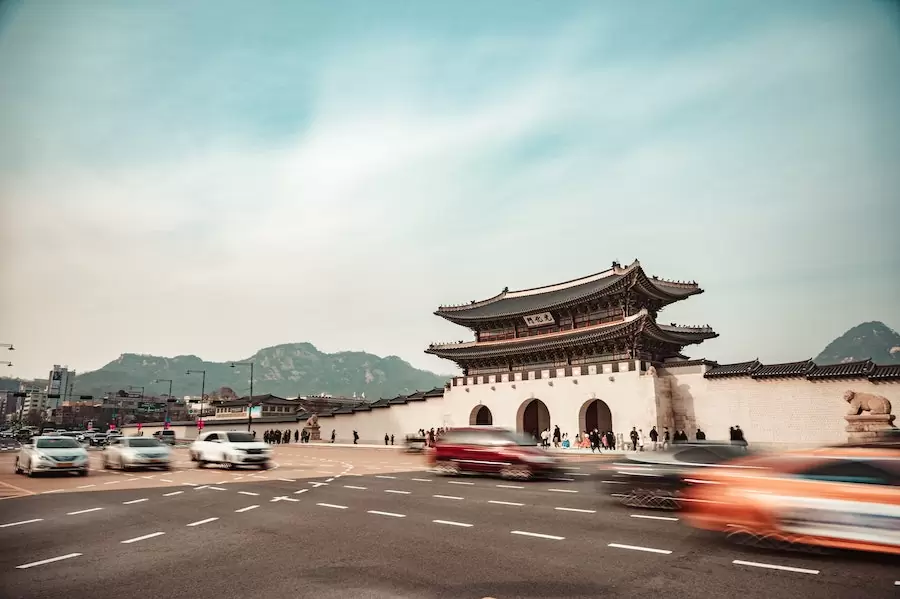
Modern South Korea is often described as one of the most dramatic national transformations of the past century. Within three generations, it grew from wartime devastation into a global economic and cultural power. Behind that shift stand the presidents who shaped its political system, foreign policy, and the daily lives of its people. Understanding their influence does not only explain Korea’s internal development. It reveals how leadership choices can alter a country’s global identity, reshape regional diplomacy, and set the foundations for economic and social mobility. The list below evaluates Korea’s ten most influential presidents through long-term national impact, international presence, and everyday policy outcomes
Judging Criteria
The ranking in this essay is based on three central criteria: long-term national impact, international influence, and changes in everyday life for citizens.
Long-term national impact includes economic growth, political reform, and structural shifts that continued to shape the country long after each president left office. International influence measures Korea’s diplomatic presence and relationships abroad, while everyday impact focuses on policies that affected housing, freedom, welfare, and social opportunity for ordinary people.
1st: Chung Hee Park
Long-term National Impact : ★★★★★ (5/5)
: Reshaped Korea’s economic structure through rapid industrialization, export-driven growth, and nationwide infrastructure expansion.
International Influence : ★★★★★ (5/5)
: Secured foreign capital by deploying troops to Vietnam and normalizing relations, raising Korea’s global economic position.
Everyday Life Change : ★★★★★ (5/5)
: Expanded electricity, roads, and factories, and promoted Saemaul Undong to improve daily living standards.
Chung Hee Park stands as the most influential figure in modern Korean history. His industrialization policies transformed South Korea from a poor agricultural developing country into an emerging economic power. The Saemaul Undong modernized rural areas, raising national productivity and infrastructure. His administration also sent Korean troops to Vietnam and workers to West Germany, securing foreign currency that fueled economic growth. Although his rule was authoritarian, remaining in office for more than 18 years before his assassination, his economic legacy permanently changed Korea’s trajectory.
2rd: Dae Jung Kim
Long-term national impact: ★★★★★ (5/5)
Stabilized Korea after the IMF crisis, restructured financial systems, and laid the foundation for a modern, innovation-driven economy through democratic consolidation and market reform.
International influence: ★★★★★ (5/5)
Opened an unprecedented era of inter-Korean engagement through the Sunshine Policy, elevated Korea’s global diplomatic profile, and received the Nobel Peace Prize for peace efforts.
Everyday life change: ★★★★ (4/5)
Expanded IT infrastructure, accelerated internet access, and broadened welfare support, improving digital connectivity and social opportunity for everyday citizens.
Dae Jung Kim focused on national reconciliation and international diplomacy. He expanded inter-Korean engagement, launching projects such as the Kaesong Industrial Complex. During the Asian Financial Crisis, his reforms helped rebuild the economy and stabilize the nation. His efforts in promoting peace won him the Nobel Peace Prize, leaving a global legacy.
3th: Do Hwan Chun
Long-term national impact: ★★★★ (4/5)
Maintained strong centralized control while shaping parts of Korea’s administrative and security structure, leaving a long-lasting, though highly controversial, institutional footprint.
International influence: ★★★ (3/5)
Kept diplomacy focused on stability rather than expansion, resulting in moderate but limited global engagement during his administration.
Everyday life change: ★★★★★ (5/5)
Ended curfew, opened overseas travel, and fostered cultural industries such as professional baseball, producing some of the most immediate and visible lifestyle changes for ordinary Koreans.
Do Hwan Chun is one of the most controversial leaders in Korean history. His military dictatorship and harsh security policies—such as the Samcheong Reeducation Camp—left deep wounds. Yet, his government also shaped modern culture and daily life. Professional baseball was established, curfews were lifted, and overseas travel became possible for ordinary citizens. His influence was significant, both socially and politically.
4th: Yeung Sam Kim
Long-term national impact: ★★★★ (4/5)
Implemented the financial real-name system, dismantled military political influence, and advanced civilian governance, leaving a major structural shift in Korean democracy.
International influence: ★★★ (3/5)
Enhanced Korea’s global image as a modernizing democracy, though the IMF crisis weakened international confidence toward the end of his term.
Everyday life change: ★★★★★ (5/5)
Increased transparency in everyday financial activity and reduced corruption’s presence in daily life, generating tangible improvements in fairness and public trust.
Yeung Sam Kim pushed major democratic reforms after decades of military influence. He introduced the real-name financial system to fight corruption and push transparency. Despite the economic crisis that struck during his term, his policies modernized political finance and reduced military control over politics.
5th: Syngman Lee
Long-term national impact: ★★★★★ (5/5)
Established the Republic of Korea’s foundational government structure, set the political direction of the new state, and cemented an anti-communist national identity that shaped Korea for decades.
International influence: ★★★★ (4/5)
Strengthened the U.S.–Korea alliance and positioned South Korea firmly within the Western bloc during the Cold War, although broader diplomatic outreach remained limited.
Everyday life change: ★★ (2/5)
Focused primarily on national survival and regime consolidation rather than modernization, resulting in minimal direct improvement to everyday living standards.
Syngman Lee is the first president who founded the conventional Korean government. As the country’s first president, he played a critical role in founding the modern state during the chaos of the Korean War, promoting anti-communism as one of the key ideologies of the Korean government. Although his presidency ended after a controversial election fraud, his tenure is still meaningful for being the first democratic government Korea ever had.
6th: Jae In Moon
Long-term national impact: ★★★ (3/5)
Restructured prosecutorial authority and expanded welfare initiatives, but generated one of the most severe housing market distortions in modern Korean history.
International influence: ★★★★ (4/5)
Reopened global attention to Korean Peninsula diplomacy through multiple summits with North Korea and positioned South Korea as a key actor in peace discussions, even if tangible outcomes remained limited.
Everyday life change: ★★★★ (4/5)
Triggered unprecedented housing inflation through repeated policy failures, transforming Seoul into the most expensive housing market in the world relative to income.
Jae In Moon significantly shaped inter-Korean diplomacy through multiple summits with North Korea, elevating Korea’s visibility in peace negotiations. At the same time, his administration triggered one of the sharpest housing price surges in Korean history, driving Seoul to become the world’s most unaffordable city relative to income. Alongside controversial prosecutorial reforms, these issues polarized public opinion and left a lasting, contentious imprint on national policy.
7th: Tae Woo Roh
Long-term national impact: ★★★ (3/5)
Advanced Korea’s political transition by institutionalizing democratization within a constitutional framework, though structural reforms remained moderate in scope.
International influence: ★★★★ (4/5)
Expanded Korea’s diplomatic reach through the Northern Policy, establishing relations with socialist states and significantly widening Korea’s global presence.
Everyday life change: ★★★ (3/5)
Delivered indirect improvements to daily life through the 1988 Seoul Olympics, which modernized transportation, communication, and urban infrastructure.
Tae Woo Roh opened a new era of international exposure through the 1988 Seoul Olympics, which raised Korea’s global status dramatically. His “Northern Policy” improved diplomatic relations with socialist countries. Although his past military ties remained controversial, his diplomatic legacy was highly influential.
8th: Moo Hyun Roh
Long-term national impact: ★★★ (3/5)
Promoted political reform and regional development initiatives, creating steady but moderate structural changes that continued gradually over time.
International influence: ★★★ (3/5)
Maintained stable foreign relations and broadened Korea’s global economic participation, though without dramatic diplomatic breakthroughs.
Everyday life change: ★★★ (3/5)
Expanded housing supply and encouraged balanced urban planning, improving living conditions modestly but without large-scale nationwide transformation.
Moo Hyun Roh focused on reforming old political structures and supporting balanced national development, including new city projects such as Pangyo. He also expanded free-trade agreements that shaped Korea’s global economy. His presidency inspired a generation of younger voters and influenced modern progressive politics.
9th: Jae Myung Lee
Long-term national impact: ★★ (2/5)
Implemented welfare-centered and regulatory policies with limited long-term structural influence, as most initiatives remain recent and not yet fully evaluated.
International influence: ★★★ (3/5)
Maintained a moderate diplomatic presence through events like APEC, generating some visibility but without major global influence.
Everyday life change: ★★ (2/5)
Introduced short-term welfare support and housing measures that created temporary effects but did not meaningfully reshape nationwide living conditions.
Jae Myung Lee’s presidency is recent but already influential. His government hosted APEC, introduced multiple livelihood support policies, and pushed housing reforms like the October 15 real estate strategy. His administration also advanced major political debates, such as abolishing the Prosecutors’ Office, showing strong confrontation against traditional power structures.
10th: Myung Back Lee
Long-term national impact: ★★★ (3/5)
Pursued large-scale development and administrative efficiency, creating moderate structural influence without fundamentally reshaping national systems.
International influence: ★★★ (3/5)
Maintained steady global engagement through economic diplomacy and international events, contributing to a consistent but not extraordinary foreign presence.
Everyday life change: ★★★ (3/5)
Improved public convenience through transportation modernization and administrative reforms, generating practical benefits with moderate everyday impact.
Myung Back Lee focused on business-oriented development. The Four Rivers Project remains debated, but his infrastructure investments reshaped many regions. One of his most lasting contributions was the integrated bus transfer system, improving public transportation nationwide.
Taken together, these ten presidencies show how South Korea’s trajectory has been shaped by a mix of rapid modernization, democratization, controversy, and bold policy experimentation. Some leaders expanded Korea’s global footprint. Others reshaped domestic life through infrastructure, welfare, or institutional reform. Although their legacies vary, each contributed to the country that now stands as a major economic and cultural force in Asia and around the world. Understanding these leaders is not only a study of Korean politics. It illustrates how national decisions, public leadership, and long-term reforms can define a country’s identity in the global community.
By: Yehoon Park
Write and Win: Participate in Creative writing Contest & International Essay Contest and win fabulous prizes.
About the Author