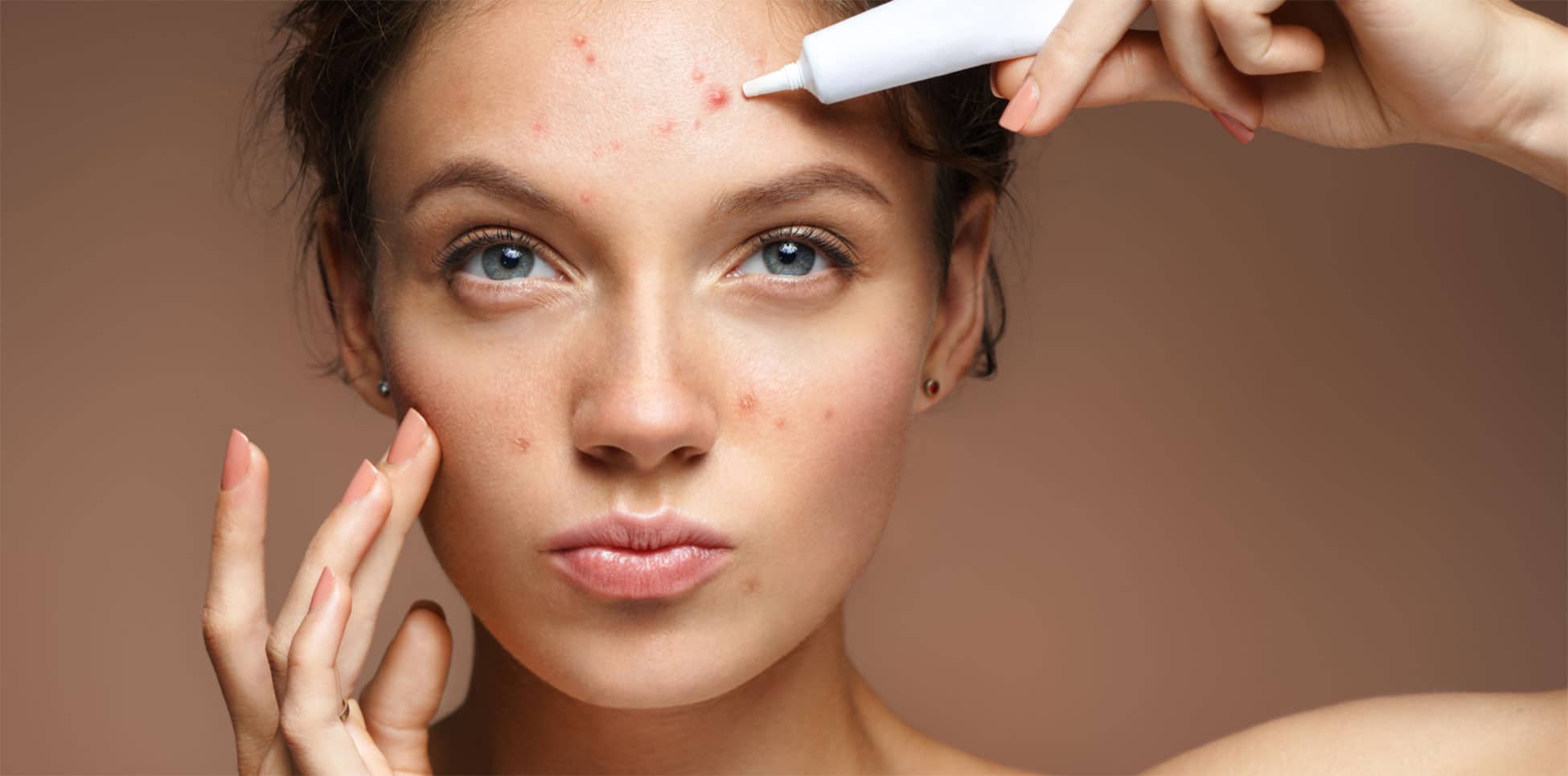
Acne Treatment
If you’ve been battling breakouts for months despite trying countless skincare products, it may be time to see an acne doctor Singapore. Over-the-counter (OTC) treatments often help with mild acne, but persistent, painful, or scarring acne requires professional evaluation. Dermatologists can identify underlying causes—such as hormonal imbalance or bacterial resistance—and provide prescription-strength solutions that target multiple factors simultaneously.
Deep, Painful Cysts That Don’t Surface
Do you know that deep cystic acne can destroy surrounding tissue even without forming visible whiteheads? Cystic acne forms when infection and inflammation occur deep within hair follicles, creating firm nodules measuring 5mm or larger beneath the skin surface. These lesions remain tender for weeks without forming a visible whitehead, distinguishing them from pustular acne that develops superficial pus-filled centers within days. The depth of cystic lesions places them beyond the penetration range of over-the-counter active ingredients, which typically reach only the epidermis and upper dermis layers.
Nodular and cystic lesions trigger inflammatory responses that destroy surrounding collagen and elastic tissue, creating atrophic or hypertrophic scars even after the acne resolves. The inflammatory mediators released by deep cysts – including interleukins, tumor necrosis factor, and matrix metalloproteinases – perpetuate tissue damage that topical treatments cannot adequately suppress through online hautarzt. Professional treatment employs intralesional corticosteroid injections to reduce inflammation.
Oral isotretinoin is a treatment option for severe cystic acne, targeting all four pathogenic factors: sebum production, follicular hyperkeratinization, Cutibacterium acnes proliferation, and inflammation. The medication can achieve remission through sebaceous gland atrophy and normalized keratinization. An experienced chicago dermatologist can monitor liver enzymes, lipid panels, and implement pregnancy prevention protocols during isotretinoin therapy due to its teratogenic effects.
Alternative systemic treatments include oral antibiotics combined with topical retinoids for anti-inflammatory effects beyond antimicrobial action. Hormonal therapy using combined oral contraceptives or spironolactone addresses androgen-driven sebum production in female patients with cystic acne along the jawline and lower face.
Spread Across Multiple Facial Areas
Acne spreading from isolated regions to involve the forehead, temples, cheeks, and jawline simultaneously indicates systemic factors requiring comprehensive treatment approaches. This pattern suggests hormonal fluctuations, stress-induced cortisol elevation, or bacterial resistance developing against topical antimicrobials. The distribution pattern provides diagnostic clues – jawline predominance suggests hormonal etiology, while uniform facial involvement indicates severe comedogenic or inflammatory processes.
Dermatological assessment includes hormone level testing (free and total testosterone, DHEA-S, luteinizing hormone, follicle-stimulating hormone) when acne spreads in adult women or presents with hirsutism and irregular menses. Bacterial culture and sensitivity testing identifies antibiotic-resistant strains of Cutibacterium acnes when lesions fail to respond to standard topical antibiotics. Wood’s lamp examination reveals Malassezia folliculitis masquerading as acne, requiring antifungal rather than antibacterial therapy.
Combination therapy becomes important when acne affects multiple facial zones with varying lesion types. Dermatologists layer treatments strategically – retinoids for comedonal areas, benzoyl peroxide-antibiotic combinations for inflammatory regions, and azelaic acid for post-inflammatory hyperpigmentation. Chemical peels using glycolic acid or salicylic acid accelerate cellular turnover across affected areas while reducing bacterial load through pH modification.
Professional extraction techniques remove deep comedones and milia that perpetuate inflammatory cycles when left untreated. Photodynamic therapy combining aminolevulinic acid application with blue light exposure reduces sebaceous gland activity and bacterial populations across extensive facial areas. Laser treatments using diode or erbium glass lasers target sebaceous glands directly while stimulating collagen remodeling in acne-damaged skin. However, many people wait too long to get medical advice because they think their skin will clear up on its own. This delay often leads to more inflammation and a higher risk of permanent damage. A formal dermatologist appointment helps you get a clear diagnosis before the condition gets worse. Modern technology now makes it possible to speak with a specialist from your own home. This approach is often faster than waiting for a local clinic to have an opening. Getting the right prescription early can stop new spots from forming and protect your skin’s texture.
Dark Marks and Indented Scars Already Forming
Post-inflammatory hyperpigmentation (PIH) appears as brown or purple marks persisting months after acne lesions heal, while atrophic scarring creates permanent textural changes including ice-pick, boxcar, and rolling scar subtypes. Early scar formation indicates inflammatory processes exceeding the skin’s regenerative capacity, requiring intervention to prevent permanent disfigurement. The window for preventing scar maturation spans 12-18 months post-injury, making timely treatment important.
💡 Did You Know?
Acne scars form through abnormal wound healing where inflammation destroys dermal architecture faster than fibroblasts can deposit organized collagen, creating depressions that standard skincare cannot reverse once fully matured.
Dermatological scar prevention employs early anti-inflammatory treatment using combination therapy – topical retinoids increase cellular turnover preventing follicular plugging, while oral antibiotics suppress inflammatory mediator release. Silicone gel sheets or topical silicone preparations applied to healing lesions modulate fibroblast activity and collagen organization during the remodeling phase. Intralesional steroid injections flatten hypertrophic scars and keloids developing from severe inflammatory acne.
For established scarring, fractional CO2 laser resurfacing creates controlled micro-injuries stimulating neocollagenesis while preserving surrounding tissue for rapid healing. The laser penetrates 400-1400 micrometers deep, reaching the reticular dermis where structural proteins regenerate. Treatment parameters should be determined by a healthcare professional based on individual scar characteristics.
Subcision procedures release fibrous bands tethering rolling scars to underlying tissue, immediately improving contour irregularities. The technique involves inserting a tri-beveled needle parallel to skin surface, mechanically disrupting scar adhesions while stimulating wound healing responses. Chemical reconstruction of skin scars (CROSS) applies high-concentration trichloroacetic acid focally to ice-pick scars, inducing controlled coagulation and subsequent collagen remodeling.
Dermal fillers containing hyaluronic acid or poly-L-lactic acid provide immediate volume replacement for atrophic scars while stimulating long-term collagen production. Platelet-rich plasma injections deliver growth factors accelerating tissue regeneration when combined with microneedling or laser treatments.
Impact on Daily Activities and Self-Confidence
Acne affecting work performance, social interactions, or causing persistent preoccupation with skin appearance warrants professional psychological and dermatological support. The bidirectional relationship between stress and acne creates self-perpetuating cycles – stress increases cortisol and androgen production exacerbating acne, while visible lesions generate additional psychological distress. Dermatologists assess quality-of-life impact using validated instruments like the Dermatology Life Quality Index or Acne-Specific Quality of Life questionnaire.
⚠️ Important Note
Acne-related depression or social withdrawal requires professional attention, as dermatological treatment combined with psychological support can improve both skin condition and mental wellbeing.
Acne treatment addresses psychosocial impacts through lesion clearance using combination therapies tailored to individual presentation patterns. Oral isotretinoin provides psychological benefits through improvement in severe acne, though monitoring for mood changes remains important during treatment. Spironolactone offers benefits for women experiencing hormonal acne with associated premenstrual mood symptoms.
Camouflage techniques using mineral makeup provide confidence improvement while treatments take effect. Dermatologists recommend non-comedogenic formulations with green-tinted primers neutralizing redness, followed by matched foundation and setting powder. Application training ensures coverage without exacerbating acne through occlusive products or contaminated applicators.
Cognitive behavioral therapy integrated with dermatological care addresses negative thought patterns and avoidance behaviors perpetuating acne-related distress. Stress reduction techniques including mindfulness meditation and progressive muscle relaxation decrease cortisol-induced acne flares. Support group participation connects patients experiencing similar challenges, reducing isolation while sharing coping strategies.
What Our Dermatologist Says
Clinical experience shows patients often delay professional consultation for many months of unsuccessful self-treatment before seeking help, during which scarring risk increases substantially. The investment in dermatological care typically costs less than accumulated over-the-counter products when calculating the expense of ineffective treatments over time. Current acne treatments achieve improved clearance rates compared to those available even a decade ago, with combination approaches addressing multiple pathogenic factors simultaneously.
Treatment plans evolve based on response patterns – initial therapy controls active lesions, followed by maintenance regimens preventing recurrence. The therapeutic relationship enables ongoing adjustment as lifestyle factors, hormonal status, and skin tolerance change over time.
Putting This Into Practice
- Document your acne pattern for two weeks, noting lesion types, locations, and correlation with menstrual cycle, stress, or dietary factors to provide diagnostic information during consultation.
- Photograph affected areas weekly using consistent lighting and angles to track progression objectively rather than relying on daily mirror assessments that may miss gradual changes.
- Discontinue harsh scrubs, alcohol-based toners, and excessive washing that compromise skin barrier function and may worsen inflammation.
- Maintain current gentle cleansing routine with over-the-counter ingredients while awaiting professional consultation rather than starting new products that may complicate assessment.
- Compile a list of previously tried treatments including duration of use, concentrations, and specific product names to guide prescription selection.
When to Seek Professional Help
- Cysts or nodules measuring larger than 5mm persisting beyond two weeks
- New acne lesions appearing faster than existing ones heal
- Brown or purple marks remaining visible three months after lesions resolve
- Indented or raised scars developing at previous acne sites
- Acne concentrated along jawline and lower face in adult women
- Lesions causing pain disrupting sleep or daily activities
- Avoiding social situations due to skin appearance
- Over-the-counter treatments used consistently for 12 weeks without improvement
Commonly Asked Questions
How quickly will prescription treatments show results compared to over-the-counter options?
Prescription treatments typically demonstrate initial improvement within 4-6 weeks, with significant clearance by week 12. Oral antibiotics reduce inflammation within 2-3 weeks, while isotretinoin may cause temporary worsening before improvement begins around week 6-8. Prescription retinoids and over-the-counter retinol have different bioavailability and receptor binding properties.
Will I need to stay on prescription medications permanently?
Treatment duration varies by medication type and acne severity. Oral antibiotics typically continue for 3-6 months before transitioning to topical maintenance therapy. Isotretinoin courses last 16-24 weeks with sustained remission afterwards in many patients. Hormonal treatments may continue longer-term if providing additional benefits beyond acne control. Topical prescriptions often transition to maintenance schedules using lower frequencies once clearance achieves.
Can laser treatments replace oral medications for severe acne?
Laser and light therapies complement but rarely replace systemic medications for severe inflammatory or cystic acne. These procedures can help reduce active lesions and prevent scarring when combined with medical therapy. Photodynamic therapy can achieve results for moderate inflammatory acne. Energy-based devices provide maintenance therapy after achieving clearance with systemic medications.
What’s the difference between seeing a general practitioner versus an acne doctor in Singapore?
Dermatologists complete additional specialized training beyond medical school, focusing on skin conditions. This training enables accurate diagnosis of acne variants, recognition of underlying hormonal disorders, and access to restricted medications like isotretinoin. Dermatologists perform procedures including chemical peels, laser treatments, and scar revision unavailable in general practice settings.
Next Steps
Early intervention prevents permanent scarring that becomes increasingly difficult to treat once established. Dermatologists develop personalized treatment plans addressing both active acne and existing skin damage through medical and procedural options. Professional assessment distinguishes between acne variants requiring different treatment approaches.
If you’re experiencing persistent cystic acne, rapid spread across facial areas, or early scarring, a MOH-accredited dermatologist can provide comprehensive evaluation and treatment options beyond over-the-counter solutions.
Write and Win: Participate in Creative writing Contest & International Essay Contest and win fabulous prizes.
About the Author