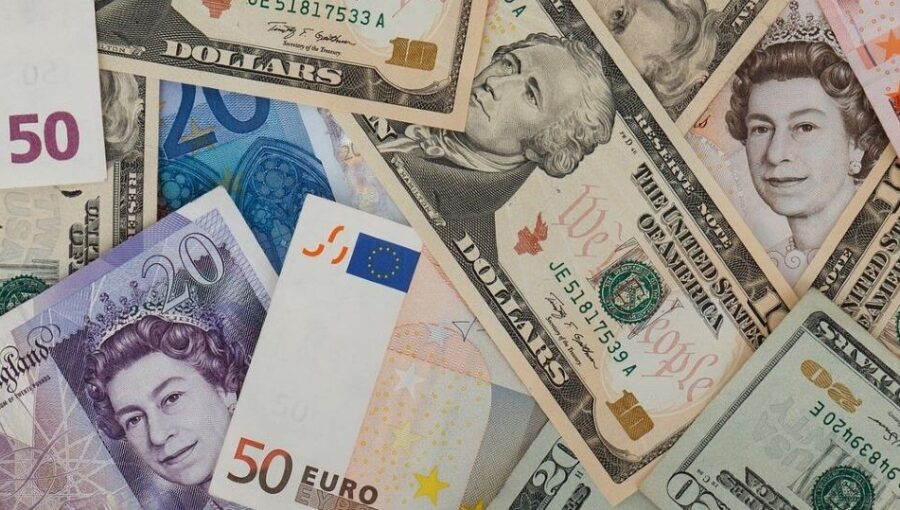
Wealth is usually counted in banknotes, yet the richest and poorest among us share the same daily allowance: 24 hours. No currency is more democratic, and none more ruthlessly finite. Still, people will fight to save a handful of coins while letting hours slip through their fingers like spilled sand. The irony is glaring: money can be borrowed, earned, and multiplied, but time is the only asset that refuses to be bought back once it leaves.
This contradiction fascinates me. Finance is usually thought of as a science of numbers, but in fact it is a science of human blindness. At the center of it is an deceptively simple question: what are we giving up when we say yes to one thing? Economists refer to this as opportunity cost. Poets would address it as regret. And the rest of us, in our everyday life would call it none of those words—because we don’t even notice we have something to lose.
Take the example of line-up to save money, or the ‘waiting-room’ scene if you will. I’ve seen a crowd stand for hours in the humid summer sun to save what was roughly a bus fare amount. They talked, they looked at their phones, and they beamed with pride when the cashier handed them the measly reward. Not one seemed to register that the hours they relinquished could have been spent earning, creating, or resting. Money saved was visible. Time lost was invisible. Which was the good “deal”? Financially speaking, the majority walked away poorer.
This more significant blindness gets bigger. Countries waste billions on white elephant projects instead of admitting they have failed—classic sunk costs disguised as a patriotic story. Investors hold onto tanking stocks because it seems like giving up, while the best action is to throw in the towel. Students stick with a degree that no longer excites them, since tuition is already spent. The list goes on and on. Many in life manage their ever-growing egos that possess irrational thinking, even selling the mark down gives them nothing, time wasted is permanent.
But this is not a freak story of stupidity. Its about the ancient ways of rationality to value. Psychologists have discovered our brain is built for immediacy; we want the rush of sugar in our mouth now rather than the banquet of our future’s delight. This is why 401k’s are left unattended, and why a 5-dollar coffee is so hard to resist, when in a decade, that same coffee habit could equal a house because of compounding. Time may quietly multiply wealth, however our brains are too impatient to realize that.
So what does it look like to take time as capital seriously? Imagine if we figured out not only the price of an item, but also the cost of an hour. Imagine if instead of decision fatigue, the instant the next game addict-decision fatigue was produced-and yes decision fatigue is even more troubling than indebtedness -systemizer not resolver: set it and forget it savings, auto investments, auto-pilot personal guidelines that automatically protect us from making bad decisions rather than wishing that not knowing before the decision was courage. At its best, studying finance is not about how spreadsheets work; it’s about creating and modeling a life that is not so easily susceptible to our weakest moments. There’s the paradox: we can’t worship efficiency as God. If every decision came down merely to compounded interest logic, life would quickly devolve into a grey, drab existence. As much as we may feel empowered to say no or reject, there is still opportunity cost in rejecting spontaneity. A beautiful sunset you didn’t catch cause you stayed late at the office. The friend you didn’t call to invite to dinner that you said you’d do next week and weeks later you recognize “next week” never came—we can’t put those on ledgers, but every heart feels those. So the trick isn’t trying to squeeze every dollar you have, the trick is applying money and time to align with what you value. What sometimes seems to provide the best rationale is completely nuts on paper: the dinner that “wasted” money but solidifies a friendship, the book that could earn nothing but affects your world.
This is why I believe finance is endlessly human. There’s a chance it may currently reside among cold equations, but it’s mediation between choices. The real subject, then, in finance isn’t wealth, it’s tradeoffs about what we say yes and the things we say no, and if we recognize that they’re tradeoffs.
When I think opportunity cost today, I don’t see graphs. I see all the silent moments we buy our way out of: a child’s soccer game we didn’t attend for a meaningless meeting, the leisure pursuit for retirement that may never happen, a walk that didn’t happen because work email were a priority. These aren’t catastrophic mistakes, but they are mistakes that compound. Compounding interest also compounds loss of opportunity!
So can time ever be redeemed with money? No. This is the paradox of finance. To study finance is to study how we don’t sleepwalk through choices. To study finance is to realize even the littlest decision— a cup of coffee, waiting in line, a day tempted to procrastinate—is an invisible choice point. Finance teaches us wealth is more than the numbers in an account; wealth is life, it’s a semblance of the things those numbers empower.
When the final balance sheet of a life is drawn, the numbers will not matter. What will matter are the mornings traded for trivial savings, the friendships postponed for “urgent” tasks, the unlived chapters left blank because we assumed tomorrow would wait. Compound interest magnifies wealth, but it also magnifies neglect. Money returns. Time does not. The greatest financial wisdom is not in growing what we own, but in refusing to squander the only currency that can never be renewed.
By: Juha Kim
Write and Win: Participate in Creative writing Contest & International Essay Contest and win fabulous prizes.
About the Author