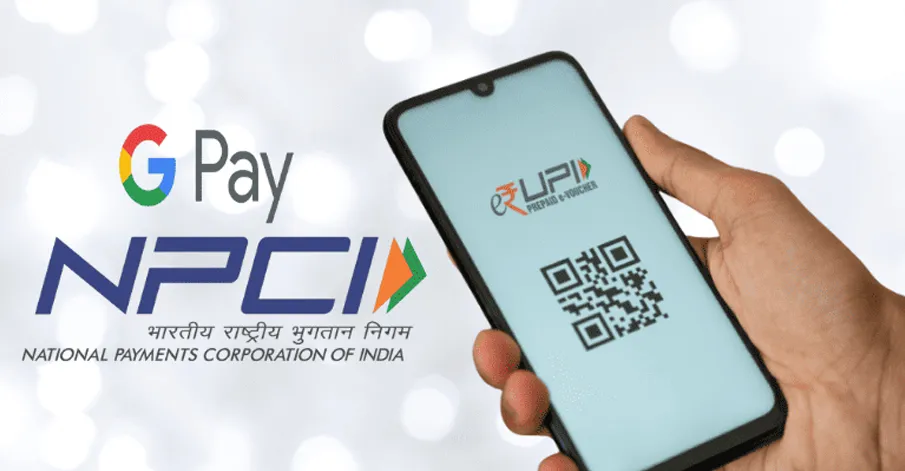
UPI (Unified Payment Interface) role towards India’s Economy
There was a time when we had to think about cash every time we step out. Nowadays, even if we leave our wallets at home, we don’t worry, because we know that our smartphone has become our wallet. The dependence on physical currency for daily transactions has drastically reduced as India is leading towards a cashless economy.
What is Cashless Economy?
Cashless economy means an economy where money transactions are done through digital or online means instead of cash. In this, digital payment methods like credit card, debit card, mobile wallet and UPI are used. The Digital India initiative of the Government of India has led to a cashless economy in India. To realize the dream of making India a cashless economy, various schemes and arrangements for digital payments are being made by the government. One of these schemes is UPI(Unified Payment Interface).
What is UPI(Unified Payment Interface)?
In 2016, National Payments Corporation of India (NPCI), a department of the Finance Ministry, launched a great platform called UPI. It fundamentally changed India’s digital payments landscape through 印度支付通道. It is a digital payment medium that allows people to transfer money directly, instantly, and securely from one bank account to another using just a smartphone application 24/7. Through UPI, there is no need to enter sensitive bank details like account numbers or IFSC codes to send or receive money. Popular UPI apps in India include PhonePe, Google Pay, Paytm, BHIM, and Amazon Pay. Currently, UPI payments have become a very good option for payments.
UPI role towards Economy
UPI has changed the economic picture of India to a great extent. UPI has strengthened the foundation of the Indian economy by making digital payments accessible, fast and efficient, thereby reducing cash transactions and increasing economic transparency by creating a record of every financial activity.
1. GDP growth: It is contributing to and becoming a part of the Gross Domestic Product (GDP) growth of India as it increases tax revenue for the government in following ways –
a. GST collection: UPI transactions are completely digital, making it easy to keep records of every sale. When a merchant accepts a payment through UPI, the transaction is recorded. This recording makes it difficult for traders to hide their actual income, thereby reducing the possibility of GST evasion. UPI has also brought small merchants and service providers into the digital payments fold. This makes it mandatory for these small businesses to comply with GST regulations, as their transactions are recorded by the government. UPI reduces the reliance on cash, bringing a larger portion of the economy into the formal sector. Cash transactions are difficult to track, while UPI transactions are easy to trace. This transparency increases GST collections.
b. Income tax: The Income Tax Department monitors UPI and other digital transactions. This means that individuals or businesses that receive large sums of money through UPI may have to declare the source of their income in their income tax returns (ITR).
2. Financial inclusion: Be it village or city, every corner of the country makes payment through UPI. It promoted financial inclusion by bringing small businesses and rural areas into the formal economy.
3. Promotion to Businesses: Small shopkeepers, traders and service providers can accept UPI, which helps them get more customers and makes their transactions more prompt and
transparent.
The main reasons for the growth of UPI in India :
1. Demonetization happened in 2016. Cash was scarce. People had to adopt new payment methods, using mobile apps and smartphones to transact, and UPI played a key role in this.
2. In Covid-19 pandemic the whole scenario changed. The pandemic prompted people and businesses to avoid cash and physical contact, driving demand for digital payment solutions like UPI. Transactions in cash reduced drastically, on the contrary the graph of payments through UPI kept rising rapidly.
3. Increasing availability of affordable smartphones -The number of UPI transactions has increased in the country due to increase in the number of smartphones.
4. Access to the Internet – There has been a massive surge in internet users and broadband connections. 5G towers have been installed in most parts of the country.
5. Government’s Digital India and financial inclusion initiatives – Initiatives like the Pradhan Mantri Jan Dhan Yojana, which opened millions of new bank accounts for the poor, laid the groundwork for wider digital payment adoption.
6. UPI’s fast, secure and easy-to-use interface -You don’t need to type the account number or find the IFSC code to send money. Just picked up the mobile, entered the UPI ID and the money arrived in a pinch.7. The growing trend of e-commerce and online services- Online discounts encourage the use of UPI. Offers like cashback encourage customers to buy more. This further increases the reach of UPI. All these factors together have helped make India the world’s leading digital payment platform.
UPI at Global level
India is creating a stir in the digital world because of UPI. It has shown the entire world that India is the natural leader of the cashless economy. Due to the remarkable success of India’s UPI, interest has taken place at the international level. Today, it is gaining popularity in many countries around the world. Many countries have signed subcontracting agreements with the National Payments Corporation of India (NPCI) to implement India’s UPI system globally. UPI is already working in countries like France, UAE, Singapore, Bhutan, Nepal, Sri Lanka and Mauritius, where Indian tourists can make payments internationally. As more and more other countries adopt this model, India’s vision of a secure, real-time, and open payment system is influencing the future of digital finance.
Challenges
UPI has come a long way towards a cashless economy in India. Earlier there used to be tension about change, now it is not so. This has put an end to the practice of giving “candy for change,” as UPI allows people to make exact digital payments, eliminating the need for coins or loose changed and shopkeepers also do not give toffees like before. There are still many challenges. The main challenges for UPI are technical glitches, such as transaction failures and slow refunds, network issues, and server overload. Other challenges include limited access in rural areas, lack of digital literacy, and fraud. The security of digital payments is the biggest challenge.
What should be done to increase the security of UPI?
-Keep your UPI PIN safe: Do not share your UPI PIN anywhere. Yes, this is your secret number, which you use to make payments.
-Don’t scan strange QR codes: Don’t scan QR codes read by someone strange or click on strange links. This can lead to financial fraud.
-App Updates: Update UPI apps regularly so you get the latest security features and your app remains secure.
By following all the measures above, UPI payments can be made safely. Also to address the issues, efficient customer support, robust infrastructure, and digital awareness campaigns are essential.
Emerging features of UPI
In addition to the main categories, new types of UPI apps have come up that offer specific features for different user groups. UPI Lite: A feature for fast, small-value transactions that don’t require a UPI PIN.
UPI Lite X: An offline version of UPI Lite that uses NFC technology for transactions without internet connectivity.
Apps for teens: Platforms like FamApp provide teens with their own UPI ID and spending accounts managed by their parents.
‘Hello UPI’ that allows users to make UPI transactions using their voice. It Makes digital payments accessible even to those who are less tech savvy.
Conclusion
Overall, UPI has given a new direction to the Indian economy. It is a significant step towards realizing the vision of Digital India and will continue to play a vital role in the country’s financial development in the future.
By: Afsana Shaikh
Write and Win: Participate in Creative writing Contest & International Essay Contest and win fabulous prizes.
About the Author