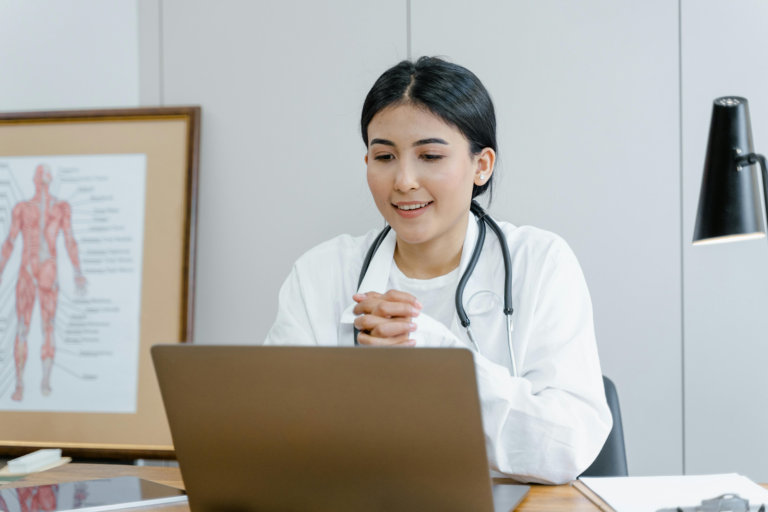
Image source: https://unsplash.com/photos/a-person-is-pointing-at-a-tablet-screen-OSpFXuGfj4U
Today, more than ever, individuals worldwide are seeking relief from chronic pain and mobility limitations—whether due to injury, aging, or lifelong conditions. Visiting a trusted Orthopedic Clinic, they’re discovering that the road to wellness is increasingly paved with cutting-edge techniques and compassionate care. In this evolution of orthopedic medicine, patients are reclaiming their freedom of movement, rediscovering a life without limits, and embracing renewed hope.
Personalized Diagnostics: Building the Foundation of Recovery
Gone are the days when orthopedic evaluations relied solely on X-rays and standard physical assessments. Modern clinics now employ advanced imaging technologies like MRI, CT scans, and dynamic ultrasound to capture precise snapshots of joint health, muscle integrity, and soft-tissue function. This rich data, combined with AI-supported analytics, helps physicians pinpoint the root causes of patients’ pain.
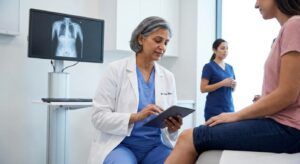
Such customized diagnostics pave the way for tailored treatment plans. Rather than offering broad, generic advice, clinicians can now design protocols that match a patient’s specific anatomy, lifestyle, and recovery goals. This not only improves outcomes but also fosters a sense of confidence in patients-knowing their care is truly built around them.
When persistent joint pain or stiffness begins to interfere with daily activities, seeking a professional evaluation becomes necessary. Many people delay getting help because they hope the discomfort will go away on its own. Consulting experienced orthopedic doctors jacksonville fl or elsewhere helps patients identify the exact cause of their mobility issues early. Getting an accurate diagnosis prevents minor injuries from turning into chronic conditions that require more invasive treatments later.
Precision Treatment: The Rise of Minimally Invasive Techniques
Minimally invasive surgeries have transformed the way orthopedic conditions are treated. Procedures like arthroscopy, endoscopic decompression, and robotic-assisted joint replacements now allow surgeons to work through tiny incisions, reducing tissue trauma, scarring, and post-operative pain. As a result, patients typically experience shorter hospital stays, quicker recoveries, and a lower risk of complications.
The precision afforded by these methods doesn’t just benefit recovery speed—it enhances long-term function as well. With less disruption to muscles and soft tissue, patients regain mobility more naturally, and physical therapy can begin earlier. This shift toward less invasive intervention reflects a broader commitment within orthopedic care: preserving the body’s natural form while correcting its function.
Integrated Rehabilitation: From the Clinic to Everyday Life
A diagnosis and successful treatment mark only the beginning of the recovery journey. Modern orthopedic care increasingly incorporates integrated rehabilitation—bridging clinical expertise with realistic, day-to-day applicability. Physical therapists now work hand-in-hand with surgeons, crafting gradual, personalized exercise regimens that cater to patients’ returning strength and evolving needs.
These rehab plans are more flexible and patient-centric than ever. Telehealth video sessions, wearable progress trackers, and at-home exercises ensure continuity of care beyond the clinic walls. Patients appreciate this seamless transition, which underscores a growing recognition: healing isn’t confined to hospital beds—it happens in neighborhoods, living rooms, and workplaces too.
Holistic Support: Addressing Body and Mind
Pain—especially chronic or severe pain—is more than a physical matter. It can disrupt sleep, elevate anxiety, and even interfere with personal relationships. Acknowledging this, comprehensive orthopedic care often encompasses holistic support services. Nutritionists guide patients on anti-inflammatory diets that complement recovery; psychologists offer strategies for managing pain-related stress; and wellness coaches reinforce positive habits that nurture both healing and resilience.
By treating each patient as a whole person, rather than merely a symptom, this human-centered approach fosters long-lasting well-being. Emotional support and lifestyle coaching can make the difference between a nominal fix and a true, sustainable transformation.
Real-World Impact: Stories of Resilience
Consider the professional architect who, plagued by shoulder pain, felt his creativity was slipping away. Thanks to a multipronged strategy involving precise imaging, skilled arthroscopy, and a structured rehabilitation plan, he now sketches and leads onsite projects with renewed passion. Or reflect on a passionate hiker whose osteoarthritis once dimmed dreams of mountain trails: after receiving a robot-assisted knee replacement and embarking on guided physiotherapy, she’s not only hiking again—she’s guiding groups on new summits.
These stories go beyond clinical success—they speak to the essence of why modern orthopedic care matters. It’s not just about restoring joint function; it’s about reinstating life’s full vibrancy. The capacity to dream, to move freely, and to connect with the world—all of that lives at the heart of a pain-free journey.
Conclusion
The transformation of orthopedic medicine is more than technological—it’s deeply human. From the precision of advanced imaging and minimally invasive procedures to the empathetic integration of holistic support and rehab, modern orthopedic care is reshaping how patients move, heal, and thrive. For many, this isn’t simply about walking without discomfort—it’s reclaiming their life’s full potential, one confident step at a time.
Write and Win: Participate in Creative writing Contest & International Essay Contest and win fabulous prizes.
About the Author