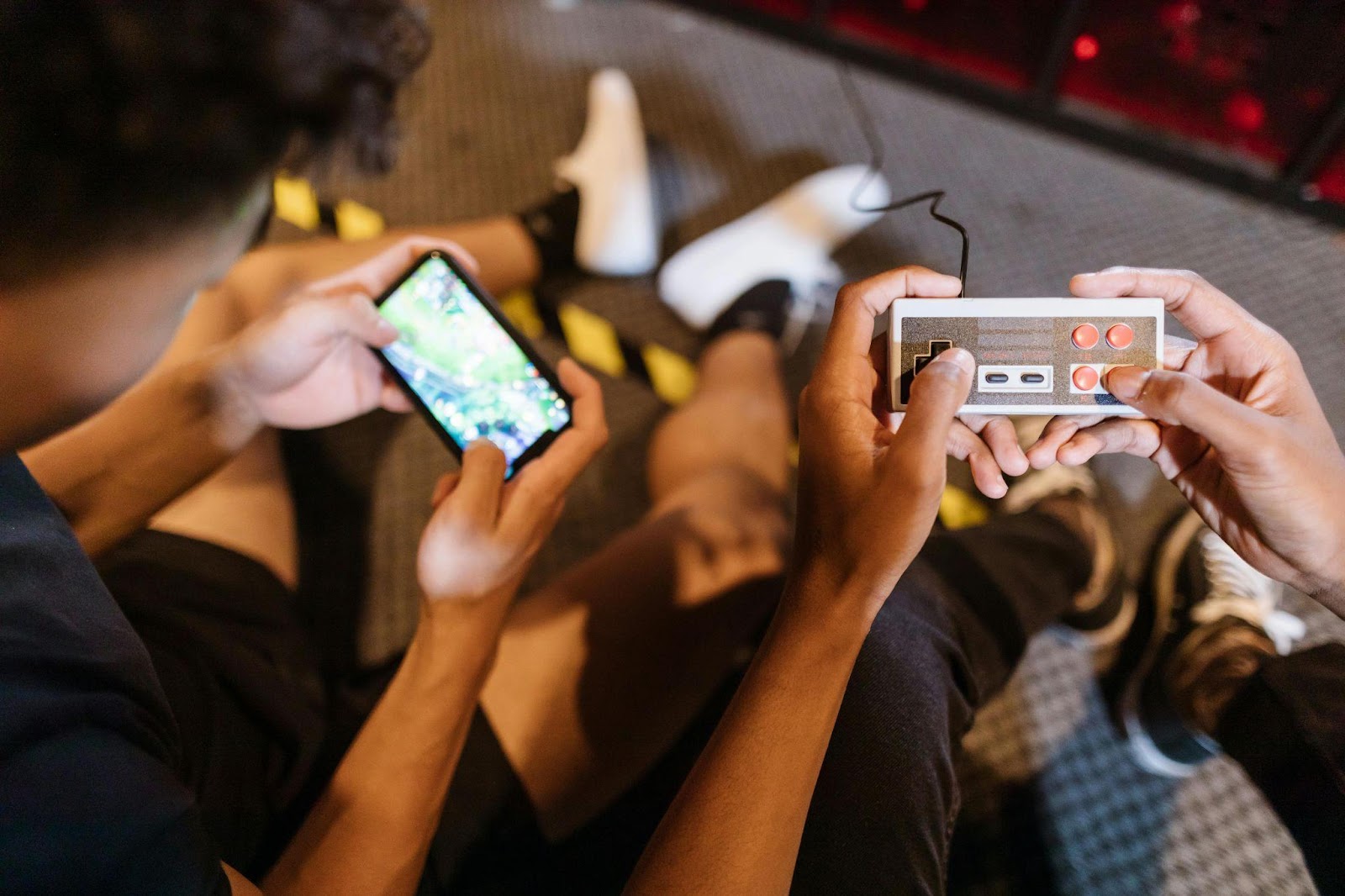
The gaming world is undergoing a dramatic transformation. Major studios have been making headlines with rounds of layoffs, restructuring their teams, and rethinking their strategies. This shake-up has created uncertainty across the industry and opened new doors, especially for solo developers.
As traditional development models contract, independent creators are filling the gaps. With more tools, platforms, and audiences accessible than ever, solo developers are no longer outliers—they’re becoming a vital force in shaping the future of games.
A Shift in Opportunities for Independent Creators
Large-scale layoffs have flooded the freelance market with experienced professionals, including artists, composers, and technical designers. For solo devs, this creates new opportunities to collaborate or outsource portions of development that would otherwise be out of reach. In many cases, it’s now easier and more affordable to build a skilled support team flexibly.
The downsizing of major studios has also created gaps in the kinds of games being produced. As larger companies consolidate around big-budget, live-service titles, many niche genres are left behind. This gives solo developers more freedom to explore untapped markets or revive game styles that have lost favour in AAA spaces.
The availability of automation tools and AI-driven resources has also contributed to the resurgence of solo dev. Platforms like https://sombrainc.com/services/ai-ml-development provide independent developers with access to advanced machine learning and artificial intelligence capabilities to streamline asset creation, optimise player interactions, and even support procedural content generation.
Tools such as Inworld AI (for NPC dialogue) or Scenario (for generating stylised assets) have lowered the barrier to high-quality development. For indie creators, vision and innovation can go a long way, even without a large team.
Rising Independence and the Power of Data
The post-layoff climate is accelerating a broader decentralisation of game development. As more professionals leave traditional studios, they’re building their own projects or joining indie teams. Publishing platforms like Steam and Itch.io have become central to this movement, giving developers direct access to audiences and more control over monetisation.
This shift aligns with the ongoing trend toward data democratization—a concept describing broader access to data and tools that used to be limited to large organisations. In gaming, solo developers can now use real-time analytics, player feedback loops, and cloud-based dev environments to make smarter, faster decisions.
SteamSpy data from 2023 shows that nearly 40% of top indie games were developed by one-person teams or duos, up from 24% in 2019. This growth is fueled in part by tools like Unity’s cloud services and Godot’s modular architecture, which help manage scope and efficiency.
Take Vampire Survivors, a BAFTA-winning game created by solo developer Luca Galante. Using rapid iteration and deep community engagement, Galante turned a minimalist design into a commercial success. The title sold millions of copies without the help of a major studio or publisher.
But with independence comes responsibility. Solo developers must juggle multiple roles, from marketing and PR to quality control and community management. The rise in generative tools doesn’t eliminate this workload—it merely changes its nature. Burnout remains a risk, especially for those who dive into full-time solo development without clear boundaries or timelines.
Solo developers today are better positioned than ever to learn, adapt, and thrive. Open-source tools, online communities, and shared assets offer support that didn’t exist even five years ago.
Looking Ahead
Despite the challenges, the current disruption lays the groundwork for a more agile, diverse, and creative gaming ecosystem. Layoffs at major studios have highlighted the instability of traditional employment models while spotlighting the benefits of autonomy and direct player engagement.
As more developers go solo or form micro-studios, we expect continued experimentation in game mechanics, art styles, and storytelling formats. While the market is crowded, it’s also more accepting of unconventional ideas—especially those that come from personal, passionate creators.
Solo development isn’t easy, and it’s not for everyone. But as even the most prominent companies trim costs and narrow their vision, the freedom to create independently is becoming more valuable than ever.
Write and Win: Participate in Creative writing Contest & International Essay Contest and win fabulous prizes.
About the Author