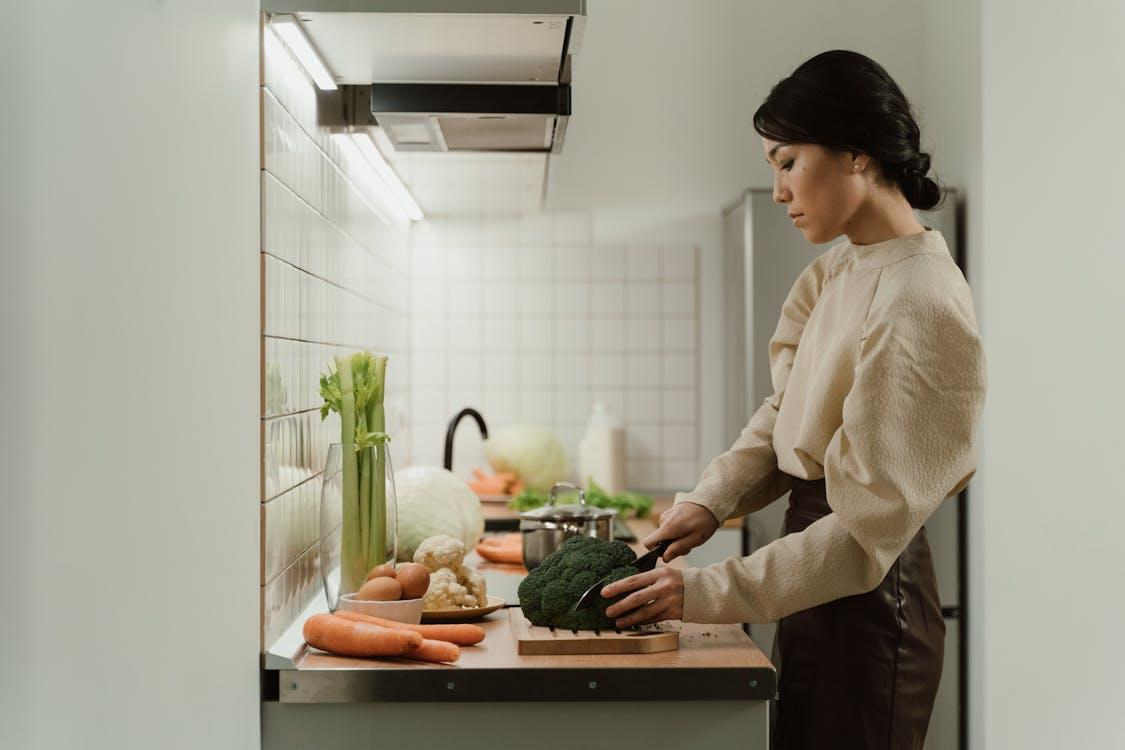
Cooking outdoors turns a meal into something more than nourishment—it becomes a personal expression shaped by setting, memory, and instinct. Flames, smoke, and open air create a stage where each cook brings their own rhythm, improvisation, and flavor sensibility to the experience. These moments invite creativity, blending nature and nourishment into something meaningful.
This kind of cooking reflects more than technique. Ingredient choices, the way heat is handled, and how people gather around the fire all speak to a cook’s individuality. Every decision—from setup to seasoning—tells part of a story, turning casual meals into acts of self-expression shared in real time.
Flavor as the Foundation of Personal Style
Making bold flavor combos is a strong way to show personality in outdoor cooking. Custom spice rubs, BBQ seasonings, and unique blends can turn simple ingredients into standout meals. These choices reflect not just taste but also a deeper link to cultural roots and culinary influences. Every pinch of spice or splash of sauce adds a layer of meaning, pulling from a mix of memories and traditions.
Trying out local and global flavors invites bold pairings that can lead to exciting new tastes. Combining familiar spices with unexpected herbs can really improve a meal. Here’s an idea: make a homemade spice mix that reflects your background to create a dish that connects on a personal and shared level.
Spaces that Speak: Configurations of Outdoor Cooking
The setup of an outdoor cooking space reveals how a cook thinks and creates. A minimalist layout, with just the essentials, invites spontaneity and keeps the focus on ingredients. It encourages quick decisions, in-the-moment creativity, and a relaxed atmosphere. In contrast, a more elaborate setup—with fire pits, smokers, or prep stations—signals a desire for layered techniques and more intentional planning.
Both approaches speak to personal style. Some cooks thrive on improvisation; others find joy in orchestrated complexity. Designing the space with guests in mind adds another layer—group seating, open prep areas, or communal stations turn the meal into a shared ritual. For example, placing a cutting board at the center of a communal table invites guests to participate directly in the prep process.
Tools as Extensions of Personality
The tools a cook uses outdoors say a lot about their style. Beyond function, they reflect personality and preferences. Choosing a rugged cast iron skillet instead of a shiny steel pan, or going with charcoal instead of gas, helps shape a signature cooking style that goes beyond just making food.
Each tool has its own story, from the comfort of a worn wooden spoon to the precision of a well-sharpened knife. These tools deepen the connection to cooking. If you’re looking to add a personal touch, pick equipment that feels true to your cooking values. It’s a way to let your food reflect who you are.
Social Performance Without Formality
Outdoor cooking naturally invites interaction, turning the cooking process into a shared, dynamic experience. Guests can offer ideas, lend a hand, or simply enjoy the unfolding meal together. These casual exchanges blur the line between cook and diner, transforming the act of making food into a collaborative event.
When friends bring their own ingredients or suggest variations, the meal becomes a reflection of many voices and traditions. Invite this kind of spontaneity—ask each guest to share a favorite spice or story behind it. The result is more than just a dish; it’s a memory built in real time.
Seasonal Moodboards in Edible Form
As the seasons change, so do the flavors and moods of outdoor cooking. Spring brings fresh herbs and greens, summer adds bright fruits and bold flavors, fall introduces cozy ingredients like squash and apples, and winter calls for rich, slow-cooked comfort foods. These seasonal shifts do more than affect taste—they bring in the feel of the natural world, shaping meals over time.
Adjusting recipes to match the season adds depth and a sense of place to the cooking experience. Tuning into what’s fresh locally builds a connection between cook and environment. One idea: build a seasonal menu using peak ingredients. It adds both a nostalgic and fresh feel to every dish.
Outdoor cooking is a canvas for personal expression, where every element—from spices to tools—reveals something about the cook behind the flame. The act itself becomes a celebration of identity, shaped by memories, moods, and the moment. Friends gathered, ingredients shared, and stories exchanged around the fire turn each meal into a collective memory. Let the seasons guide your ingredients, and let your instincts shape the process. Whether the setup is simple or elaborate, the experience becomes richer when shared. Cooking outdoors isn’t just about making food—it’s about creating something meaningful, flavorful, and unmistakably yours in the open air.
Write and Win: Participate in Creative writing Contest & International Essay Contest and win fabulous prizes.
About the Author