Ayodhya Traveling religion
The total number of Foreign Tourist Arrivals (FTA) in India was 7.68 million in 2024, and the Mahakumbha Mela alone attracted 71.4% of those foreign visitors which is approximately 5.5 million. Furthermore, 60% of domestic Indian tourism was driven by religious purposes. This reflects on how religion plays a salient role in tourism, especially in a country like ours, with a plethora of pilgrimage sites and a fascinating tale behind each. This essay will explore the role faith plays in Indian tourism, the causes behind the amounts of tourists to religious spots in India, the benefits they hold as well as measures that need to be taken in order to ensure a comfortable experience for all.
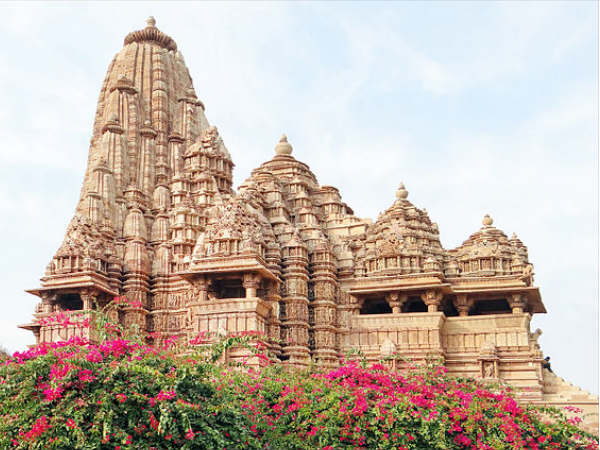
Temples in India attract millions of tourists from the country and abroad alike. Indians usually visit temples to take a break from the chaos of the everyday world, seeking solace with their deity. Some also perceive this as an opportunity to connect with their roots and history, especially the younger Indian generation, who drift apart from faith due to it not being significant in their day to day life. They look for the answer to life in Indian philosophy and attempt to explore and embrace their cultural identity. The older generation, in contrast, grew up sharing a close bond with faith and religion. They believe visiting pilgrimage sites assists them in attaining salvation or “Moksha”. Most elderly people in the country express the desire to visit temples as a “last wish”, particularly the Char Dhams including Badrinath, Kedarnath, Gangotri and Yamunotri.
Foreign visitors, on the other hand, who often belong to Abrahamic religions like Christianity, Islam and Judaism, are fascinated at the contrast of Indian spirituality compared to their beliefs, while some having a desire to delve deep into the sea of Indian spirituality and Hinduism find religious spots the best way to explore and even personally experience it. They also find knowledgeable pundits and ascetics to clear any potential doubts. Other individuals, theists and atheists alike, wish to explore spirituality nowadays in an attempt to discover themselves and explore Indian spirituality for the same purpose. A huge factor of religious tourism in India by foreigners is also the vibrancy and the diversity of Indian culture, which invites interested photographers as well.
The Maha Kumbh Mela is going to be etched in the books of Indian history with golden ink. Over 660 million people all over the country and the world visited Uttar Pradesh to take a dip in the confluence of Ganga and Yamuna. Moreover, colossal amounts of people from abroad visited the Mahakumbha to observe Indians and their culture through a closer lens, since the entirety of India could be seen just in the humble city of Prayagraj. From a common man to prominent celebrities, all were present in one lively city. Everyone desired to participate in the once-in-a-144-years spiritual gathering.
People visited the grand fair for varying reasons. Some believe the Mahakumbha was a spectacle of faith in action, devotion pulling people from their daily life to the Prayagraj. Others state they were enthralled by the chaotic serenity of the assembly.
Faith based tourism in India needs to be promoted as it serves many benefits. International tourists coming to India would encourage the government as well as the locals to preserve pilgrimage sites due to the monetary reciprocity, which would help the generations to come to understand their cultural identity. Tourists generate employment in areas nearby like tour guides, food centre owners and artisans, especially in the rural areas where individuals are marginalized and treated as secondary citizens. Employment empowers them and contributes to development in their villages. It also stimulates the economy of the nation as a whole.
International tourists visiting spiritual sites result in cultural exchange as well. In the long run, this exchange bridges cultural differences and reduces discrimination. Interaction with other cultures also leads to exchange of ideas which encourages people to scrutinize flawed social norms and think from diverse perspectives.
However, this journey usually proves to be quite stressful for tourists and pilgrims. Oftentimes, huge and desperate crowds gather in a small area which result in tragedies like the Maha Kumbh Mela stampede, which ended in over 100 casualties. Better crowd management needs to be implemented by the government. Additionally, good infrastructure ensures that the visitors are comfortable.
Rivers are a major part of Hindu faith and pilgrimages often revolve around them. Unfortunately, they are generally found corrupted with human excrement and garbage floating in their pious water owing to lack of restrooms and disposal bins in the surrounding areas. Appropriate measures need to be taken by the government to resolve these issues, for the convenience of tourists and nearby residents alike.
In conclusion, religion plays a significant role in Indian tourism, mostly consisting of pilgrims seeking serenity and curious tourists wishing to explore a culture. Maha Kumbh Mela will forever stand as a testament of the potential of faith based tourism in India. Such tourism is beneficial for several reasons, like empowerment of rural citizens, generation of employment, contribution to the economy, preservation of heritage and cultural exchanges. However, measures need to be taken in order to ensure a comfortable journey for travellers, like crowd management, construction of restrooms and installing trash cans. Ultimately, it is essential for us to recognize the significance of religion in India’s tourism and promote it.
By: Navya Singh
Write and Win: Participate in Creative writing Contest & International Essay Contest and win fabulous prizes.
About the Author