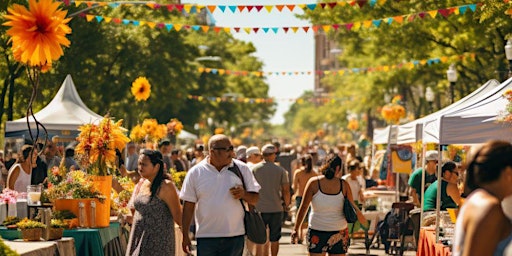
FESTIVALS- a day or time when people celebrate something. This is the definition of festivals given by google. But a festival is something that can’t be expressed through words, it is something that can be felt, it is something that brings happiness, joy and excitement to the people who try to feel the excitement of these festivals. They can be felt through different feelings and mediums, the medium through which all the festivals can be felt all around the world is something that all of us enjoy, we need that thing from sunup to sundown, without it, life is unimaginable, it is something that everyone in the world enjoys and it is FOOD. The cuisine of festivals has a rich history. Every ingredient of these food expresses a new aspect of the festival that it is associated with.
Food eaten during festivals is more than just a food item it has a special place in the hearts of the people that celebrate that festival. October is the month in which many festivals fall. One of them is the day of the dead or Dia De Los Muertos, celebrated most grandly in the country of Mexico, this celebration is unlike any other celebrated in the world. It is the only festival in the world that instead of mourning the dead celebrates them.
One of the ingredients used in the celebration food is marigolds or Flor De Muertos. They signify the fragility of life and guide the souls to their alters. The highlight of this celebration is the food. Just like day is incomplete without sun the day of the dead celebration is incomplete without Pan De Muertos or the bread of the dead, a sweet roll sprinkled with powdered sugar and topped with sugar skulls is made in all the bakeries and houses leading to the celebration day and just like sweet treats are eaten year-round but they are eaten and sold the most during Halloween time, Tameless, a traditional Mexican food is eaten year-round but they get even more popular during the celebration time. Tamales, a dish whose roots date back to the ancient civilization of the Mayans and the Aztecs, that is made of masa dough, a dough made of corn, and is filled with various stuffings.
The masa dough stuffed with various ingredients and then steamed. Before steaming the tamales are wrapped in Banana leaves. Popular tamale fillers include different types of meats or cheese. Like peanut butter and jelly is the combination that is fun and delicious at the same time. Coming to Mexico and in Mexico moving towards the festival time, a combination that has the same fun and deliciousness if not more is Tamales and Atole De Elote or simply Atole, a drink that tastes best when served warm, it mainly consists of corn, milk, water, unrefined cane sugar, salt, vanilla extract and some cornstarch.
The corn kernels, milk and water are blended until it forms a puree like consistency, then it is strained through a mesh, furthermore it is stirred on top of a flame while adding salt, sugar and cinnamon, finally cornstarch mixed with water is then added to make this amazing Mexican drink as delicious as it sounds. Other than all the super savory dishes prepared during this festival of the dead, many splendid sweets are prepared during this festival, one of the most eaten sweet of the celebration time is Caramel flan. Made with milk, cream, sugar and vanilla it tastes exquisite and is slightly bitter: From Asia to Africa festivals have the same excitement for the people of the area. In Myanmar the Thadingyut festival is celebrated with a lot of excitement. Also known as the lighting festival of Myanmar. It celebrates the return of Buddha from heaven to earth after teaching Abhidhamma to his mother in the heavens. It is the second most celebrated festival in Myanmar. Lord buddha is welcome to Myanmar in many ways, including visiting pagodas to pay homage to the almighty, young people give their elders, teachers and parents gifts including fruits, and other things. Other than these rituals another important way of celebrating this festival is by enjoying the traditional food of Myanmar.
Mohinga, is a fish-based soup made with rice noodles. It is often considered the national dish of Myanmar and is one of the many delicacies eaten and prepared during the lighting festival. Other than that, Shwe Kyi is also eaten during the festival when lord Buddha is welcomed to earth. It is basically a sweet semolina cake made with coconut. Delicious food is eaten with most pleasure in this festival, but pickles are also eaten with just as much pleasure. One of the most eaten pickles is Lahpet Thoke. Which is not actually a proper pickle but a pickle salad made with tea leaves and is most popularly enjoyed with rice dishes. An amazing thing about this festival is that it brings people and families together. The people that once didn’t even talk, share a meal with each other during this festival; Festivals are evolving from year to year and this change is being reflected in the cuisine of these festivals. The Dusshera that was once celebrated by meeting distant family members and sharing a meal with them has evolved to just sending a message to our relatives. The samosas and jalebis eaten while seeing the Ravana effigy burn has modified into seeing the effigy burn and walking to the nearest restaurant for dinner.
All the above-mentioned points about the evolution of festivals from year to year does not point towards the idea that all the evolutions in the festivals are ill natured. In my opinion when the cuisine, traditions and customs are preserved while walking towards a new a better world festivals become better and more fun for everyone. Other than tasting totally delicious these fantastic food festivals boost the economy of a country. India is a country that is an amazing example of economy boost through the food of festivals. Some examples of the boosting economy are the ones mentioned below. To begin with they provide direct support to many small businesses. During Dusshera times many local vendors put up little stalls and shops near where the Ravana effigy is burnt. This practice provides a platform to the local artisans and small business owners to showcase and sell their products to people who have come to enjoy the food and festival. Secondly these festivals provide jobs to many people, taking the same example of another Indian festival of Durga Pooja in Bengal.
Reports from google show that an estimated 3lakh people were employed during the Durga pooja celebrations, moreover the festive season in India contributes about 9 to 10 percent to the GDP (gross domestic products). Finally, it promotes cultural heritage. Food eaten during festivals are not only found on streets and are not only eaten as street food that have a modern or traditional twist. Some foods have a direct connection to the almighty. Taking the example of Ganesh Chaturthi that celebrates the honor of the birth of the god in Indian mythology that removes all obstacles and provides prosperity and wisdom, Lord Ganesha. The food that lord Ganesha is associated with is Modak. It somewhat resembles a dumpling; it is made of rice flour and is steamed with a filling of coconut and jaggary. This delicious delicacy sounds as mouthwatering as it tastes.
Whenever eating a Modak in India, one always thinks of Ganapati ji. This dish holds a special place in all the devotees of Lord Ganesha; thus, this food has a direct connection to the devotion of Ganesh ji. In conclusion all I want to say is that the food we eat is not normal it is special is one or the other way, the food that is most special is the one eaten during the time of festivals. The food eaten and served during the festivals is more than just something we eat to satisfy our hunger. Moreover, festival food holds and reflects our culture, traditional cuisine, heritage and memories of the festival of which it is associated with all in one tasty, delicious and mouthwatering bite.
By: Nivish Sharma
Write and Win: Participate in Creative writing Contest & International Essay Contest and win fabulous prizes.
About the Author