Perfume business
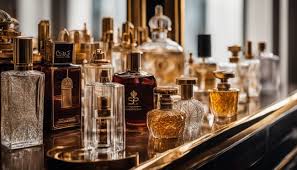
| As the sun streams through my window and illuminates the row of perfume bottles on my shelf, I am not beholding glass and liquid. I am gazing at unseen ledgers, behind-the-scenes bargains, and decisions made thousands of miles away. To the rest of the world, perfume means luxury, art, or memory. To my ear, every bottle also whispers numbers: ingredient costs, ad budgets underwriting flash campaigns, the shipping logistics of moving something so delicate to every corner of the earth. Perfume is ephemeral, but perfume business is as concrete as any budget statement.
I lived through this dichotomy firsthand creating my own fragrance in a class in perfumery. In school, I had made changes to accords with no problem, borrowing a note of amber here or cooling a proposal with citrus there. It was a pleasure, as if painting on air. But in business, every drop has a price. Bulgarian rose oil, extracted from tons of flowers, is thousands of dollars a kilo. Madagascar vanilla, due to poor crops, has gone up more than fivefold. Companies have options: do they wager on natural ingredients with the risk of unpredictability, or wager large on synthetic molecules that are less risky but more costly to produce? What had appeared to me to be creativity was, in business, also risk management. Research and development isn’t any softer. In the lab, I could try infinite tests at no cost. With brands, every test is actual money. Large houses like LVMH can indulge in hundreds of flops without blinking, but independent perfumers must budget every dollar. A mere bad batch threatens viability. Not all new fragrances are a creative gamble, but a financial one. I remember my own experiments—testing top, middle notes, and base notes—and how, in commerce, these subtle tweaks translate to man-hours and tens of thousands of dollars. And marketing. The unadorned cost of a bottle of perfume is not high; occasionally lower than fifteen percent of the ultimate retail price. What accounts for the remainder? Celebrity endorsements, global promotion campaigns, and retail margins. Chanel No. 5 has survived a century not just because of its aldehydes but because of decades of deliberate investment in myth-building. Dior’s Sauvage relies as much on its spicy, green scent as on Johnny Depp campaign spend of millions, billboards, and social media. For niche labels, digital storytelling replaces old media, with TikTok or Instagram employed to reach individuals effectively. In perfume, perception is as valuable as manufacture, and finance underwrites them both. Sustainability is where finance appears most urgent and real to me. Shoppers these days would like to inquire beyond “How does it smell?”—they would like to inquire, “How was it produced/made?” Eco-friendly packaging, ethically sourced materials, hypoallergenicic ingredients: all of this is not free. These expectations have a price tag in advance investment in clean energy, supply chain research, and even lab-grown molecules. Yet they are not merely costs—they are strategic investments. Those that turn green now attract the interest of ESG-investors, establish long-term consumer trust, and pre-empt stricter regulations in the future. My own dream of producing hypoallergenic, green perfumes is not only fanciful; it is also corporate strategy. The bottle I dream of producing one day may be proof that artisanal skills, values, and money can peacefully cohabitate. Even aside from branding and formulation, distribution breaks or makes success. Department stores offer prestige at the expense of high margin and restrictiveness. Online channels reduce barriers to entry but require ad and logistics costs. Gatekeepers like Ulta and Sephora control retailers, and winning shelf space requires product quality and brawn. Finance controls the path from the lab bench to the dresser of the consumer, determining what makes it onto a person like me, spraying fragrance into the air each morning. Technology accelerates this integration of perfume and finance. Artificial intelligence already forecast which perfumes will be needed, reducing costly trial and error. Blockchain tests authenticate uncommon bottles, even establishing “digital perfumes.” Green bonds and sustainability-linked loans invest billions into eco-friendly fragrance ventures. Perfumes of the future will be created not just by art but by financial imagination, showing that creativity and money cannot be divorced. I look to my own experiments and how much of what I have learned about mixing accords transfers to understanding investment and risk. It would appear to balance a floral middle against a resinous base such as, in small proportion, balancing a portfolio of expenses, revenues, and reserves. My shelf isn’t a mess of scents; it is a classroom, demonstrating how creativity, planning, and capital are woven together to create something meaningful and valuable to emerge. Each bottle contains its lesson. Some of those lessons are patience, some risk management, some vision. Byredo Bal d’Afrique reminds me of daring actions, alluring ingredients, and guts in taking a leap without promise of outcome. Tom Ford White Suede is harmony, unobtrusive investment, and attention to detail impacting long-term worth. Jo Malone English Pear & Freesia is a masterclass in trend-spotting and learning from failure and being receptive to discovery. Each perfume is a story and a case study of business. Perfume has taught me that finance isn’t about numbers on a piece of paper. It is in each petal, each test, each ad, each contract. Artistry, strategy, durability all combined, and to comprehend one without the other would be incomplete. We are preparing to take my collection with us overseas to college, and I know perfume is more than a hobby—it’s a lens through which to view the art of business. Perfume is poetry, but profit, planning, potential. To know fragrance is to know finance, beautifully camouflaged in a bottle. By: Sohyun Mun Write and Win: Participate in Creative writing Contest & International Essay Contest and win fabulous prizes. |
About the Author