As the Earth’s temperature increases, my family and I have fewer chances to go outside because it has been too hot to enjoy outdoor activities recently. In addition, my grandparents run a pepper and rice farm. Rain used to fall more steadily, but now we see long dry periods followed by short, intense rainstorms. This causes droughts, which makes them unable to continue farming. This is a personal consequence of the climate change the world faces today.
Defined as a long-term shift in global temperatures caused mainly by humans, climate change is no longer a distant threat, which shows the uncertain future of our generation. Consequently, climate change has become a significant environmental issue; it is our inheritance, not wealth, but ash. The phrase inheritance of ash has the meaning of inheriting a destroyed future. Clear air is a special gift that comes once or twice a year, like a birthday.
We start our day by checking our air quality apps in the morning. We can’t find shade anymore with the tightly packed buildings. Heat and fine dust are now our real inheritance. Our generation has inherited the consequence of environmental neglect, but through awareness and a strong sense of responsibility, we are representing a new hope for a livable future in a more sustainable world.
The roots of today’s climate change lie in the unrestrained ambitions of past generations that prioritized rapid economic growth over environmental sustainability. The old generation built recklessly, focusing only on economic growth and real estate values.
They did not fully consider the use of renewable energy, resulting in an unnecessary increase in electricity consumption and increased greenhouse gas emissions, exacerbating the climate crisis. They also missed the opportunity to fully consider the environmental rights of future generations during development and to actively communicate the importance of the environment.
As a result, the climate change they have caused is destroying natural environments and ecosystems around the world. The pollution they have created is one of the most destructive forces impacting the environment. Through the burning of fossil fuels—such as coal and oil—gases are released and trapped within the atmosphere, which causes global warming. This rise in temperature impacts ecosystems by disrupting natural habits, accelerating the extinction of vulnerable plants and animals that cannot adapt quickly to the changing climate, and changing animals’ life patterns that cause migration to different areas.
Natural disasters such as droughts, floods, and typhoons, serious health problems (e.g., heat stroke, injuries and deaths from natural disasters), food problems (e.g., decreased agricultural production (e.g., decreased squid production due to increased water temperatures), and urban sprawl (e.g., increased pollutants, destruction of ecosystem habitats) are causing many problems.
However, climate change does not just scar the Earth’s surface. Beyond the physical consequences, the moral implications weigh on us. Climate change is caused by humans’ indifference and greed. Countries that emit carbon are rich, and they ask for moral responsibility from poor countries.
For example, urban sprawl destroys ecosystems, disregarding the right to life of plants and animals, causing disaster costs through increased flooding and heat waves, and hurting local economies through the loss of beautiful natural environments and the devaluation of tourism resources. Cities are also a matter of survival, as pollution of air and water can lead to poor health, and disconnection from nature can lead to mental health problems such as stress and anxiety.
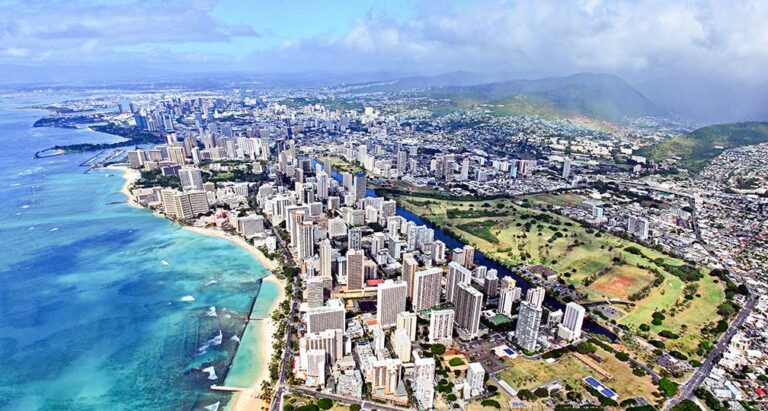
In addition to the consequences of climate change we see throughout the world, I am witnessing its marks in my daily life. I feel the fear of having inherited a fractured world. In stark contrast to the clean air and starlit sky of my childhood, only soot from factories and concrete construction remains. With urban sprawl, nature has disappeared, ecosystems have been destroyed, cities are hotter, and children no longer remember nature (e.g., snow or stars).
My emotions have surpassed fear, feeling anger toward that sprawl which was justified in the name of known and unchecked economic development. Like inheriting a house that collapsed due to someone else’s mistake, I inherited a planet on the verge of collapse. Urban sprawl has brought back noise as a heritage with endless construction sounds, redevelopment of old buildings, and neighborhoods. City lights and colorful signage have left a legacy of no longer being able to see the stars in the night sky.
Climate change is clearly a generational issue. The inheritance that the older generation has given to us has created Earth’s warning signal. The warned younger generation is left to face the consequences: rising temperature, pollution, and biodiversity loss. While the older generation focused on building factories and technology improvements, the younger generation killed two birds with one stone: improving technology and saving the Earth.
For example, unchecked urban development can change the landscape of a city, the space to breathe, and the emotions to feel. Future generations of children will see the sky as gray and every playground as a parking lot, and they may not know the value of nature because they have never experienced forests and soil. We are the first and last generation who can stop this climate change. We are currently facing various climate issues such as droughts, floods, extreme heat, and pollution. We are the generation connecting each other through social media (Facebook, Instagram, or TikTok).
Instead of tearing down and rebuilding, we must reimagine our cities in ways that preserve the past, protect the planet, and create space for both people and nature to thrive. There is a possibility to save resources and reduce carbon emissions by not demolishing old buildings and remodeling them into libraries, cafe exhibition halls, etc.
Cities have lost a lot to overdevelopment, but together we can make them green again. We can do this by embracing sustainable urban planning — expanding green spaces, preserving existing architecture, investing in eco-friendly public transit, and designing cities for people, not just for cars and concrete.
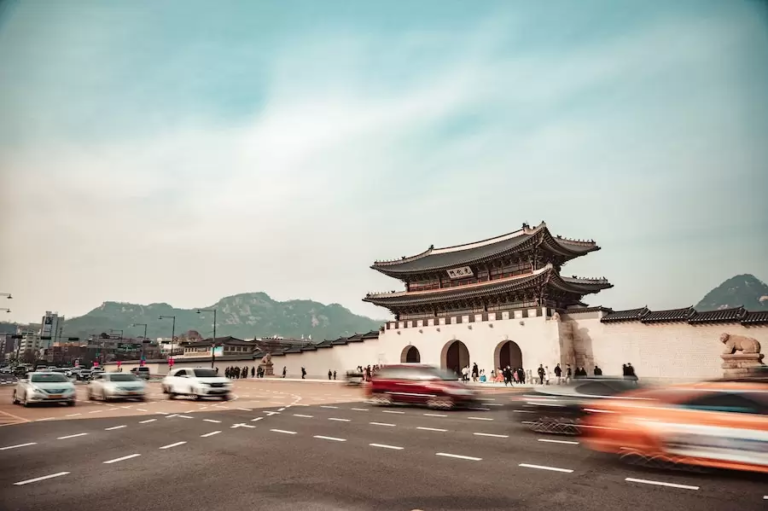
Thinking back to my hometown, there is a possibility and hope that Seoul’s forests, bicycle cities, and walking trails can make the city a better place where nature and humans can coexist. It’s hard to make big changes right now, and more importantly, it’s time-consuming. However, the current generation is seriously aware of the climate crisis and environmental issues and considers environmental protection as an important value in life.
Therefore, I believe that our generation can be the generation that can make a healthy change to our planet. Today’s youth recognize themselves as the climate crisis generation and are changing their lifestyles through small actions, such as going vegan, buying second-hand, and using public transportation, with the awareness that protecting the environment is also protecting themselves.
These changes are crucial, but advances in technology to convert much of the electricity used by cities to renewable energy can have a significant positive impact on the climate crisis. The most powerful changes can slow down the climate crisis, provided that countries and companies take an active interest in the environment. While governments and corporations are primarily responsible for the climate crisis caused by urban sprawl, youth have the right and responsibility to act as watchdogs, proponents, and voices to move governments and corporations.
Our generation has inherited the consequences of long-standing environmental neglect, but we are rising with awareness and a deep sense of responsibility. Through actions both big and small—from daily choices to collective movements—we are becoming a symbol of hope for a more livable and sustainable future.
Youth around the world are courageously fighting the climate crisis, refusing to be silent and making their voices heard in the streets or through content on social media, showing that our generation is not apathetic, but deeply aware, responsible, and ready to lead the change the world needs. Most notably, Greta Thunberg took a Friday off from school to hold a one-woman protest in Parliament to demand climate action, which spread around the world and formed the Fridays for Future movement.
Young entrepreneurs are also using science and IT to develop technologies such as eco-friendly products and renewable energy. Thousands of youth are using Tumblr, taking public transportation, trying to leave no food behind, and reading and discussing climate-related books.
With the knowledge that their future is being threatened, they refuse to stay silent while the planet is suffering. The younger generation wants to build a livable future rather than just watching our habitat being destroyed. A livable future is one where we can enjoy our normal lives without fear of climate disaster, where the seasons are in place and the planet is healthy. In the end, we will all be able to live together in a happy, decent way.
By: Yuseok Lee
Write and Win: Participate in Creative writing Contest & International Essay Contest and win fabulous prizes.
About the Author