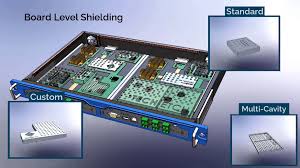
Industrial environments present complex electromagnetic challenges that can significantly impact the performance of electronic equipment. Manufacturing facilities, processing plants, and automation systems generate significant electromagnetic interference from motors, drives, welding operations, and wireless communications. When sensitive equipment lacks proper protection, the results can range from minor signal disturbances to complete system failures that halt production lines.
The selection of appropriate EMC shielding represents a critical decision that affects both operational reliability and regulatory compliance. Modern industrial facilities must strike a balance between electromagnetic protection requirements and practical considerations, including cost, maintenance access, and integration with existing systems.
Understanding EMC Shielding Fundamentals
Electromagnetic shielding encompasses various techniques and materials designed to control electromagnetic interference in industrial environments. The primary function involves creating barriers that prevent unwanted electromagnetic energy from reaching sensitive components while containing emissions that could interfere with nearby equipment.
Electromagnetic compatibility has evolved from a secondary consideration to a primary design requirement in modern industrial systems. The proliferation of electronic controls, variable frequency drives, and wireless communication systems has created electromagnetic environments far more complex than those encountered just a decade ago. These conditions demand sophisticated shielding strategies that address multiple interference sources simultaneously.
The effectiveness of EMC shielding depends on three fundamental mechanisms: reflection, absorption, and redirection of electromagnetic energy. Conductive materials excel at reflecting electromagnetic waves, while specialized absorptive materials convert electromagnetic energy into harmless heat. Understanding these principles enables informed decisions about material selection and shielding design.
Identifying Your Shielding Requirements
Determining Interference Sources and Frequencies
The electromagnetic landscape of industrial facilities varies dramatically based on the types of equipment and processes involved. Power electronics, such as variable frequency drives and switching power supplies, typically generate interference in the kilohertz to megahertz range. Radiofrequency communications and wireless systems operate in higher frequency bands, while magnetic interference from large motors and transformers concentrates at lower frequencies.
Successful EMC shielding begins with comprehensive site surveys that identify dominant interference sources. Professional electromagnetic compatibility assessments use spectrum analyzers to map the frequency content of ambient electromagnetic fields. This data reveals which frequency ranges require the most attention and helps prioritize shielding investments.
Common industrial interference sources include:
- Switching power supplies and motor drives
- Arc welding equipment and plasma cutters
- Radiofrequency heating and induction systems
- Wireless communication networks and cellular repeaters
Regulatory compliance adds another layer of complexity to shielding requirements. Standards such as FCC Part 15 in the United States and the EMC Directive in Europe establish mandatory limits for both emissions and immunity. Equipment operating in regulated environments must demonstrate compliance through standardized testing procedures.
Equipment Sensitivity Assessment
Not all industrial equipment requires the same level of electromagnetic protection. Robust programmable logic controllers and motor drives typically withstand moderate interference levels without performance degradation. However, precision measurement instruments, analog signal processing equipment, and high-speed data acquisition systems demand comprehensive EMC shielding to maintain accuracy and reliability.
The assessment process involves examining manufacturer specifications for electromagnetic immunity levels. Most reputable equipment suppliers provide detailed electromagnetic compatibility data that specifies immunity thresholds for various interference types. This information guides shielding specification and helps establish protection priorities.
Critical systems warrant special attention during the assessment phase. Safety-related controls, emergency shutdown systems, and process monitoring equipment require the highest levels of electromagnetic protection. The consequences of interference-induced failures in these applications can include personnel injury, environmental damage, and significant financial losses.
Material Selection and Design Considerations
Choosing Appropriate Shielding Materials
Material selection represents the cornerstone of effective EMC shielding design. Each conductive material offers distinct advantages and limitations that must be evaluated against specific application requirements. The choice between copper, aluminum, and steel involves balancing electromagnetic performance, environmental resistance, and economic considerations.
Copper delivers superior electromagnetic shielding effectiveness across broad frequency ranges due to its exceptional electrical conductivity. The material provides excellent protection against both electric and magnetic fields, making it suitable for demanding applications. However, copper’s higher cost and potential for corrosion in harsh environments must be considered during material selection.
Aluminum has emerged as the preferred choice for many industrial EMC shielding applications. The material offers good electromagnetic performance at a significantly lower cost than copper while providing excellent corrosion resistance. Aluminum’s lightweight properties and ease of fabrication make it particularly suitable for large enclosures and complex geometries.
Key material properties to consider:
- Electrical conductivity and magnetic permeability
- Corrosion resistance and environmental durability
- Mechanical strength and fabrication characteristics
- Cost and availability for specific applications
Specialized shielding materials address unique application requirements. Mu-metal and other high-permeability alloys excel at magnetic field shielding but require careful handling and processing. Conductive fabrics and flexible materials enable the shielding of irregular shapes and moving components.
Enclosure Design and Construction
The transition from material selection to practical enclosure design requires careful attention to electromagnetic continuity and mechanical integrity. Solid metal construction provides superior electromagnetic performance compared to coated plastic alternatives, but cost and weight considerations often favor hybrid approaches.
Plastic enclosures can achieve effective EMC shielding through specialized surface treatments. Copper conductive paint and aluminum vapor deposition create electrically conductive surfaces that provide electromagnetic protection while maintaining the cost and weight advantages of plastic construction. These coating processes require precise application techniques to ensure uniform coverage and long-term durability.
While standard boxes work for some setups, many industrial projects need specific dimensions and shapes. Engineers often find that off-the-shelf options do not fit the exact space or mounting requirements of their facility. This is where custom electrical enclosures are a practical choice to house sensitive components. These units are made to fit the specific layout of a plant and meet the necessary shielding standards. Materials like stainless steel or mild steel have the strength to handle both physical wear and electromagnetic needs. A precise fit helps ensure that all internal parts stay protected from outside interference.
Ventilation and Cable Management
Industrial equipment often generates significant heat that requires ventilation for reliable operation. Traditional ventilation approaches create apertures that compromise electromagnetic shielding effectiveness. Specialized ventilation solutions maintain airflow while preserving electromagnetic integrity through carefully designed conductive elements.
Honeycomb ventilation panels represent an elegant solution to the ventilation-shielding challenge. These components feature hexagonal cell structures that attenuate electromagnetic energy while permitting substantial airflow. The cell dimensions determine the cutoff frequency above which electromagnetic attenuation occurs.
Cable management presents another critical aspect of EMC shielding design. Every cable penetration represents a potential electromagnetic leakage path that must be properly addressed. EMC cable glands provide essential connectivity between cable shields and enclosure grounding systems, maintaining electromagnetic continuity throughout the installation.
Essential cable management considerations:
- Proper shield termination and grounding techniques
- Separation of power and signal cables
- Use of shielded cable assemblies for sensitive circuits
Implementation and Testing Strategies
Prototype Development and Validation
The transition from theoretical shielding design to practical implementation requires systematic testing and validation. Prototype development allows the exploration of different approaches without the commitment of full-scale production. Early testing identifies potential issues that can be addressed during the design phase rather than after installation.
Laboratory testing provides controlled environments for accurate shielding effectiveness measurements. Anechoic chambers eliminate external electromagnetic interference that could affect test results. Specialized test equipment measures shielding effectiveness across wide frequency ranges, typically expressed in decibels of attenuation.
Field testing in actual operating environments reveals real-world performance characteristics that laboratory testing cannot replicate. Industrial facilities contain electromagnetic interference sources that may not be present in laboratory environments. This testing phase often uncovers unexpected interference sources or coupling mechanisms that require design modifications.
The validation process should include both electromagnetic compatibility testing and functional performance verification. EMC shields must not only provide electromagnetic protection but also maintain equipment functionality, thermal management, and maintenance accessibility. Comprehensive testing addresses all these requirements simultaneously.
Integration with Existing Systems
Successful EMC shielding implementation requires seamless integration with existing equipment and facilities. Retrofit installations present particular challenges because shielding must be incorporated without disrupting ongoing operations. Modular shielding approaches enable phased implementation that minimizes operational disruption.
Manufacturing considerations significantly impact both cost and delivery schedules for custom EMC shielding solutions. Vertical integration from suppliers offering both shielding materials and fabrication services can streamline procurement and reduce lead times. Standard products may offer cost advantages for common applications, while custom solutions address unique requirements.
Installation procedures must preserve electromagnetic continuity throughout the equipment lifecycle. Training programs ensure that maintenance personnel understand the importance of proper shielding installation and the consequences of inadequate electromagnetic protection. Clear documentation identifies critical shielding components and specifies installation requirements.
Cost-Benefit Analysis and Long-Term Performance
Economic analysis of EMC shielding investments requires consideration of both direct costs and potential consequences of inadequate protection. Initial material and installation costs represent only a portion of total ownership expenses. Maintenance requirements, replacement schedules, and potential failure costs must be included in comprehensive economic evaluations.
Environmental conditions significantly affect long-term shielding performance and maintenance requirements. Temperature cycling, humidity exposure, and chemical contamination can degrade conductive coatings and gasket materials. Material selection must account for expected environmental exposure throughout the equipment’s operational life.
Performance monitoring and maintenance programs preserve shielding effectiveness over extended periods. Regular inspection protocols identify gasket compression loss, corrosion damage, and mechanical wear that can compromise electromagnetic protection. Preventive maintenance schedules should include specific provisions for EMC shielding components.
The long-term value of quality EMC shielding becomes apparent through reduced maintenance costs, improved equipment reliability, and enhanced regulatory compliance. Organizations that invest in comprehensive electromagnetic protection typically experience fewer interference-related failures and reduced troubleshooting expenses.
In Conclusion
The selection of optimal EMC shielding for industrial equipment demands systematic analysis of electromagnetic environments, careful material selection, and thorough implementation planning. Success requires an understanding of both electromagnetic principles and practical engineering considerations that affect real-world performance.
Effective EMC shield strategies address current operational requirements while providing flexibility for future expansion and technology evolution. The investment in quality electromagnetic protection typically yields significant returns through improved reliability, reduced maintenance costs, and enhanced regulatory compliance.
Industrial facilities benefit most from comprehensive approaches that integrate EMC shielding with overall system design rather than treating electromagnetic compatibility as an afterthought. Professional expertise can guide complex shielding decisions and ensure optimal protection for critical industrial systems.
Write and Win: Participate in Creative writing Contest & International Essay Contest and win fabulous prizes.
About the Author