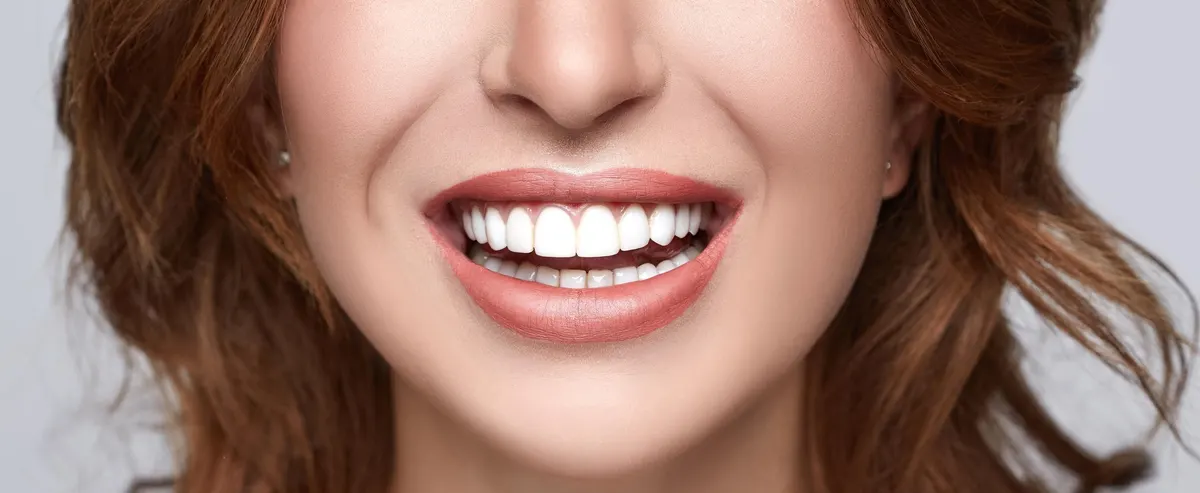
There’s something about those perfect smiles you see in magazines and on red carpets. They look bright, symmetrical, and somehow effortlessly polished without screaming “fake teeth.” The secret behind many of those transformations? Porcelain veneers have become the go-to solution for people who want a flawless smile that still looks completely natural.
But what makes porcelain so special compared to other materials used in cosmetic dentistry? The answer comes down to how this particular material interacts with light, resists staining, and can be customized to match the unique characteristics of natural teeth.
The Science Behind That Natural Glow
Natural teeth aren’t just white surfaces. They have depth, translucency, and subtle variations in color that make them look alive. When light hits a real tooth, some of it bounces off the surface while some penetrates the enamel and reflects back from deeper layers. This creates that slightly luminous quality healthy teeth have.
Porcelain is one of the few dental materials that mimics this property. It has a similar translucency to natural tooth enamel, which means light behaves the same way when it hits a porcelain veneer as it does with your real teeth. This is why well-made porcelain veneers blend so seamlessly with surrounding teeth—they’re literally reflecting light the same way.
Other materials used in dentistry can look great initially, but they often have a flat, opaque quality that gives them away under certain lighting conditions. Porcelain’s ability to let light pass through creates dimension and prevents that “Chiclet teeth” look that screams cosmetic work.
Why Porcelain Resists the Stains That Ruin Other Treatments
Here’s something that surprises a lot of people: porcelain veneers are actually more stain-resistant than natural teeth. The surface of porcelain is incredibly smooth and non-porous at a microscopic level, which means there aren’t tiny grooves and gaps where coffee, red wine, or other pigmented substances can settle in and cause discoloration.
Natural tooth enamel, while strong, is slightly porous. That’s why teeth yellow over time with regular exposure to staining foods and drinks. Many composite materials used in dental work are even more porous, which is why they can discolor faster than natural teeth in some cases.
With porcelain, that smooth surface acts like a shield. Stains literally can’t penetrate the material the way they can with natural enamel. This means the bright, clean appearance of porcelain veneers for teeth stays consistent for years, requiring far less maintenance than repeated whitening treatments or touch-ups with other materials.
The Customization That Makes Each Smile Unique
One of the biggest misconceptions about veneers is that they create a “one size fits all” look. The reality is completely different. High-quality porcelain veneers are custom-designed for each person, taking into account factors like face shape, skin tone, age, and personal preferences.
Teeth aren’t uniform in color. They have subtle gradations from the base near the gums to the biting edge. Younger teeth tend to have more translucency at the edges, while older teeth often show more opacity. The best cosmetic work replicates these natural variations rather than creating a flat, uniform color.
Porcelain allows for this level of detail because it can be layered and shaded during the fabrication process. Different areas of a single veneer might have slightly different levels of translucency or subtle color variations that match how natural teeth actually look. This attention to detail is what separates results that look believable from ones that look obviously artificial.
Strength That Protects Your Investment
There’s a common worry that porcelain might be fragile since we associate the material with delicate teacups and decorative plates. The porcelain used in dental work is actually a different formulation altogether—it’s engineered to withstand the significant forces that happen during chewing and biting.
Modern dental porcelain is reinforced to be extremely durable. Once it’s bonded to the tooth structure underneath, it becomes part of an integrated system that can last 10 to 15 years or even longer with proper care. The bonding process itself adds strength because the veneer and tooth essentially function as one unit.
This durability matters because it means the results stay consistent. Some cosmetic dental treatments can chip, crack, or degrade over time, requiring frequent repairs or replacements. Porcelain’s strength means that initial result—that magazine-cover smile—stays intact for years without deteriorating.
The Role of Shape and Proportion
Color and translucency get a lot of attention, but shape plays just as important a role in creating an attractive smile. Teeth that are too square, too rounded, or disproportionate to each other can throw off the entire appearance of someone’s face.
Porcelain veneers can address shape issues that would be difficult or impossible to fix with orthodontics alone. Teeth that appear too small can be made slightly larger. Teeth with worn-down edges from grinding can be restored to their original length. Minor gaps and spacing issues can be closed without braces.
The material is thin enough (usually about 0.5mm thick) that it doesn’t create a bulky or unnatural profile, but strong enough to reshape teeth in meaningful ways. This combination of minimal invasiveness and maximum impact is part of what makes the treatment so popular for smile transformations.
How Surface Texture Affects the Final Look
This is a detail most people don’t think about, but it makes a huge difference in the final result. Natural teeth aren’t perfectly smooth. They have subtle texture and slight irregularities on the surface that affect how light bounces off them.
Skilled dental technicians replicate this texture when creating porcelain veneers. Some areas might be slightly more matte while others have a bit more shine. The biting edges of front teeth naturally have tiny ridges and variations that catch light differently than the flat surfaces. These details are what make veneers look like they grew in your mouth rather than being placed there.
Making the Results Last
One of the best things about porcelain veneers is how low-maintenance they are compared to other cosmetic treatments. Regular brushing and flossing is usually all that’s needed to keep them looking great. They don’t require special toothpastes or complicated care routines.
That said, treating them with reasonable care makes sense. Avoiding habits like chewing ice or using teeth to open packages helps protect any dental work, natural teeth included. Regular dental checkups ensure the bonding stays intact and any potential issues get caught early.
The combination of stain resistance, durability, and that light-reflective quality means porcelain veneers maintain their appearance year after year. That magazine-cover smile doesn’t fade or yellow over time—it stays as bright and natural-looking as the day the veneers were placed. For people who want lasting results that don’t require constant upkeep, that consistency is worth considering.
Write and Win: Participate in Creative writing Contest & International Essay Contest and win fabulous prizes.
About the Author