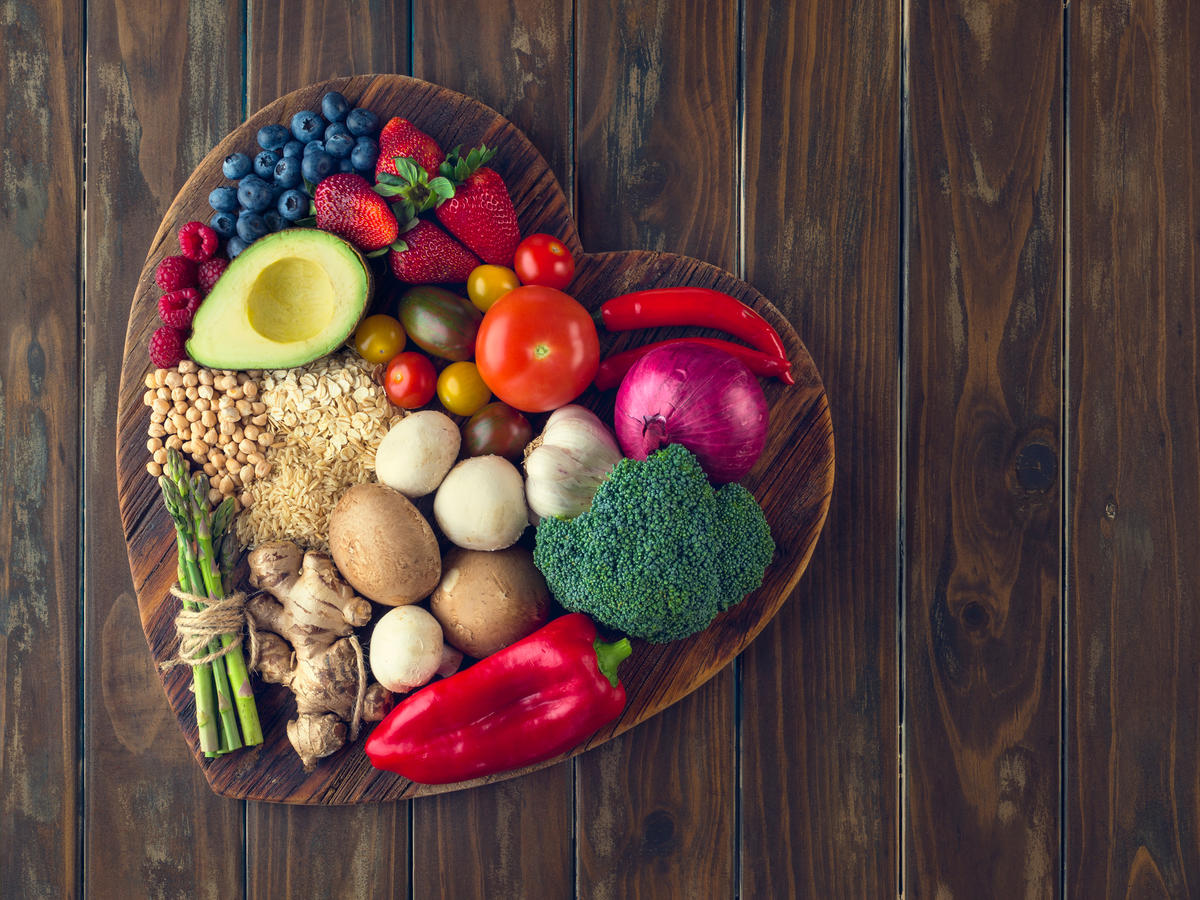
Food is the cornerstone of human life, sustaining not only survival but also health, economic development, and social well-being. In the 21st century, food systems are undergoing rapid transformation. Globalization, technological advancements, urbanization, and climate change have dramatically reshaped the way food is produced, distributed, and consumed. While the world enjoys unprecedented access to diverse foods, significant challenges remain. According to the Food and Agriculture Organization (FAO), around 735 million people worldwide suffered from chronic hunger in 2022, while over 1.9 billion adults were overweight. This stark contrast highlights the paradox of abundance coexisting with malnutrition.
Food is no longer simply about providing calories; it is deeply tied to human health. Contaminated or unsafe food, poor dietary patterns, and environmental degradation linked to food production directly impact global health outcomes. The World Health Organization (WHO) reports that over 600 million people fall ill annually due to foodborne diseases, resulting in approximately 420,000 deaths each year. These figures demonstrate that modern food systems affect human well-being far beyond nutrition, influencing economic productivity, societal stability, and environmental sustainability.
The challenge is complex: how can global food systems ensure equitable access to nutritious, safe, and environmentally sustainable food? Addressing this question requires understanding the interplay of nutrition, health, technology, cultural factors, and policy. This essay explores these dimensions, highlighting current issues, scientific insights, and potential strategies for creating resilient and health-promoting food systems worldwide.
Global Nutrition Challenges
The Double Burden of Malnutrition
The global population faces a dual crisis: overnutrition in some regions and undernutrition in others. While affluent nations battle obesity, type 2 diabetes, and cardiovascular diseases, low-income countries continue to grapple with chronic hunger and micronutrient deficiencies. This phenomenon is termed the “double burden of malnutrition”. For example, in India, nearly 38% of children under five suffer from stunting, reflecting chronic undernutrition, while adult obesity rates have doubled over the past two decades, affecting urban populations significantly.
Micronutrient deficiencies, often referred to as hidden hunger, affect billions worldwide. Iron deficiency anemia alone impacts over 1.2 billion people globally, with severe consequences for maternal health, child development, and immunity. Vitamin A deficiency, another major concern, contributes to preventable blindness in children and increased mortality from infectious diseases.
Diet-Related Non-Communicable Diseases
Modern dietary patterns in urban and high-income regions are characterized by high intake of processed foods, sugar, salt, and unhealthy fats. The Global Burden of Disease (GBD) study, 2020, estimated that poor diets were responsible for approximately 11 million deaths globally, mostly due to cardiovascular diseases, diabetes, and cancers. Countries like the United States, Mexico, and Brazil have experienced a surge in obesity and diet-related chronic diseases as a result of widespread fast-food consumption and sedentary lifestyles.
Food Safety and Public Health
Foodborne Illnesses
Food safety is a critical aspect of global health. Contaminated food, whether due to microbial, chemical, or physical hazards, poses significant risks. The WHO estimates that unsafe food causes 33 million healthy life years lost annually, with children under five being the most vulnerable. Contaminants such as Salmonella, E. coli, and Listeria are major contributors, particularly in regions with poor sanitation, inadequate refrigeration, and weak regulatory frameworks.
Global Food Supply and Contamination Risks
The globalization of food supply chains has increased both access to diverse foods and the risk of contamination. A single contaminated shipment can affect multiple countries. The 2011 European E. coli outbreak, linked to contaminated fenugreek sprouts, affected over 4,000 people across 15 countries and caused 53 deaths. Such incidents underscore the importance of traceability, monitoring, and international cooperation in ensuring food safety.
Cultural and Lifestyle Influences on Diet
Food choices are deeply rooted in culture, tradition, and lifestyle. In urban areas worldwide, rapid lifestyle changes have contributed to dietary shifts. Traditional diets rich in grains, fruits, and vegetables are increasingly replaced by ultra-processed and convenience foods. In countries like China and India, fast-food consumption has risen dramatically over the past two decades, correlating with increasing rates of obesity and metabolic diseases.
Marketing and media also play a significant role. Aggressive advertising of sugary beverages and snacks, particularly targeting children, has influenced dietary behaviors globally. Moreover, dual-income households and busy urban lifestyles have led to a decline in home-cooked meals, increasing dependence on ready-to-eat processed foods.
Globalization and Dietary Patterns
Globalization has created a borderless food economy, offering access to international cuisines and superfoods. For example, quinoa from South America is now consumed worldwide due to its nutritional benefits. While this global exchange can improve nutrition, it also introduces health risks. The spread of Western-style fast-food chains is associated with increased obesity and chronic diseases in Asia, Africa, and Latin America.
Case Studies
- United States: Over 36% of adults are obese, largely due to high consumption of sugar-sweetened beverages and processed foods.
- Sub-Saharan Africa: While urban populations are increasingly affected by obesity, rural populations still face chronic undernutrition, illustrating the double burden of malnutrition.
- India: Rising income levels have increased meat and processed food consumption, contributing to a surge in lifestyle diseases alongside persistent micronutrient deficiencies in rural regions.
Technological Innovations in Food and Health
Advances in technology are transforming food production, processing, and safety monitoring.
Food Safety Technologies
- High-Pressure Processing (HPP) and Ultraviolet (UV) Treatment reduce microbial contamination while preserving nutrients.
- Smart Packaging and sensors alert consumers to spoilage and contamination.
- Blockchain technology ensures traceability, allowing consumers and regulators to track food from farm to fork.
Nutrition and Food Fortification
Biofortification enhances the nutritional value of staple crops, addressing micronutrient deficiencies. For instance:
- Golden Rice, enriched with Vitamin A, helps prevent blindness in children.
- Iron-fortified beans and wheat combat anemia in vulnerable populations.
Sustainability and Environmental Impact
Food systems impact the environment, which in turn affects human health. Agriculture contributes 21–37% of global greenhouse gas emissions, according to the IPCC. Unsustainable farming practices, excessive pesticide use, and deforestation compromise soil fertility and food quality.
Sustainable diets—emphasizing plant-based foods, reducing red meat consumption, and minimizing food waste—can improve both human health and ecological balance. The EAT-Lancet Commission recommends a planetary health diet to simultaneously address nutrition and environmental sustainability.
Policy Interventions and Global Cooperation
International organizations and governments play a critical role in improving food and health outcomes.
Global Standards and Guidelines
- Codex Alimentarius Commission provides internationally recognized standards for food safety.
- WHO and FAO monitor foodborne illnesses and provide guidance for risk reduction.
National Initiatives
- Chile: Warning labels on high-sugar and high-fat foods successfully reduced consumption.
- India: FSSAI mandates nutrition labeling and campaigns to combat rising obesity and diabetes.
Sustainable Development Goals
SDG 2: Zero Hunger aims to end hunger and ensure access to safe, nutritious, and sufficient food for all by 2030. Achieving this requires collaboration between governments, NGOs, and local communities.
Consumer Awareness and Education
Consumer behavior is critical in determining food safety and nutrition outcomes. Campaigns like WHO’s “Five Keys to Safer Food” promote safe handling and hygiene. Nutrition literacy, emphasizing the benefits of fruits, vegetables, and whole grains, is essential to counter misinformation and fad diets promoted on social media.
Community initiatives such as urban gardens and farmers’ markets increase access to fresh, nutritious foods while promoting local economies.
Future Directions
The future of global food and health depends on integrated strategies:
- Resilient Food Systems: Adapting supply chains to climate change and global crises.
- Innovative Nutrition: Fortified foods, functional foods, and personalized nutrition.
- Sustainable Practices: Reducing food waste, promoting plant-based diets, and limiting environmentally harmful farming methods.
- Global Collaboration: Sharing knowledge, harmonizing safety standards, and addressing inequities in food access.
Scientific innovation, combined with policy, education, and cultural sensitivity, can ensure that food systems promote health for all.
Conclusion
Global food systems are at the heart of human health. In an era of rapid change, balancing nutrition, safety, and sustainability is essential to address the dual challenges of hunger and lifestyle diseases. Data from WHO, FAO, and other agencies underscore the urgency of action: millions of deaths, billions affected by malnutrition, and environmental degradation demand coordinated strategies.
Resilient food systems require technological innovation, sustainable agriculture, policy intervention, and consumer awareness. By bridging the gaps between abundance and deficiency, safety and risk, and production and sustainability, the world can achieve a future where food supports life, health, and planetary well-being. Every decision about what we produce, distribute, and consume shapes the health of populations and the planet.
By: Pratiksha Gaur
Write and Win: Participate in Creative writing Contest & International Essay Contest and win fabulous prizes.
About the Author