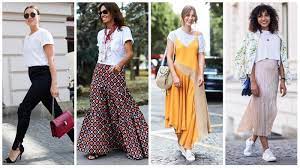
Essential Summer Fashion Pieces
From eye-catching vibrant clothes to the latest collection of shiny brand-new bags— fast fashion is a new ‘trend’ that has taken the whole world by storm. Be it the new summer collection of sundresses or even the rarest assemblage of expensive watches, this ‘trend’ haunts every glossy mall window and glowing advertisement screen. With a new Met Gala outfit going viral in every other Tiktok or Instagram post, today’s society views fashion as a means of expressing oneself freely and impenitently. It usually stands as the means to make a statement through one’s attire and serves as a reflection of one’s self identity. Nowadays, a signature fashion style is not only a form of social identity but rather also a way of staying in the loop of current mainstream trends, hence its popularity.
Fashion has always existed, even since the ancient times. Starting from the togas worn by Romans to denote their ranks to the colorful corsets and farthingales of the renaissance period, personal style has always persisted through history. Through societal and revolutionary developments, among other fields like technology or the medical industry, fashion too has come a long way. However, compared to the olden times there’s a significant difference in the way ‘fashion’ as a whole is marketed and viewed in today’s world. It all started in the 1990s— the introduction of fast fashion.
Fast fashion is a newly developed business model that mass produces up-to-the-minute clothing inspired by the latest trends and give its customers endless choices at low prices. Additionally, it promises style and convenience— which is an added bonus for all its consumers. Social media plays a key role in advertising fast fashion to its target audience, often utilizing popular ‘influencers’ from various famous platforms to advertise it for them. The graphic tees from H&M and the denim shorts from Forever 21, are all part of a much bigger problem than what appears on the surface.
With its advantages like affordable prices, variety and quick access, the cons of this multimillion-dollar industry often seem to overshadow its benefits. The main concern with fast fashion lies in its inherent feature of overconsumption and tremendous environmental damage. Furthermore, the poor labor conditions of low-paid workers working in unsafe environments for the materials of these products only add more to the ethical concerns of this huge business.
Xintang, a town located in the Zengcheng district of Guangzhou in China is known as the ‘denim capital of the world’ due to its huge annual mass production of denim, serving around one third of the global supply. In recent years, the large water consumption from toxic dyes and chemicals dumped into the nearby water bodies have turned the rivers of Xintang blue and black from denim waste, resulting into devastating aftermath to river fauna and flora. Another such horrific case includes the production of garments like sweaters and scarves that involves ‘mulesing’, that is, a painful procedure comprising of cutting off the skin of animals like the Merino Sheep without any painkillers, which ultimately causes infection and inflicts severe pain to the animal. Among these and many similar incidents, these incidents serve as proof of the terrible repercussions of this industry suffered by the environment for the sake of 3-day fashion trends.
Nowadays, instead of lush greenery, there exists mountains of landfill and wastes tucked away in metropolitan cities of every country. Along with the production of items that involve toxic chemicals like PFAS, azo dyes, phthalates and formaldehyde which are carcinogenic, the mere transport of these products are responsible for emitting 4-10% of the global carbon emissions through aviation and shipping that actively cause global warming and climate change.
The name ‘fast fashion’ means exactly as it sounds— speeding clothes to the market and disposing them off just as quickly. Few brands like Zara, Shein, Fashion Nova and Primark steadily participate in boosting this industry and encourage the wasteful culture of overproduction and overconsumption. Most of the fast fashion brands are made of blended materials that can’t be recycled and more often than not, are discarded. Many fast fashion brands ultimately end up incinerating their unsold stock to protect brand value which not only harms the environment but also indicates the waste of the time, labor, cost and materials involved in the entire process. Moreover, the health hazards experienced by the people living near these factories or involved in its manufacturing often suffer from diseases like cancer, skin ulcers, respiratory illnesses like asthma and reproductive issues.
In recent years, reports and news about the dark side of this seemingly unproblematic industry have started to resurface making the youth of this generation question the lawfulness of these high-end brands. As the society develops and progresses, the new generation are more educated and informed on matters regarding the environment through books and media. Most of the youth these days embrace thrifting or second-hand shopping as means of creatively upcycling old clothes into new fashionable styles. Some even give their old clothes a new flare by sewing, dyeing or incorporating accessories into it. The DIY (Do it Yourself) trend of fashion tutorials on platforms like YouTube or TikTok are quite popular among the Gen Z youth, giving them creative liberty of customizing their own garments. The Gen Z youth often prefer local sustainable and ethical brands over fast fashion alternatives and also give more importance to organic materials and fabrics. Not only are they abandoning the trend of fast fashion, they also believe in the concept of having a ‘capsule wardrobe’, that is, buying less items and utilizing and reusing them as much as possible. The future generation believes in raising awareness of the unethical side of the fashion industry and helps people understand the importance of transparent and sustainable brands suitable for the environment.
Despite the overwhelming impacts caused by the fast fashion industry, today’s youth prove that their actions and willingness to bring about a change can meaningfully alter the negative aftermaths of this industry. As responsible citizens, it is the duty of the future generation to protect the environment in a world where fashion no longer comes at the cost of the beautiful green planet we call home.
By: Sayani Ghosh
Write and Win: Participate in Creative writing Contest & International Essay Contest and win fabulous prizes.
About the Author