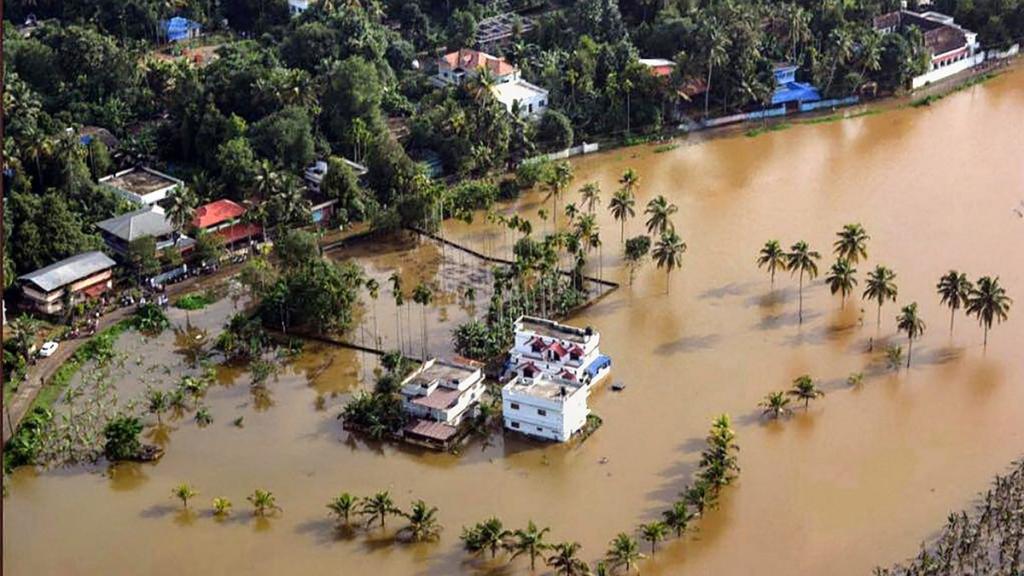
We hear the phrases “global warming,” “climate change,” and “rising sea levels” all the time. Throughout their education, the majority of students come across these phrases on a regular basis. For example, sea level rise is predicted to cause almost 410 million people to live below high tide lines by the year 2100 (Ecowatch, 2021). However, there doesn’t seem to be any real urgency or consistent action in spite of this frequent exposure. Climate change is no longer a compelling call to action, but rather background noise for many. Rethinking how we explain the climate crisis, particularly to younger audiences, is essential to changing this.
The current younger generation is growing up in an environment where seasonal patterns are no longer consistent. Summers begin earlier, heat waves are more intense, and extreme weather events such as typhoons and floods are increasingly unpredictable. These changes are clearly and visibly affecting agriculture and the global food supply.
While climate change is a multifaceted issue that requires technical solutions such as reducing greenhouse gas emissions, transitioning to renewable energy, and protecting biodiversity, there is also a critical psychological component. A 2023 study published in Communications Earth & Environment found that while younger generations are aware of climate change and its human causes, they are also more emotionally affected, often feeling fear, guilt, and helplessness about the future (Poortinga et al., 2023). These emotions can be debilitating, especially when reinforced by constant exposure to negative messaging and a perceived lack of progress.
In addition to psychological fatigue, other global issues complicate how the climate crisis is prioritized. Social, economic, and political concerns frequently overshadow environmental issues. For example, urgent matters such as armed conflict or economic instability often dominate the global agenda, as seen in the delayed response by the International Court of Justice (ICJ).
It was only in 2025 that the ICJ issued an advisory opinion affirming that states have legal obligations to address climate change (UN News, 2025). When even global institutions fail to act decisively, it becomes more difficult for individuals—particularly youth—to feel a sense of urgency or responsibility.
Negative climate news also directly affects economic perceptions and personal livelihoods. In 2023, unseasonably warm winters followed by sudden freezes caused widespread damage to fruit harvests, including apples, peaches, and cherries.
This disrupted the growing cycles of many trees, leading to decreased yields and higher grocery prices (NHPR, 2023). In the oceans, rising temperatures have forced squid populations to migrate toward the poles, making them more difficult to catch and increasing seafood prices (Rodhouse et al., 2023). These examples demonstrate that climate change is not a distant issue—it is affecting everyday life.
The way climate change is discussed can also contribute to a sense of helplessness. Although youth are highly aware of the issue, the focus on large-scale policies and infrastructure projects often overlooks individual contributions. Without clear, practical guidance, it is easy to feel overwhelmed or believe that one’s actions are insignificant (Poortinga et al., 2023). This emotional exhaustion can lead to disengagement, where concern exists but is not translated into action.
Despite these obstacles, there are successful models of youth-led climate engagement. One such example is the G-Zero initiative, organized by the Kleinman Center for Energy Policy. This competition challenged university students to develop actionable carbon neutrality plans for their campuses.
Participants proposed innovative ideas such as clean cooking solutions and solar energy projects in underserved areas, demonstrating that youth-led efforts can be both practical and impactful (Kleinman Center, 2023). These students were not only raising awareness but also implementing real solutions, proving that progress is possible when young people are given the tools and opportunities to lead.
The G-Zero initiative shows that youth involvement, when supported by institutional resources and recognition, can drive meaningful change. If more universities, cities, and governments adopt similar models, a stronger culture of collaboration and accountability can emerge.
Highlighting successful city-level actions can also increase engagement. The C40 network, a coalition of cities committed to climate leadership, offers a model for effective urban sustainability. Since more than half of the global population resides in cities, many people relate more closely to municipal efforts than to national policy.
Through local initiatives such as green transportation, clean energy systems, and public awareness campaigns, cities are making climate action visible and accessible (C40 Cities, 2023). These tangible improvements help maintain optimism and show that real progress is achievable.
While reducing emissions and deploying green technologies are essential steps, addressing the psychological barriers to climate engagement—especially among youth—is equally important. The emotional weight of the climate crisis, amplified by media narratives that emphasize catastrophe over progress, can hinder long-term involvement. Reframing climate communication to include both the urgency of the issue and examples of ongoing success can help rebuild a sense of agency and hope.
Ultimately, solving climate change will require both systemic reform and personal engagement. For young people to play a leading role, they must be supported not only with information but also with inspiration. Recognizing the emotional and psychological dimensions of the issue is a critical step toward creating a generation that is both informed and empowered to act.
By: Joy Min
Write and Win: Participate in Creative writing Contest & International Essay Contest and win fabulous prizes.
About the Author