Climate change isn’t waiting for us to grow up. It isn’t pausing until we finish school, graduate from university, or become experts. The phrase “Climate doesn’t graduate” reflects this urgent truth: the environmental crisis is unfolding in real-time, affecting our lives now—not in some distant future. While students are still learning about photosynthesis and weather patterns, forests are burning, seas are rising, and air is becoming unbreathable.
This global emergency demands that we rethink how and when we teach environmental issues. If young people are to inherit a livable planet, then environmental literacy must start early—woven into the core of education from the very beginning. Because if the climate doesn’t graduate, neither should we from the responsibility to understand and protect it.
The Urgency of Now
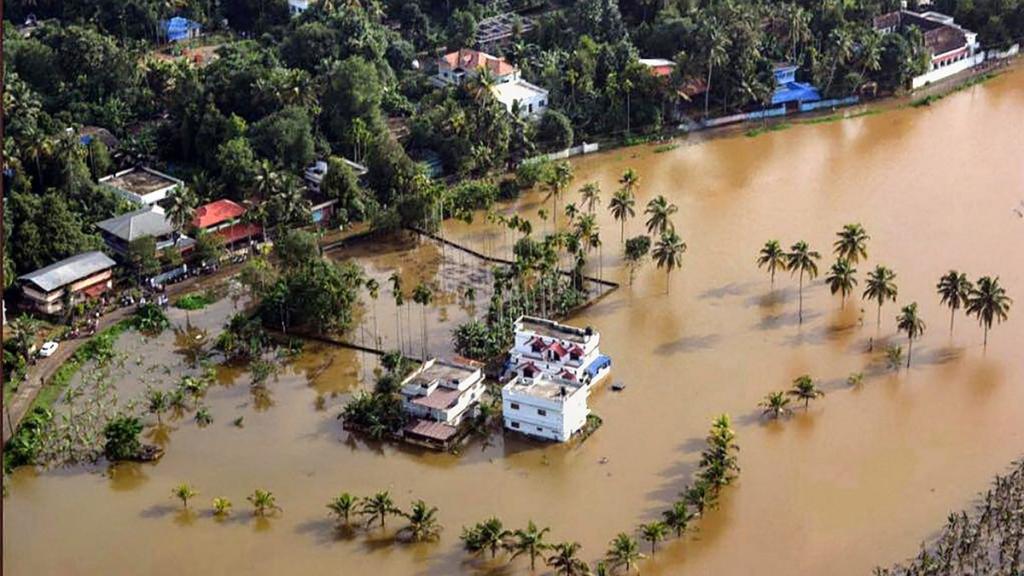
Scientific evidence shows that the Earth’s climate is warming at an unprecedented rate due to human activities, particularly the burning of fossil fuels. According to NASA, 2023 was the hottest year on record, and the last decade has seen extreme weather events intensify globally. These crises—heatwaves, floods, wildfires, and storms—are no longer rare occurrences but seasonal realities. For today’s youth, climate change is not a distant academic topic but a lived experience.
In developing countries, students often walk through smog-choked streets to reach school, while in coastal regions, families are displaced due to rising sea levels. The consequences of climate change are personal, urgent, and unavoidable. Yet, many students are still unaware of how their everyday actions—from energy use to food consumption—affect the environment. This disconnect stems from a major gap in school education.
Why Schools Matter
Schools shape the mindsets, values, and behaviors of future generations. They are not just places for academic learning but powerful platforms for social transformation. Integrating environmental literacy into school curricula ensures that students grow up with an understanding of ecological balance, climate systems, and sustainable living.
More importantly, it helps build a sense of responsibility and agency. When children understand how ecosystems work, why biodiversity matters, or how climate justice relates to inequality, they are better equipped to act, innovate, and lead change. Environmental education can be the starting point for a generation that not only cares about the Earth but knows how to protect it.
Beyond Facts: Building Critical Thinkers
Environmental literacy goes beyond memorizing the carbon cycle or listing renewable energy sources. It’s about fostering critical thinking, empathy for nature, and the ability to solve real-world problems. For example, project-based learning—like starting a school garden, conducting waste audits, or analyzing local water quality—makes students active participants in environmental protection.
Such hands-on experiences cultivate curiosity and confidence. Students learn to ask questions like: How can we reduce plastic use in our school? What local species are endangered? How can we make our campus greener? These are not just academic questions—they are seeds of lifelong stewardship.
The Role of Technology and Innovation
Today’s youth are digital natives. Their relationship with technology offers an exciting opportunity to scale environmental learning. From climate simulation games and augmented reality ecosystems to online sustainability courses and green coding challenges, the tools are endless.
Students can use apps to track their carbon footprint, join global virtual summits, or even build tech solutions—like solar-powered gadgets or clean water filters. By combining climate science with digital literacy, schools can empower students to not just learn about the crisis but also innovate solutions.
Environmental Literacy as a Right
The United Nations recognizes education as a fundamental human right—and in today’s context, that includes education about climate and the environment. Article 12 of the Paris Agreement urges countries to promote climate education, training, and awareness at all levels. Yet, according to UNESCO, fewer than half of national education policies mention climate change at all.
For many young people, this is a silent injustice. They face the brunt of environmental degradation yet are often denied the knowledge needed to navigate or mitigate its effects. Making environmental literacy mandatory in schools is not a luxury—it is a necessity for justice, equity, and long-term survival.
Youth-Led Movements Are Already Leading
Despite gaps in formal education, young people are stepping up. Movements like Fridays for Future, initiated by Greta Thunberg, have mobilized millions of students across the globe. Youth-led initiatives are cleaning rivers, planting trees, creating awareness campaigns, and pressuring governments to act.
But imagine the power of these movements if every student had strong environmental education backing them. Schools can serve as launchpads for such leadership—incubating climate clubs, innovation hubs, and green entrepreneurship programs. With proper support, young people can become not just protesters, but problem-solvers and policymakers.
Breaking Socioeconomic Barriers
Environmental education also bridges inequalities. Often, climate change worsens the struggles of the poor, marginalized, and indigenous communities. By introducing environmental literacy in every school—from elite urban institutions to rural classrooms—we ensure that knowledge isn’t a privilege, but a right.
When a child in a village learns to harvest rainwater or compost kitchen waste, they’re gaining life skills that can uplift their entire community. It’s about democratizing access to climate knowledge—and giving every young person, regardless of background, a voice in shaping our shared future.
Conclusion: A Curriculum for the Planet
The climate crisis is not waiting for permission. It doesn’t care if we are ready. And it certainly won’t graduate. That’s why environmental literacy cannot be postponed—it must begin in school, early, and everywhere. Through a well-designed curriculum that combines science, empathy, innovation, and activism, we can prepare young people not just to survive the future, but to shape it.
Let us not teach about the world as it was. Let us teach the world that must be. Because in the classroom of tomorrow, the most important subject is the Earth itself.
By: Prakhar Bansal
Write and Win: Participate in Creative writing Contest & International Essay Contest and win fabulous prizes.
About the Author