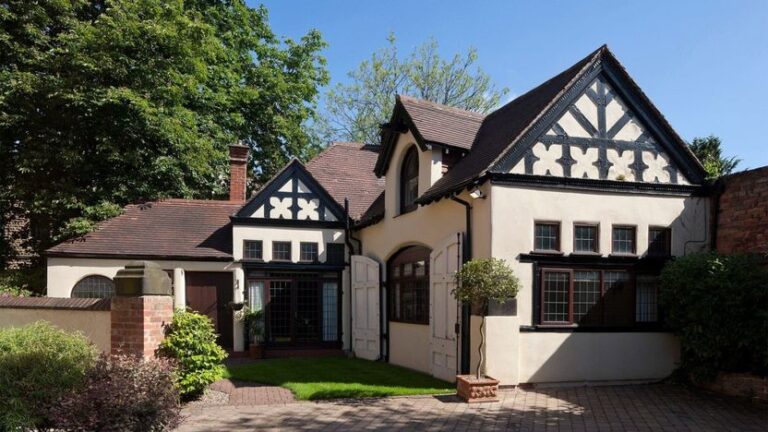
Integrating nature into urban environments represents one of the most promising approaches to sustainable development. Nature—led designs—spaces that connect occupants with the natural world—offer a compelling framework for creating healthier, more sustainable infrastructure. This design philosophy extends beyond aesthetics, embodying principles that foster genuine connections between people and nature within built environments.
Research demonstrates that exposure to natural elements improves cognitive function, reduces stress, and enhances well-being. As cities expand, incorporating these design principles becomes increasingly vital for developing infrastructure that serves ecological and human needs. The following explores how biophilic architecture provides a comprehensive framework for developing greener infrastructure across various sectors and scales.
Fundamental Principles of Biophilic Design
Biophilic design operates on the premise that humans possess an innate connection to nature. This approach incorporates direct experiences of nature (plants, water, sunlight), indirect references (natural materials, patterns), and spatial characteristics that mimic natural environments. These elements work together to create spaces that resonate with occupants on multiple sensory levels.
Successful implementation balances several key components: visual connections with nature, non-visual sensory experiences, thermal variability, presence of water, dynamic lighting, and biomorphic forms. When thoughtfully integrated, these features create environments that feel alive and responsive rather than static and artificial.
Biophilic Infrastructure in Urban Planning
Urban centres present unique challenges and opportunities for implementing bio architecture. Green corridors, living walls, and pocket parks represent tangible applications of these principles at the city scale. Many iconic architectural designs exemplifies this approach, with its iconic nature inspired designs serving as vertical gardens that collect rainwater, generate solar power, and provide habitat for diverse plant species.
Green roofs moderate urban heat island effects while managing stormwater runoff. Street-level plantings improve air quality and create pedestrian-friendly environments. These concepts benefit even transportation infrastructure, with green bridges and biodiverse corridors helping reconnect fragmented ecosystems.
Economic Benefits of Nature-Integrated Design
The economic case for nature-led design continues to strengthen as research quantifies its benefits. Buildings designed with these principles regularly demonstrate increased property values, higher occupancy rates, and reduced operating costs. Retail environments incorporating natural elements report higher sales figures compared to conventional spaces.
From a public infrastructure perspective, nature-integrated design delivers substantial returns on investment through reduced healthcare costs, increased productivity, and decreased absenteeism. Hospital patients with views of nature typically require shorter stays and less pain medication than those without. Office workers in environments with natural lighting demonstrate improved concentration and fewer sick days.
Technological Integration and Innovation
Modern technology enhances the implementation and effectiveness of biophilic design. Building information modelling allows designers to optimise the natural light penetration and ventilation patterns. Innovative systems regulate indoor climate conditions to maintain comfort while minimizing energy consumption. Advanced materials mimic natural processes, such as self-cleaning surfaces inspired by lotus leaves.
Implementation strategies include:
- Water purification and rainwater harvesting systems
- Advanced air filtration utilising plants and microorganisms
- Renewable energy generation integrated into building facades
- Dynamic shading systems responding to solar patterns
- Biomimetic structural solutions reduce material usage
These innovations transform structures from passive consumers of resources into active contributors to environmental health.
Implementation Strategies Across Scales
Successful implementation requires interdisciplinary collaboration, including architecture, landscape design, engineering, ecology, and public health. This integrative approach ensures natural elements serve multiple functions rather than existing as mere decorative features.
The application varies significantly depending on the context—from dense urban centres to suburban developments.
In existing built environments, retrofitting strategies might include adding green roofs, creating pocket parks, or introducing water features. Comprehensive planning can incorporate natural systems from the initial design phase for new developments. The most successful projects consider local ecosystems, climate conditions, and cultural factors. Rather than imposing generic solutions, thoughtful biophilic architecture responds to specific place-based characteristics, enhancing regional identity while supporting native biodiversity.
Building Resilient Communities Through Natural Design
The transition toward greener infrastructure demands frameworks that address complex, interconnected challenges. Nature-led designs offer precisely such a framework—one that recognises the fundamental relationship between human well-being and environmental health. By designing infrastructure that mimics and incorporates natural systems, communities create resilient environments capable of adapting to climate change while supporting public health.
As awareness grows regarding the benefits of nature-integrated design, demand for buildings and infrastructure embodying these principles increases. Forward-thinking municipalities, developers, and institutions recognise this approach not as a luxury but as an essential strategy for creating sustainable, livable communities for future generations.
The transition toward greener infrastructure demands frameworks that address complex environmental challenges while enhancing human experiences within built environments. Biophilic architecture offers precisely such a framework, recognising the essential relationship between ecological and human well-being. As awareness of these benefits grows, forward-thinking communities increasingly embrace nature-integrated design not as a luxury but as a fundamental approach to creating resilient, sustainable, and vibrant places where people and natural systems can flourish.
Biophilic Architecture as a Framework for Greener Infrastructure
Integrating nature into urban environments represents one of the most promising approaches to sustainable development. Nature—led designs—spaces that connect occupants with the natural world—offer a compelling framework for creating healthier, more sustainable infrastructure. This design philosophy extends beyond aesthetics, embodying principles that foster genuine connections between people and nature within built environments.
Research demonstrates that exposure to natural elements improves cognitive function, reduces stress, and enhances well-being. As cities expand, incorporating these design principles becomes increasingly vital for developing infrastructure that serves ecological and human needs. The following explores how biophilic architecture provides a comprehensive framework for developing greener infrastructure across various sectors and scales.
Fundamental Principles of Biophilic Design
Biophilic design operates on the premise that humans possess an innate connection to nature. This approach incorporates direct experiences of nature (plants, water, sunlight), indirect references (natural materials, patterns), and spatial characteristics that mimic natural environments. These elements work together to create spaces that resonate with occupants on multiple sensory levels.
Successful implementation balances several key components: visual connections with nature, non-visual sensory experiences, thermal variability, presence of water, dynamic lighting, and biomorphic forms. When thoughtfully integrated, these features create environments that feel alive and responsive rather than static and artificial.
Biophilic Infrastructure in Urban Planning
Urban centres present unique challenges and opportunities for implementing bio architecture. Green corridors, living walls, and pocket parks represent tangible applications of these principles at the city scale. Many iconic architectural designs exemplifies this approach, with its iconic nature inspired designs serving as vertical gardens that collect rainwater, generate solar power, and provide habitat for diverse plant species.
Green roofs moderate urban heat island effects while managing stormwater runoff. Street-level plantings improve air quality and create pedestrian-friendly environments. These concepts benefit even transportation infrastructure, with green bridges and biodiverse corridors helping reconnect fragmented ecosystems.
Economic Benefits of Nature-Integrated Design
The economic case for nature-led design continues to strengthen as research quantifies its benefits. Buildings designed with these principles regularly demonstrate increased property values, higher occupancy rates, and reduced operating costs. Retail environments incorporating natural elements report higher sales figures compared to conventional spaces.
From a public infrastructure perspective, nature-integrated design delivers substantial returns on investment through reduced healthcare costs, increased productivity, and decreased absenteeism. Hospital patients with views of nature typically require shorter stays and less pain medication than those without. Office workers in environments with natural lighting demonstrate improved concentration and fewer sick days.
Technological Integration and Innovation
Modern technology enhances the implementation and effectiveness of biophilic design. Building information modelling allows designers to optimise the natural light penetration and ventilation patterns. Innovative systems regulate indoor climate conditions to maintain comfort while minimizing energy consumption. Advanced materials mimic natural processes, such as self-cleaning surfaces inspired by lotus leaves.
Implementation strategies include:
- Water purification and rainwater harvesting systems
- Advanced air filtration utilising plants and microorganisms
- Renewable energy generation integrated into building facades
- Dynamic shading systems responding to solar patterns
- Biomimetic structural solutions reduce material usage
These innovations transform structures from passive consumers of resources into active contributors to environmental health.
Implementation Strategies Across Scales
Successful implementation requires interdisciplinary collaboration, including architecture, landscape design, engineering, ecology, and public health. This integrative approach ensures natural elements serve multiple functions rather than existing as mere decorative features.
The application varies significantly depending on the context—from dense urban centres to suburban developments.
In existing built environments, retrofitting strategies might include adding green roofs, creating pocket parks, or introducing water features. Comprehensive planning can incorporate natural systems from the initial design phase for new developments. The most successful projects consider local ecosystems, climate conditions, and cultural factors. Rather than imposing generic solutions, thoughtful biophilic architecture responds to specific place-based characteristics, enhancing regional identity while supporting native biodiversity.
Building Resilient Communities Through Natural Design
The transition toward greener infrastructure demands frameworks that address complex, interconnected challenges. Nature-led designs offer precisely such a framework—one that recognises the fundamental relationship between human well-being and environmental health. By designing infrastructure that mimics and incorporates natural systems, communities create resilient environments capable of adapting to climate change while supporting public health.
As awareness grows regarding the benefits of nature-integrated design, demand for buildings and infrastructure embodying these principles increases. Forward-thinking municipalities, developers, and institutions recognise this approach not as a luxury but as an essential strategy for creating sustainable, livable communities for future generations.
The transition toward greener infrastructure demands frameworks that address complex environmental challenges while enhancing human experiences within built environments. Biophilic architecture offers precisely such a framework, recognising the essential relationship between ecological and human well-being. As awareness of these benefits grows, forward-thinking communities increasingly embrace nature-integrated design not as a luxury but as a fundamental approach to creating resilient, sustainable, and vibrant places where people and natural systems can flourish.
Write and Win: Participate in Creative writing Contest & International Essay Contest and win fabulous prizes.
About the Author