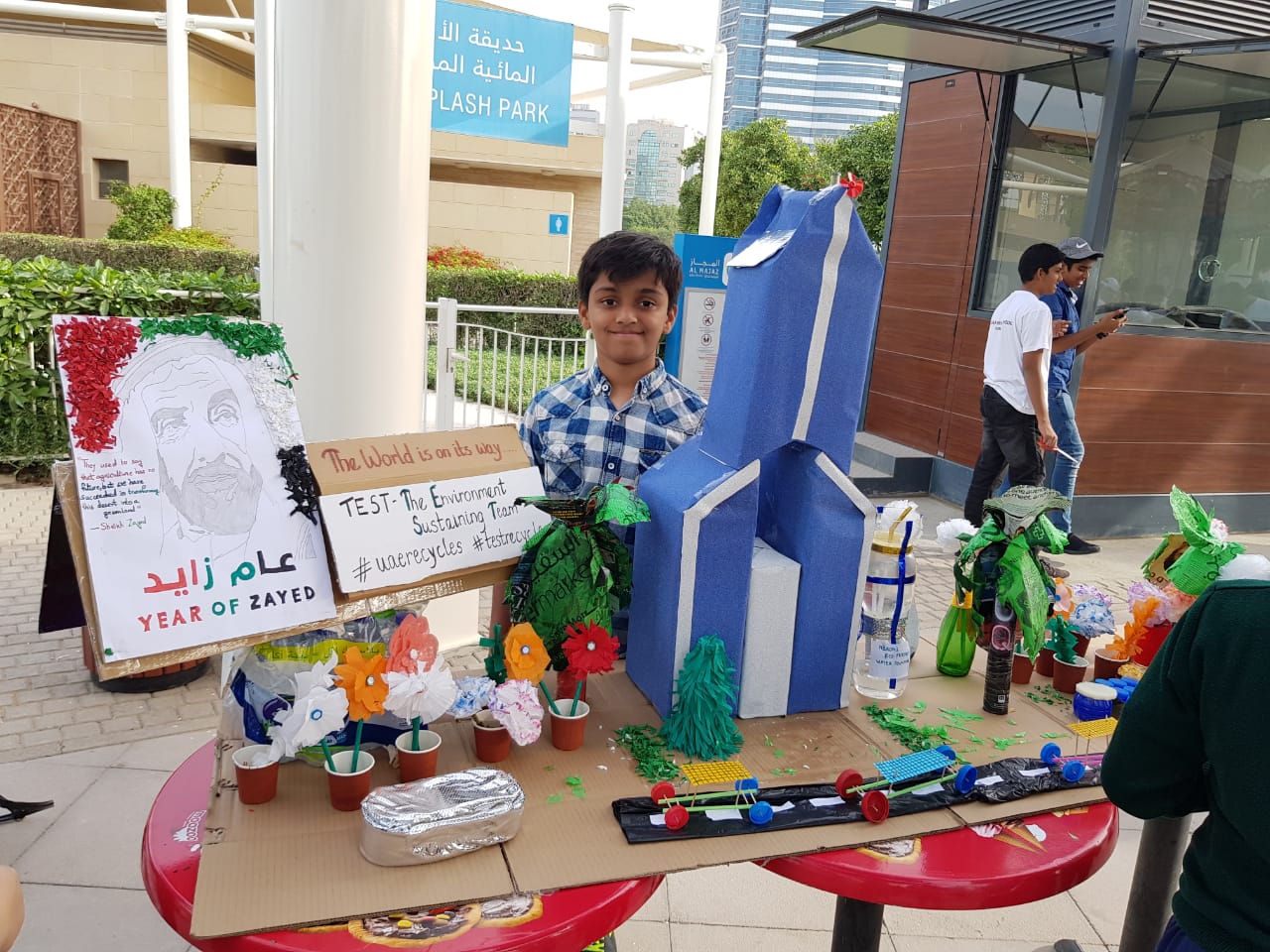
recycling Cleanup campaigns and recycling projects
The environmental crisis is no longer a looming threat—it is our present reality. Rising global temperatures, deforestation, plastic-choked oceans, and vanishing species paint a grim picture of a planet in distress. For decades, the burden of environmental responsibility has been placed on individuals: recycle more, use less water, switch off lights. While these actions are commendable, they are woefully inadequate against the tidal wave of industrial pollution and systemic inaction that drives ecological collapse. Today’s youth, inheriting this crisis, are refusing to accept symbolic gestures as solutions. They are rising up, not with recycling bins, but with protests, lawsuits, and innovative campaigns demanding fundamental change. This movement recognizes that saving the planet requires dismantling harmful systems, not just adjusting personal habits.
The myth of individual responsibility has long obscured the true drivers of environmental destruction. Consider that just one hundred companies are responsible for seventy-one percent of global carbon emissions since 1988. An individual could spend a lifetime meticulously avoiding plastic and still not offset a single hour’s worth of industrial pollution. Corporations tout their sustainability initiatives while continuing destructive practices, a sleight of hand known as greenwashing. Fast fashion brands, for instance, promote clothing recycling programs even as they produce billions of garments annually, most destined for landfills or incinerators. Meanwhile, governments pour trillions into fossil fuel subsidies while dragging their feet on renewable energy investments. The message is clear: no amount of personal virtue can compensate for broken systems.
Faced with this reality, young activists are rewriting the rules of environmentalism. They understand that polite requests for change are no longer enough—disruption is necessary. This realization has given birth to a global uprising, with youth at its heart. The movement began in earnest in 2018, when then-fifteen-year-old Greta Thunberg sat alone outside the Swedish parliament with a hand-painted sign reading “School Strike for Climate.” Her solitary protest ignited a fire that spread worldwide. Soon, millions of students were walking out of classrooms, flooding city streets, and demanding action. These strikes, organized under the banner of Fridays for Future, have become the largest environmental protests in history, with over fourteen million participants across seven thousand five hundred cities.
But the youth movement extends far beyond street demonstrations. Recognizing that power responds to pressure, young activists are employing every tool at their disposal. In courtrooms, they are filing groundbreaking lawsuits that frame climate inaction as a violation of human rights. The case of Juliana v. United States, brought by twenty-one young plaintiffs, argues that the U.S. government’s failure to address climate change infringes on their constitutional rights to life and liberty. Similar cases have emerged worldwide, from Germany to Colombia, with courts increasingly ruling in favor of the youth plaintiffs. These legal battles are not just symbolic; they are forcing governments to revise inadequate climate policies and set more ambitious targets.
Simultaneously, young people are leveraging digital platforms to bypass traditional media gatekeepers and take their message directly to the masses. On TikTok, Instagram, and Twitter, climate content has gone viral, with hashtags like #ClimateEmergency amassing billions of views. This digital activism has democratized environmental advocacy, allowing anyone with a smartphone to participate in the movement. Young creators are using these platforms to expose greenwashing, explain complex climate science in accessible ways, and organize decentralized campaigns that keep the pressure on policymakers and corporations.
The solutions demanded by youth activists are as systemic as the problems they address. They call for a rapid transition from fossil fuels to renewable energy, with investments in solar, wind, and geothermal power replacing subsidies for oil and gas. They advocate for circular economies that design waste out of production systems entirely, moving beyond recycling to eliminate disposable culture. In agriculture, they push for regenerative practices that restore soil health and biodiversity rather than deplete it. Perhaps most crucially, they insist on climate justice—recognizing that the poorest communities, often least responsible for emissions, bear the brunt of environmental degradation and must be central to solutions.
This movement represents more than protest; it is a reimagining of humanity’s relationship with the natural world. Young activists understand that environmentalism cannot be a side issue—it must become the lens through which we evaluate every policy, every business model, every aspect of society. Their message is both urgent and hopeful: another world is possible, but only if we have the courage to build it. The time for incremental change has passed. What remains is the choice between continued collapse or systemic transformation—and youth worldwide are making their answer clear through action.
By: LIM LE XUAN
Write and Win: Participate in Creative writing Contest & International Essay Contest and win fabulous prizes.
About the Author