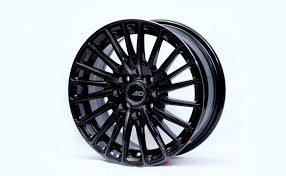
Wheels speak louder than nearly any other part of a vehicle. They frame the body, set its stance, and send a message long before the paint or grille catches notice. The finish chosen does more than shine—it controls how dust settles, how scratches reveal themselves, and how well the rims hold their form against salt, gravel, or curbs.
The choice is less cosmetic than practical. Gloss intensifies light and exaggerates every curve, while matte softens reflections but highlights scuffs. Textured finishes thrive on rugged terrain yet complicate touch-ups. Each option reshapes how much time you’ll spend cleaning, how repairs play out, and even how resale looks years down the road.
Finish Types and What They Offer
Gloss black wheels command attention, throwing sharp reflections across body lines and delivering a mirror-like gleam. That brilliance comes with vigilance: brake dust, chips, and water spots stand out immediately. Consistent cleaning with pH-neutral shampoos and soft brushes maintains clarity, while common touch-up kits make surface blemishes easier to manage.
Matte wheels lean toward subtlety, scattering light into a muted, uniform surface. They resist showing dust from afar yet reveal scuffs and fingerprints at close range. Only matte-specific sprays maintain the finish, since wax or polish disrupts the texture. Textured coatings add rugged durability, deflecting gravel and camouflaging chips, though blending repairs into their grain is rarely seamless.
Cleaning and Care Expectations
Gloss rims reward gentle care. Mild, non-abrasive cleaners paired with microfiber or lambswool tools remove dust without scratching, while acidic sprays and stiff brushes create quick damage. Frequent, soft attention preserves their reflective depth. Matte wheels demand more precision: traditional waxes and polishes leave uneven shine, so flat-safe sprays become essential for lifting oils and fingerprints.
Textured wheels bring their own challenges. Deep pockets and ridges trap grit, requiring low-pressure rinses to dislodge debris before brushing. Soft bristles prevent abrasion, while distance rinsing around three feet reduces grit-driven scratches. Across every finish, routine brake dust removal prevents long-term staining, keeping wheels consistent in tone and feel through seasonal driving.
Durability in Different Environments
Driving conditions reveal how well finishes hold up under pressure. Gloss shows every chip and scrape when gravel or curbs strike, opening paths for rust in salty or humid climates. Touch-up paints and clearcoats fix isolated blemishes, though frequent repairs can create subtle mismatches. Matte holds evenness under controlled care but loses uniformity with abrasive automatic washes, where stiff brushes carve shiny streaks into the surface.
Textured coatings excel in harsher environments, shrugging off grit, mud, and trail impacts. They require seasonal rinses and winter-safe de-icers to prevent salts from embedding into the grain. A wax-free sealant twice a year adds an extra layer of defense, extending finish longevity across tough climates.
Matching Finishes With Vehicle Design and Purpose
Wheel finishes shape more than style; they influence how a vehicle reads on the road. Gloss rims sharpen panel lines and reflect surrounding light, giving coupes or sedans a dramatic, showroom polish. Matte softens visual edges, suiting trucks and SUVs that benefit from a bolder, grounded presence. Textured coatings emphasize utility, diffusing rock strikes and masking chips that would otherwise draw the eye.
Purpose adds another layer. Gloss flatters curves but raises cleaning demands, especially on low-slung sports cars. Matte downplays grime yet resists polishing, leaving only specialty cleaners to keep balance. Off-road builds thrive on textured finishes, which take impacts in stride but complicate blending when individual wheels need replacement.
Buying Considerations Beyond Appearance
The long-term cost of a wheel finish often shows up during repairs. Gloss dominates inventories, making single replacements faster and cheaper for fleets or daily drivers. Matte demands higher upkeep, with specialty cleaners and occasional professional touch-ups adding to yearly bills. Textured wheels resist impact well, but swapping just one rim often leaves mismatched grain or sheen, complicating replacements.
Planning helps control these costs. Storing clear photographs, vendor details, and finish codes with service records makes future swaps easier. Fleets lean toward gloss for accessibility, while enthusiasts balance individuality against convenience. Looking past sticker price reveals hidden factors—downtime, sourcing delays, and repair complexity—all shaping ownership in the long run.
Choosing a wheel finish is less about appearance than about rhythm—how often you wash, how harsh the roads become, and how easily repairs slide into your routine. Gloss amplifies body lines and reflections but makes upkeep constant. Matte quiets glare while projecting understated strength, though it resists standard care. Textured coatings handle punishment from gravel, salt, and trails, yet patch repairs rarely disappear. Across every finish, the lasting choice reflects daily living as much as design. Your wheels become a companion in maintenance and cost, shaping presence long after the first gleam fades from the pavement.
About the Author