Event security is essential today, especially for concerts and large gatherings. Organizers must ensure safety while providing a smooth experience for attendees. As technology advances, new solutions are making security more efficient and less intrusive. This is a great time for event managers to explore these innovations.
Here are some ways to use new technology to improve event security.
Access Control Innovations
Access control systems are changing how events manage entry points. Instead of traditional tickets, many events now use biometric systems that recognize fingerprints or faces. This speeds up entry and ensures only authorized individuals can enter certain areas. Attendees can move through gates easily, while security staff monitor everything in real time.
RFID technology is also becoming popular. With RFID wristbands, event planners can track attendees and behaviour. This helps manage crowd dynamics and create a safer environment. If organizers need to redirect people or manage large crowds, technology helps them act quickly, reducing risks and improving the experience.
Smart Surveillance Systems
Cameras have improved significantly. Today, smart surveillance systems use AI to identify unusual behaviour and detect potential threats in crowded places. These systems provide constant monitoring and analyze data patterns to help security teams respond quickly.
For example, security personnel can receive alerts about suspicious activities within seconds. The combination of real-time analytics and high-quality imaging ensures that no important details are missed. In emergencies, this technology allows for faster responses, keeping everyone safe without disrupting the event.
Weapons Detection Systems
A major advancement in event security is weapons detection systems. These systems quickly and non-invasively identify potential threats at entrances. Using advanced imaging and AI, they can accurately find various objects without slowing down entry.
These systems blend seamlessly into the event environment. Attendees feel safer knowing that proactive measures are in place to protect them, while organizers can still create a welcoming atmosphere. This technology modernizes security methods, balancing safety with a positive event experience.
Mobile Security Tools
Smartphones are now essential in our lives, especially for event security. Mobile security apps help event organizers and security staff communicate quickly. If a security officer sees a problem, they can alert their team right away through the app, keeping everyone informed and ready to act.
These apps also include tools for reporting incidents and capturing video evidence, which increases accountability and strengthens the security plan. Attendees can also use these mobile apps to raise concerns or report suspicious activity, fostering a sense of community and shared responsibility for safety. This approach helps everyone feel involved and empowered to maintain security.
Crowd Management Solutions
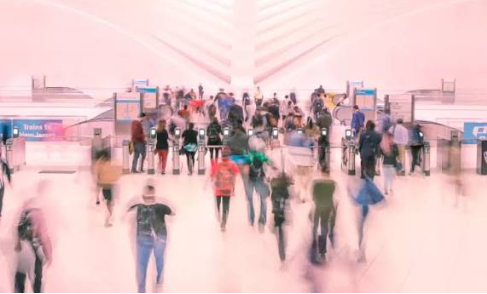
Effectively managing large crowds requires smart strategies. Real-time crowd management tools allow event organizers to use data to track how many people are in different areas. If a section becomes too crowded, they can quickly make changes to ensure safety and comfort.
AI weapons screening and queue management systems are becoming popular. They provide attendees with real-time updates on wait times, helping them decide when to visit busy areas. By combining technology with practical solutions, events can create a more enjoyable experience while ensuring safety.
Drones in Event Security
Drones are an exciting addition to security at larger events. With high-definition cameras, drones can provide a bird’s-eye view of the venue, allowing security teams to spot unusual activity from above. This aerial view is especially useful in emergencies, helping identify crowd locations and exit locations.
Drones can also deliver supplies or messages to hard-to-reach areas, improving communication and support. As drone technology advances, their role in event security will likely grow stronger and more sophisticated. Using these technologies in event security not only enhances safety but also improves the overall attendee experience. By embracing these innovations, event organizers can help guests focus on what matters most.
Using Data Analytics for Better Event Security
Data analytics is becoming more important for event security. By looking at patterns from past events, organizers can spot potential risks and find ways to reduce them. For example, data can show when crowds are likely to be largest, helping security teams plan resources more effectively.
After an event, analyzing the data can highlight any issues that occurred. This feedback helps planners improve future events. This approach not only boosts security but also improves the attendee experience by letting organizers make decisions based on real behaviours and needs.
Engaging Attendees in Security Awareness
Creating a culture of security awareness among attendees is essential. When people understand safety protocols, they can play an active role in their own safety and others’. Organizers can offer training sessions, informational videos, or interactive apps to teach attendees about emergency procedures and how to report suspicious activities.
Encouraging shared responsibility can improve event safety. When attendees are informed and watchful, it helps create a safer environment. This engagement builds trust and ensures everyone feels important in keeping the event safe and enjoyable.
Write and Win: Participate in Creative writing Contest & International Essay Contest and win fabulous prizes.
About the Author