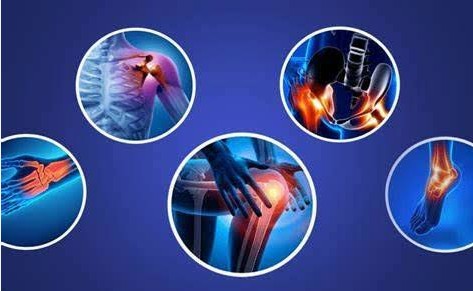
A sports injury can affect muscles, bones, ligaments, tendons, or joints during exercise, training, or recreational activities. While some injuries heal with rest and conservative care, others require medical assessment and structured rehabilitation. Understanding sports injury recovery helps patients know what to expect during healing, recognise when additional treatment may be needed, and return to activity as safely as possible.
What Is Sports Injury Recovery?
Sports injury recovery is the process of healing and regaining strength, flexibility, function, and confidence after an injury. Recovery begins immediately after the injury occurs and continues until a person can safely return to their usual activities or sport.
The recovery process varies depending on the type and severity of the injury, as well as factors such as age, overall health, and adherence to rehabilitation.
Recovery may involve:
- Resting the injured area during the early stages of healing
- Reducing pain and inflammation through appropriate treatment
- Restoring joint movement and muscle flexibility
- Rebuilding strength, balance, and coordination
- Gradually returning to sports or physical activity under medical guidance
Why Is It Important?
Returning to physical activity too soon may increase the risk of re-injury or delay healing. Following an appropriate rehabilitation plan allows injured tissues to recover while improving overall function.
Proper sports injury recovery may help:
- Promote tissue healing
- Restore normal movement and flexibility
- Improve muscle strength and stability
- Reduce the risk of recurring injuries
- Support a safer return to exercise or sports
Recovery is not only about relieving pain but also restoring the body’s ability to perform everyday and sporting activities.
Who Should Consider a Structured Recovery Programme?
Many people benefit from a structured recovery plan, particularly if an injury affects daily activities or athletic performance.
You may benefit from supervised sports injury recovery if you:
- Have sustained a ligament, tendon, or muscle injury
- Experience persistent pain after a sporting activity
- Have undergone surgery following a sports injury
- Continue to have swelling or reduced mobility
- Have difficulty returning to your previous activity level
- Experience repeated injuries affecting the same body part
Even recreational athletes may benefit from rehabilitation that is tailored to their activity level and recovery goals.
Who Should Seek Medical Advice First?
Before beginning rehabilitation, some individuals should undergo a medical assessment to ensure that recovery can proceed safely.
You should seek medical advice if you:
- Suspect a fracture or joint dislocation
- Have severe swelling or significant bruising
- Cannot bear weight after the injury
- Experience numbness or weakness
- Have an open wound associated with the injury
- Have chronic medical conditions that may affect healing, such as diabetes or osteoporosis
Medical assessment can help determine whether imaging, further investigation, or specialist treatment is required before rehabilitation begins.
What Treatment or Management Options Are Available?
Recovery plans are individualised according to the injury, symptoms, and activity goals. Many sports injuries improve with conservative treatment, although surgery may be appropriate for selected conditions.
Treatment options may include:
- Rest and activity modification: Temporarily reducing activities that aggravate the injury allows damaged tissues time to heal.
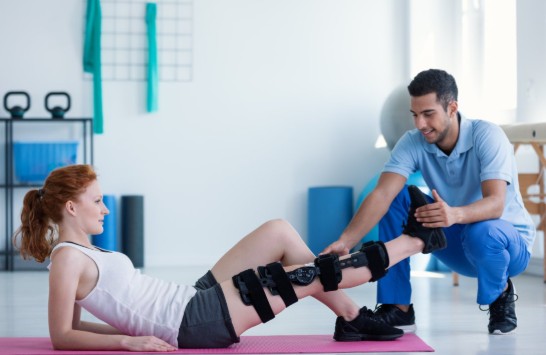
- Physiotherapy: Guided exercises help improve flexibility, strength, balance, coordination, and movement patterns throughout recovery.
- Medication: Pain-relieving or anti-inflammatory medication may be recommended to manage discomfort when appropriate.
- Bracing or supportive devices: Splints, braces, or crutches may help protect the injured area during healing.
- Surgery: Certain fractures, ligament tears, tendon ruptures, or joint injuries may require surgical treatment followed by rehabilitation.
Your healthcare provider will recommend a treatment plan based on your diagnosis, functional needs, and recovery progress.
How Should You Prepare?
Preparation for rehabilitation is usually straightforward. Before your appointment, it may be helpful to:
- Bring previous X-rays, MRI scans, or other imaging reports
- Wear comfortable clothing that allows movement
- Prepare a list of medications
- Note when the injury occurred and how it happened
- Record activities that worsen or improve your symptoms
- Prepare questions about your recovery timeline and rehabilitation programme
Having this information available can assist your healthcare provider in developing an appropriate treatment plan.
What Happens During Sports Injury Recovery?
Recovery usually progresses through several stages rather than following a fixed timeline.
Initially, treatment focuses on reducing pain, swelling, and protecting the injured area. As healing progresses, rehabilitation exercises are gradually introduced to improve flexibility and restore movement.
Once pain has improved, strengthening exercises become more intensive to rebuild muscle function and joint stability. Balance, coordination, and sport-specific movements are then introduced before returning to training or competition.
Regular follow-up appointments may be recommended to assess progress and adjust the rehabilitation programme as recovery continues.
Benefits, Risks, and Possible Side Effects
A structured rehabilitation programme aims to support safe recovery while helping patients regain confidence in movement.
Potential benefits include:
- Improved flexibility and mobility
- Better muscle strength and endurance
- Enhanced joint stability
- Reduced risk of recurrent injury
- Increased confidence when returning to activity
Possible considerations include:
- Temporary soreness after rehabilitation exercises
- Recovery timelines vary between individuals
- Progress may not always occur at the same pace
- More severe injuries may require prolonged rehabilitation
- Surgical recovery may involve additional restrictions and follow-up care
Following professional guidance may help reduce unnecessary setbacks during recovery.
What Our Orthopaedic Specialists Say
Patients often ask how long recovery will take after a sports injury. The answer depends on the type of injury, its severity, the treatment received, and the individual’s overall health. During consultation, we assess not only the injury itself but also strength, movement, and functional goals before recommending a rehabilitation plan. Recovery is typically a gradual process rather than a single milestone. We encourage patients to progress through rehabilitation at an appropriate pace while monitoring their symptoms, allowing treatment decisions to be adjusted as healing continues.
Putting This Into Practice
- Follow your rehabilitation programme consistently.
- Avoid returning to sports before medical clearance if advised.
- Gradually increase activity levels as symptoms improve.
- Perform strengthening and flexibility exercises regularly.
- Maintain good nutrition and adequate rest to support healing.
- Report new or worsening symptoms to your healthcare provider.
When to Seek Professional Help
Seek medical advice if you:
- Develop increasing pain or swelling during recovery.
- Cannot bear weight after the injury.
- Experience persistent joint instability.
- Notice numbness or weakness.
- Develop fever or signs of infection after surgery.
- Find that recovery has plateaued despite rehabilitation.
Frequently Asked Questions
How long does sports injury recovery usually take?
Recovery time depends on the injury, its severity, the treatment provided, and individual healing. Minor muscle strains may improve within weeks, while ligament injuries or fractures can require several months of rehabilitation. Your healthcare provider can provide a more personalised estimate based on your progress.
Can I exercise during sports injury recovery?
Yes, in many cases you can continue exercising, but the type and intensity of activity may need to be modified. Your rehabilitation programme is designed to protect the injured area while maintaining overall fitness. Following professional guidance helps reduce the risk of aggravating the injury.
Will I always need physiotherapy?
Not necessarily. Some minor injuries improve with simple home exercises and activity modification. However, physiotherapy is commonly recommended for more significant injuries, persistent symptoms, or after surgery because it helps restore strength, mobility, and function throughout sports injury recovery.
How do I know when I can return to sports?
Returning to sports should depend on your recovery rather than a fixed timeline. Your healthcare provider may assess pain levels, strength, flexibility, balance, and functional performance before advising that it is appropriate to resume training or competition.
Can a sports injury happen again after recovery?
Yes, re-injury can occur, particularly if rehabilitation is incomplete or activity resumes too quickly. Continuing strengthening exercises, maintaining flexibility, using proper technique, and following medical advice may help lower the risk of future injuries.
Next Steps
Recovering from a sports injury often requires patience, appropriate treatment, and a gradual return to activity. Every injury is different, and healing timelines can vary depending on the affected tissues and the individual’s overall health. Understanding the stages of sports injury recovery allows patients to participate actively in their rehabilitation while recognising when additional medical advice may be beneficial. If your symptoms persist, worsen, or you have concerns about your progress, consult a healthcare professional for an assessment and personalised guidance on the most appropriate next steps.
Write and Win: Participate in Creative writing Contest & International Essay Contest and win fabulous prizes.
About the Author